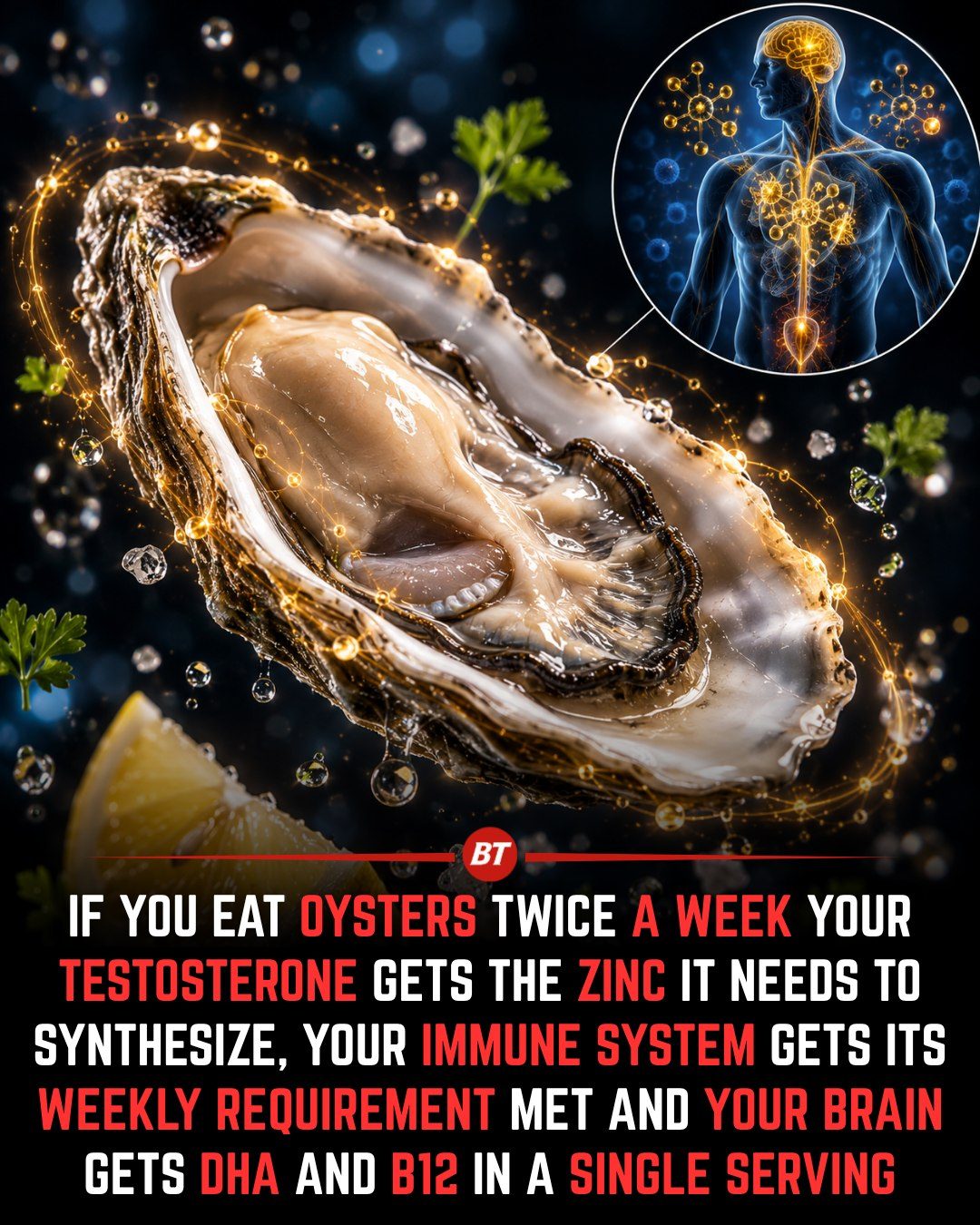
Oysters: The Nutrient-Packed Shellfish with Multifaceted Health Benefits
Oysters are a powerhouse of nutrition, packed with a variety of essential vitamins and minerals. They are often celebrated for their rich flavor and culinary versatility, but their nutritional profile is equally impressive. Let's dive into the compelling reasons why oysters should be a staple in a balanced diet.
Why This Matters: The Benefits of Oysters
Oysters are one of the few foods that offer a high concentration of essential nutrients in a single serving. They are particularly noted for their high zinc content, as well as significant amounts of vitamin B12, DHA, selenium, and various other nutrients. Incorporating oysters into your diet can contribute to better overall health in several key areas.
The Nutritional Value of Oysters
Zinc: Key to Multiple Physiological Functions
Oysters are the richest natural source of zinc on the planet. Zinc is vital for various physiological functions, including immune function, wound healing, and DNA synthesis. It also plays a crucial role in the production of reproductive hormones, including testosterone. Maintaining adequate zinc intake is particularly important as we age, as deficiencies can impact testosterone production and immune function. By consuming oysters, you can ensure that your body gets the zinc it needs to function optimally.
Vitamin B12: Supporting Brain Health and More
Oysters are exceptionally rich in vitamin B12, which is essential for healthy nerves and brain function. Vitamin B12 supports the production of red blood cells, ensuring that your body can transport oxygen efficiently. Including oysters in your diet can help meet the recommended daily intake of this important vitamin.
DHA and Selenium: Supporting Brain Health and Immune Function
Oysters naturally contain DHA, an omega-3 fatty acid that is a major structural component of the brain and retina. DHA is crucial for cognitive health and can support healthy brain development in children and prevent cognitive decline in adults. Additionally, oysters provide selenium, an antioxidant mineral that helps protect cells from oxidative stress. Selenium also supports healthy thyroid function, which is vital for metabolism and overall energy levels.
Protein, Iron, and Selenium: Building Blocks of Health
Oysters are also a good source of high-quality protein, which is essential for muscle growth and repair. They provide iron, which is crucial for the production of hemoglobin and the transport of oxygen in the blood. Selenium, another key nutrient in oysters, works as an antioxidant to protect cells from damage and supports immune function.
Research Support
The health benefits of oysters have been well-documented in scientific research. Studies published in reputable journals such as Nutrients, the American Journal of Clinical Nutrition, and the Journal of Trace Elements in Medicine and Biology have highlighted the importance of adequate zinc intake for maintaining normal testosterone production, supporting immune health, and promoting healthy metabolism. Diets rich in seafood, particularly those high in omega-3 fatty acids and minerals, have long been associated with better cardiovascular and cognitive health.
Practical Tips for Incorporating Oysters into Your Diet
Frequency and Preparation
Try to include oysters in your diet once or twice a week. They can be enjoyed fresh or cooked, and there are numerous delicious recipes to choose from. Some popular methods of preparation include:
- Raw: Fresh oysters are a classic choice, often served on the half-shell with a squeeze of lemon.
- Grilling: Grilled oysters can be topped with garlic butter, breadcrumbs, or other flavorful ingredients.
- Fried: Fried oysters are a crispy and satisfying option, often served with a dipping sauce.
- Rocé: Roasted oysters can be a flavorful dish. Topped with herbs and a splash of brandy or white wine.
Pairing with Other Nutrients
Oysters pair well with many other nutrient-rich foods. For example, pairing oysters with a side of greens or a vegetable dish can enhance the nutritional value of your meal. Additionally, combining oysters with other seafood dishes can provide a variety of beneficial fats and proteins.
Seasonality and Availability
Oysters are typically in season during the colder months, from September to April, but they can often be found year-round in many markets. When purchasing oysters, look for fresh, live oysters that are tightly closed or respond quickly when tapped. If you're not near a coastal area, look for reputable seafood markets or online retailers that specialize in delivering fresh seafood.
Important Takeaways
Oysters are a power-packed nutrient source that offer numerous health benefits. By incorporating oysters into your diet, you can support immune function, cognitive health, hormone production, and overall well-being. The zinc, vitamin B12, DHA, and selenium in oysters make them an excellent choice for maintaining a balanced and nutritious diet.
Remember to:
- Consume oysters once or twice a week for optimal nutrient intake.
- Enjoy them raw, grilled, fried, or roasted—the possibilities are endless.
- Pair with other nutritious foods to maximize the benefits.
- Look for fresh, high-quality oysters from reputable sources.
Conclusion
In summary, oysters are a nutrient-dense food that offers a wide range of health benefits. From supporting immune function and cognitive health to promoting hormone production, oysters are a valuable addition to any diet. By incorporating oysters into your weekly meals, you can enjoy a delicious and nutritious food that contributes to your overall health and well-being. If you haven't tried oysters yet, now is the perfect time to explore this versatile and nutrient-packed shellfish.
Watch the Reel
Questions readers ask
How do oysters support testosterone production?
Oysters are rich in zinc, a mineral that plays a crucial role in testosterone production. Consuming oysters can help maintain healthy zinc levels, which is beneficial for both reproductive health and overall well-being.
What role does vitamin B12 in oysters play in brain health?
Vitamin B12 is essential for maintaining optimal brain function. It supports the production of neurotransmitters and helps prevent cognitive decline. Regular consumption of oysters, which are high in vitamin B12, can contribute to better brain health and cognitive function.
How often should you consume oysters to reap their health benefits?
Incorporating oysters into your weekly diet can provide a range of health benefits. Aiming for a serving of oysters, about 3-6 oysters, one to two times a week can give you a boost of essential nutrients like zinc, vitamin B12, and omega-3 fatty acids, supporting overall health and immune function.
What makes oysters a good source of omega-3 fatty acids?
Oysters contain DHA, a type of omega-3 fatty acid that is crucial for heart and brain health. DHA helps reduce inflammation, supports cognitive function, and promotes a healthy cardiovascular system, making oysters a valuable addition to any diet.
How does the selenium in oysters benefit the body?
Selenium is a powerful antioxidant found in oysters that supports immune function and protects cells from damage. It also plays a role in thyroid function and reproductive health, making oysters a beneficial food for overall wellness.
Are there any specific health benefits associated with the zinc found in oysters?
The high levels of zinc in oysters support a healthy immune system and are vital for various physiological functions, including wound healing, protein synthesis, and DNA synthesis. Additionally, zinc is important for maintaining a healthy sense of taste and smell, which can be impacted by zinc deficiency.
Can eating oysters help boost the immune system?
Absolutely. Oysters contain a blend of nutrients, including zinc and selenium, that support a healthy immune system and help the body fight off infections. Regular consumption of oysters can bolster immune function and contribute to overall health and resilience.
Related deep dives
Similar reads based on topic and creator.




Recent articles
Fresh deep dives from the latest Reels we unpacked.




Comments
Be the first to comment.