Toxins Beyond the Plate: How Skin and Smell Impact Your Health
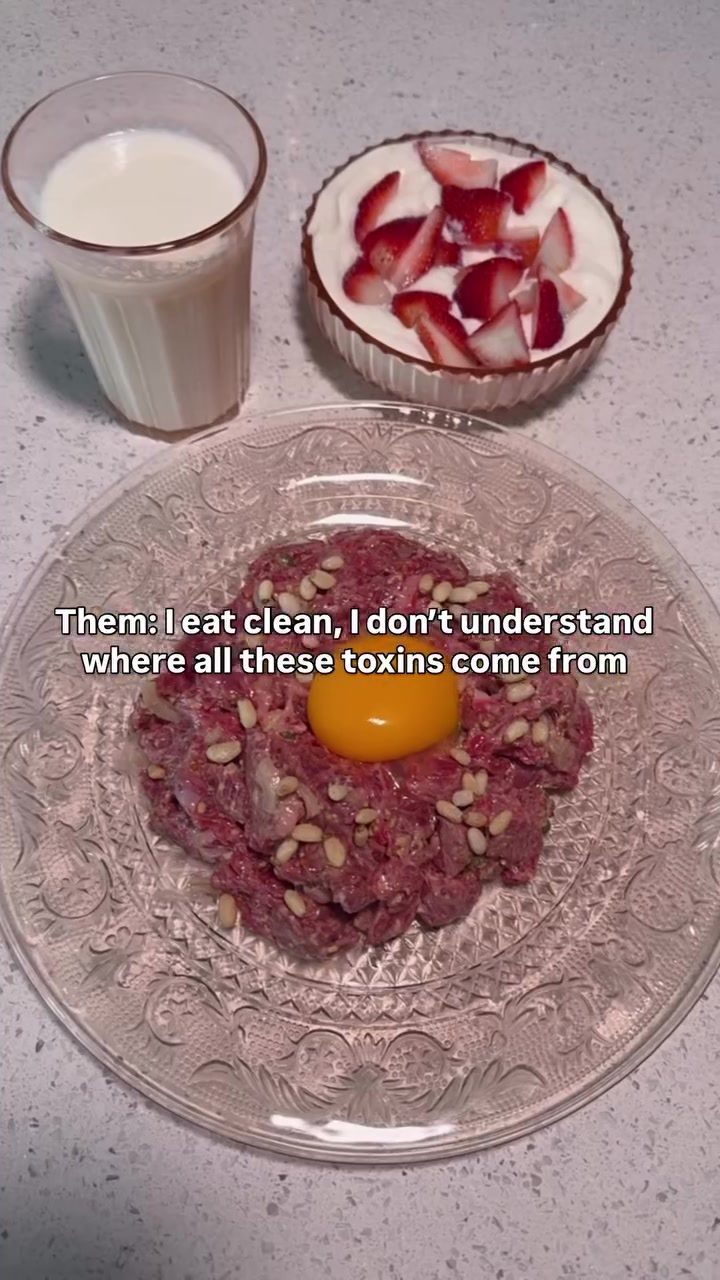
Eating clean is a great start, but it's only the beginning. A diet free from toxins helps, yet our bodies absorb harmful substances through our skin and olfactory system, sending them directly into the bloodstream for processing by the liver. This unseen exposure can lead to a range of health issues, including infertility, PCOS, hair loss, and weight gain. Understanding the impact of beauty and hair care products is crucial for a holistic approach to maintaining good health.
Context: Why this matters
Our skin is the body's largest organ and acts as a barrier against external threats. However, it is also highly absorbent, allowing chemicals from skincare and hair care products to penetrate deep into the skin and enter the bloodstream. Similarly, the olfactory system can absorb chemicals from scented products, which are then carried through the bloodstream. These chemicals, known as endocrine disruptors, can interfere with hormonal processes and lead to various health issues.
Endocrine Disruptors and Beauty Products
What are Endocrine Disruptors?
Endocrine disruptors are chemicals that interfere with the body's endocrine system, which regulates hormones. These chemicals can mimic, block, or otherwise interfere with the body's natural hormones. In the skin care and beauty industry, many products contain endocrine disruptors that can have long-term effects on human health. Some common endocrine disruptors found in beauty products include phthalates, parabens, and triclosan.
POND'S Facial Cream
POND'S Dry Skin Cream Facial Moisturizer is a popular choice for many, but it is important to check the ingredient list. Some facial creams, including certain moisturizers, contain endocrine disruptors. These chemicals can cause hormonal imbalances, leading to conditions like PCOS and infertility. Always look for products labeled as "non-toxic" or "endocrine-safe."
Garnier Fructis Hair Products
Garnier Fructis is a well-known brand for hair care products, offering a range of shampoos, conditioners, and serums. However, some Garnier Fructis products may contain chemicals like sulfates and fragrances that can disrupt the body's hormonal balance. Opt for sulfate-free and fragrance-free products to minimize exposure to potential endocrine disruptors.
The Role of Olfactory System
The olfactory system, or sense of smell, plays a crucial role in how we perceive our environment. It is also a pathway for chemicals to enter the body. Many scented products, from perfumes to air fresheners, contain volatile organic compounds (VOCs) that can be inhaled and absorbed into the bloodstream. These VOCs can cause respiratory issues and other health problems over time.
Practical Tips for Reducing Toxin Exposure
Check Product Labels
Always read the labels on skincare and hair care products. Look for products that are labeled as "non-toxic" or "endocrine-safe." Avoid products containing known endocrine disruptors like phthalates, parabens, and triclosan.
Opt for Natural Products
Natural and organic products are generally free from harmful chemicals. Look for products that are certified organic or made with natural ingredients. These products are less likely to contain endocrine disruptors and other harmful chemicals.
Limit Use of Scented Products
Scented products, including perfumes, air fresheners, and scented candles, can release VOCs into the air. Limit your use of these products and opt for unscented or naturally scented alternatives.
Important Takeaways
- Eating clean is just the beginning: A toxin-conscious diet is essential, but it's not enough. Our bodies absorb harmful substances through our skin and olfactory system, which can lead to various health issues.
- Endocrine disruptors are everywhere: Many beauty and hair care products contain endocrine disruptors, which can interfere with hormonal processes and lead to health problems.
- Check product labels: Always read the labels on skincare and hair care products. Look for products that are labeled as "non-toxic" or "endocrine-safe."
- Opt for natural products: Natural and organic products are generally free from harmful chemicals. Look for products that are certified organic or made with natural ingredients.
- Limit use of scented products: Scented products can release VOCs into the air. Limit your use of these products and opt for unscented or naturally scented alternatives.
Conclusion
Maintaining a clean diet is a crucial step towards better health, but it's not the only factor to consider. Our skin and olfactory system absorb harmful substances from beauty and hair care products, which can lead to various health issues. By understanding the impact of these products and taking practical steps to reduce exposure, we can take control of our health and well-being. Always be mindful of the products you use and opt for non-toxic, endocrine-safe alternatives whenever possible. Your body will thank you.
Watch the Reel
Questions readers ask
What are endocrine disruptors and why are they concerning in beauty products?
Endocrine disruptors are chemicals that interfere with the body's hormonal processes. In beauty products, they can be concerning because they may enter the body through the skin or by inhalation, potentially leading to health issues such as infertility, PCOS, and other hormonal imbalances. It's important to be aware of these ingredients when selecting your beauty and hair care products.
Which common beauty ingredients are known for being endocrine disruptors?
Some common beauty ingredients that are known or suspected to be endocrine disruptors include parabens, phthalates, triclosan, and fragrances. These ingredients are often found in products like makeup, hair care, and skincare items. Always check the ingredient label to avoid these potentially harmful substances.
How can I start a sustainable and toxin-free beauty routine?
To start a sustainable and non-toxic beauty routine, begin by reading ingredient labels carefully. Look for products that are free from endocrine disruptors and other harmful chemicals. Opt for clean beauty brands that prioritize natural and organic ingredients. Gradually replace your current products with safer alternatives as you finish them to make the transition more manageable.
Are there any reputable brands known for clean beauty products?
Yes, there are many reputable brands known for their commitment to clean beauty. Some popular options include REN Clean Skincare, Youth to the People, and RMS Beauty. These brands focus on using non-toxic, natural ingredients in their formulations, ensuring a safer and healthier choice for consumers.
How do toxins in beauty products impact long-term health and well-being?
Long-term use of beauty products containing toxins can lead to various health issues. These may include hormonal imbalances, infertility, and other health complications such as PCOS and hair loss. By choosing products free from endocrine disruptors and other harmful chemicals, you can mitigate these risks and support your overall well-being.
Why is it important to choose clean makeup brands?
Choosing clean makeup brands helps to reduce your exposure to harmful chemicals that can disrupt your hormonal balance. Clean makeup brands prioritize non-toxic ingredients, ensuring that the products are safer for your health. This proactive step can contribute to a healthier lifestyle and minimize potential long-term health risks.
What specific steps can I take to minimize exposure to hormone disrupting chemicals in beauty products?
To minimize exposure to hormone disrupting chemicals, start by checking ingredient lists on all your beauty and hair care products. Avoid products with known endocrine disruptors and opt for certified organic or non-toxic alternatives. Additionally, consider using products from brands that prioritize transparency and sustainability in their ingredient sourcing.
Related deep dives
Similar reads based on topic and creator.

Recent articles
Fresh deep dives from the latest Reels we unpacked.




Comments
Be the first to comment.