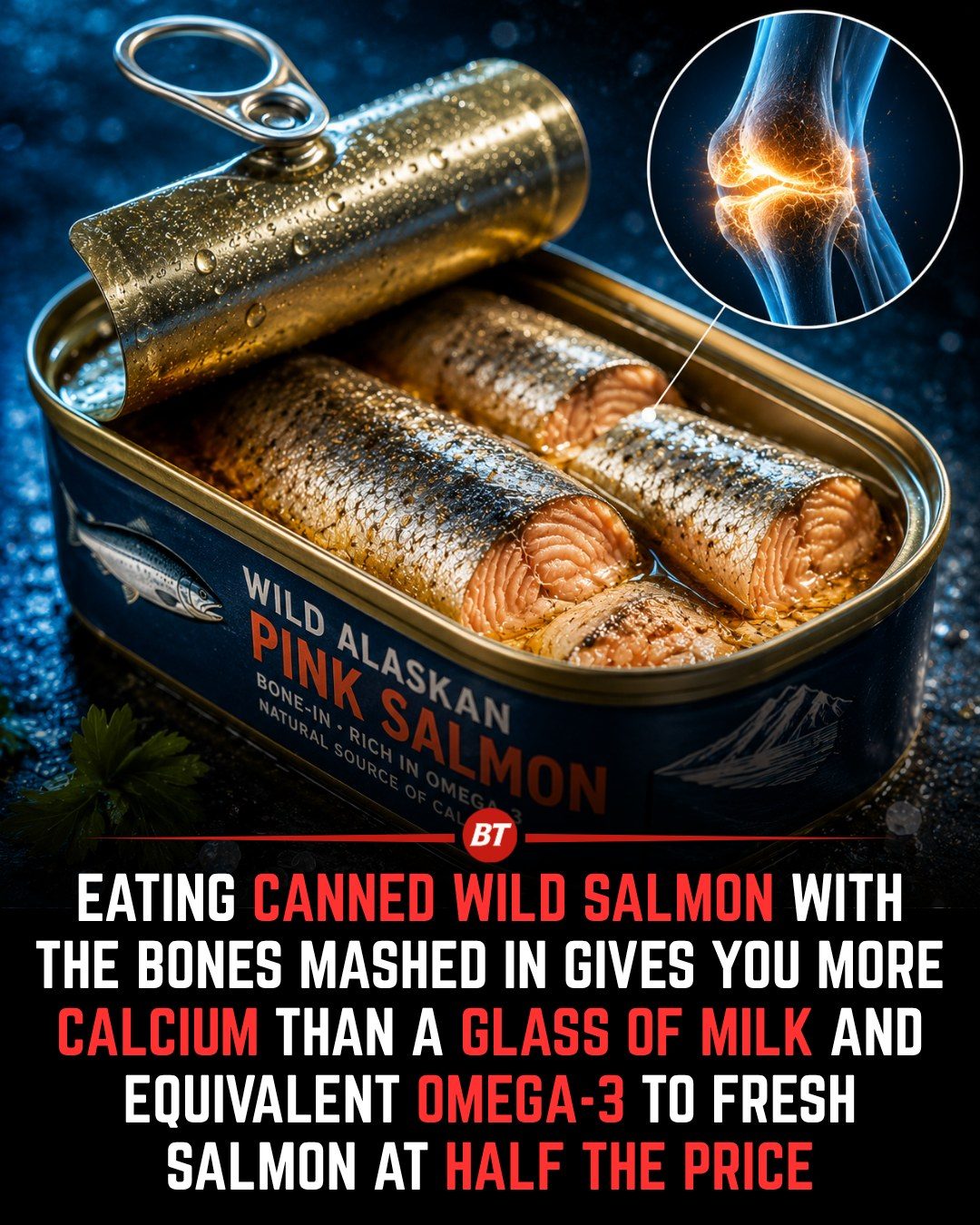
Canned salmon, particularly Wild Alaskan Pink Salmon, is a nutritional powerhouse that often goes underappreciated. This budget-friendly food is packed with essential nutrients, making it a valuable addition to any diet. Here's how canned salmon stands out, nutrition-wise, and some practical tips for incorporating it into your meals.
Why This Matters
Canned salmon is more than just a convenient food option. It provides a rich source of calcium, omega-3 fatty acids, and a variety of other essential vitamins and minerals. These nutrients play a crucial role in supporting overall health, from bone strength to heart health and cognitive function.
Eating salmon that includes the soft bones offers an unexpected nutritional benefit. The soft, mashable bones are packed with calcium, providing a significant boost to your daily intake. This makes canned salmon a unique and affordable source of this essential mineral.
Calcium Content
The calcium in canned salmon, especially when the bones are included and mashed, is particularly notable. Consuming canned salmon with the bones can provide more calcium per serving than a glass of milk. This is a great option for those looking to boost their calcium intake, especially if they are lactose intolerant or avoid dairy.
Omega-3 Fatty Acids
Canned salmon is an excellent source of the marine omega-3 fatty acids EPA and DHA. These fatty acids are renowned for their heart health benefits, supporting brain function, and aiding in a balanced inflammatory response. Research indicates that the canning process retains most of these beneficial fats, making canned salmon a viable and cost-effective way to incorporate omega-3s into your diet. A scientific statement from the American Heart Association continues to recommend eating omega-3-rich fish as part of a heart-healthy diet.
Other Nutrients
Beyond calcium and omega-3s, canned salmon is a rich source of high-quality protein, vitamin D, selenium, and vitamin B12. These nutrients are essential for maintaining strong bones, healthy teeth, and normal muscle function. Vitamin D, in particular, is crucial for calcium absorption, making canned salmon a well-rounded nutritional choice.
Practical Tips
Preparing Canned Salmon
Canned salmon is incredibly versatile. Here are a few tips for preparing and enjoying it:
- Masha the Bones: To get the full nutritional benefit, mash the bones into the fish with a fork. This way, you won't miss out on the all the calcium.
- Salmon Salad: Mix canned salmon with Greek yogurt or avocado, lemon juice, Dijon mustard, and fresh herbs for a quick, calcium-rich salad.
- Add to Meals: Incorporate canned salmon into rice bowls, sandwiches, or whole-grain crackers for a nutritious boost.
Storing Canned Salmon
Store canned salmon in a cool, dry place. Once opened, transfer the remaining salmon to an airtight container and refrigerate. It will keep for up to three days.
Important Takeaways
Canned salmon, especially Wild Alaskan Pink Salmon, is not just a convenient food option but a nutrient-rich choice. Here are the key takeaways:
- Calcium Rich: Canned salmon with the bones provides more calcium than a glass of milk.
- Omega-3 Benefits: It offers the same heart-healthy omega-3 fats as fresh salmon but at a lower price.
- Versatile: It can be easily incorporated into various meals, from salads to sandwiches.
- Affordable: Canned salmon is a budget-friendly option that doesn't compromise on nutrition.
Conclusion
Canned salmon is a versatile and nutrient-dense food that deserves a place in your diet. Whether you're looking to boost your calcium intake, incorporate more omega-3s, or simply enjoy a tasty and affordable meal, canned salmon is an excellent choice.
Watch the Reel
Questions readers ask
What are the key benefits of canned salmon?
Canned salmon offers numerous benefits, including being a rich source of omega-3 fatty acids, which are vital for heart health and brain function. It also provides a significant amount of calcium, especially when consumed with the soft, edible bones. Additionally, it's a budget-friendly and convenient option for boosting your diet with essential vitamins and minerals.
How does the nutritional content of canned salmon compare to fresh salmon?
Canned salmon retains most of the nutritional benefits of fresh salmon, including high levels of omega-3s and proteins. In fact, canning the salmon with the bones ensures that you get a good amount of calcium. The main difference is that fresh salmon might have a slightly different texture and flavor. However, canned salmon, particularly Wild Alaskan Pink Salmon, is a more affordable and convenient option.
Why is Wild Alaskan Pink Salmon a popular choice for canned salmon?
Wild Alaskan Pink Salmon is popular for canned salmon due to its mild flavor, tender texture, and high nutritional content. It is rich in omega-3s and other essential nutrients. Additionally, it is sustainably sourced, making it an environmentally responsible choice.
What are some easy and healthy meal ideas using canned salmon?
Canned salmon can be used in a variety of meals. You can mix it with cream cheese and dill for a quick spread or salad topping. It also works well in pastas, quiches, and casseroles. For a simple meal, try making salmon salad sandwiches by mixing the canned salmon with mayonnaise, chopped celery, and onions. Another option is to use it in a hearty chowder or soup for a comforting, nutritious meal.
How does canned salmon support bone health?
Canned salmon supports bone health primarily through its calcium content. The soft, edible bones in canned salmon are a great source of calcium, which is essential for maintaining strong bones and teeth. Additionally, the vitamin D in canned salmon aids in calcium absorption, further boosting bone health.
Is canned salmon a good source of omega-3 fatty acids?
Yes, canned salmon is an excellent source of omega-3 fatty acids. Omega-3s are crucial for heart health, brain function, and reducing inflammation in the body. Consuming canned salmon regularly can help you meet your daily omega-3 requirements, supporting overall health and well-being.
Recent articles
Fresh deep dives from the latest Reels we unpacked.




Comments
Be the first to comment.