Healthy Eating and Fitness
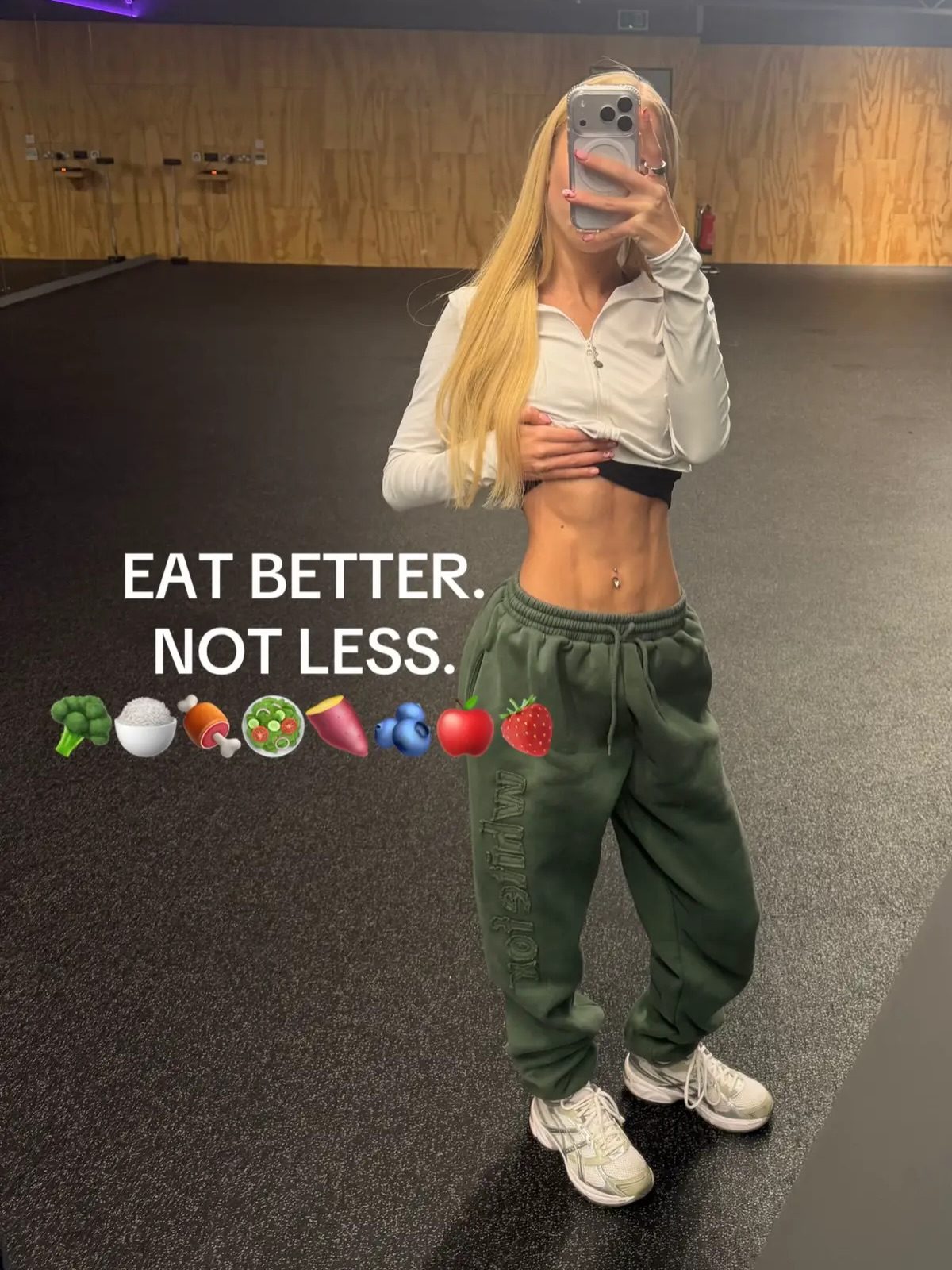
Nutrition and fitness go hand in hand, and a balanced approach to eating can significantly boost your workout performance and overall health. The key is to focus on eating better, not less. This means consuming meals that are high in protein, balanced in carbohydrates, and rich in fiber. By doing so, you can build muscle, maintain high energy levels, stay consistent with your diet, and actually enjoy the process.
Context / Why this matters
Many people mistakenly believe that the path to weight loss and fitness involves drastic reductions in food intake. However, starving yourself often leads to a cycle of bingeing, low energy, skipped workouts, and ultimately, slowed progress. The sustainable approach is to eat better, not less. This involves creating meals that nourish your body and support your fitness goals.
Main discussion
Understanding Macros and Calories
Macronutrients, or macros, are the nutrients your body needs in large amounts. They include proteins, carbohydrates, and fats. Each plays a crucial role in your body's functioning and fitness performance. Carbohydrates provide energy, proteins help build and repair muscles, and fats support hormone regulation and nutrient absorption.
Tracking your macros and calories is an effective way to ensure you're eating the right balance of nutrients. Tools like the Sustainable Goal app can help you monitor your daily intake and progress. The app highlights daily calorie and macro goals, providing a detailed breakdown of protein, carbohydrates, and fats. This data-driven approach helps you stay on track and make informed decisions about your diet.
Building Balanced Meals
When it comes to meal planning, focus on incorporating whole foods that are high in protein, balanced in carbs, and rich in fiber. Here are some key components to include in your meals:
- Protein: Essential for muscle repair and growth. Opt for lean sources like chicken, fish, tofu, and legumes.
- Carbohydrates: Provide the energy needed for workouts and daily activities. Choose complex carbs like whole grains, fruits, and vegetables.
- Fiber: Aids in digestion and keeps you feeling full. Found in foods like fruits, vegetables, and whole grains.
- Healthy Fats: Support hormone function and nutrient absorption. Include sources like avocados, nuts, and seeds.
By focusing on these nutrients, you can create meals that are satisfying and support your fitness goals. Avoid restrictive diets that eliminate entire food groups, as they can lead to nutrient deficiencies and make it harder to stick to your plan.
Staying Consistent
Consistency is key when it comes to achieving long-term fitness goals. It's easier to stay consistent when you're not miserable, which is why building meals that you enjoy is so important. Eating better allows you to:
- Stay full and satisfied, reducing the likelihood of bingeing.
- Perform better during workouts, thanks to a balanced intake of energy and nutrients.
- Maintain high energy levels throughout the day.
- Build muscle and improve overall fitness.
The Role of a Nutrition App
Apps like Sustainable Goal provide valuable tools for tracking your nutrition and progress. These apps often include features like:
- Calorie and Macro Tracking: Monitor your daily intake of calories, protein, carbohydrates, and fats.
- Meal Planning: Get ideas for balanced meals that fit your nutritional needs.
- Progress Tracking: See how your intake aligns with your fitness goals and make adjustments as needed.
- Rewards System: Some apps, like Workit, offer rewards for hitting your goals, turning discipline into something you actually want to do.
Balancing Workouts and Nutrition
A balanced fitness routine should include both strength training and cardiovascular exercise. Eating better supports both types of workouts by providing the energy and nutrients needed for performance and recovery. Workouts help burn calories and build muscle, while balanced meals help you stay full, perform better, and recover faster.
Practical Tips
- Plan Your Meals: Set aside time each week to plan and prepare your meals. This ensures you have healthy options readily available and reduces the temptation to eat poorly.
- Track Your Intake: Use a nutrition app to track your calories and macros. This helps you understand your eating habits and make necessary adjustments.
- Stay Hydrated: Drinking plenty of water is essential for both nutrition and fitness. It aids in digestion, nutrient absorption, and overall bodily functions.
- Listen to Your Body: Pay attention to how your body responds to different foods and workouts. Adjust your diet and exercise routine as needed to support your goals.
- Reward Yourself: Tied to Workit, rewards can turn discipline into something you want to do, making it easier to stay consistent.
Important Takeaways
Eating better, rather than eating less, is a sustainable approach to nutrition and fitness. By focusing on balanced meals that include high protein, balanced carbs, and plenty of fiber, you can support your fitness goals, maintain high energy levels, and stay consistent with your diet. Tools like the Sustainable Goal app can help you track your progress and make informed decisions about your nutrition.
Conclusion
Fitness and nutrition are interconnected, and a balanced approach to eating can significantly boost your workout performance and overall health. Focus on creating meals that nourish your body and support your fitness goals, and use tools like the Sustainable Goal app to stay on track. Consistency is key, and by eating better, you can build muscle, maintain high energy levels, and actually enjoy your diet. Embrace this approach and watch as your fitness journey becomes more enjoyable and sustainable.
Watch the Reel
Questions readers ask
Why is it important to eat quality meals for fitness?
Quality meals provide the necessary nutrients to fuel workouts and aid in recovery. By consuming whole foods high in protein, balanced in carbohydrates, and rich in fiber, you ensure your body has the energy and nutrients it needs for optimal workout performance and muscle building.
What are the benefits of a high protein diet for fitness?
A high protein diet supports muscle growth and repair. Protein helps to build and maintain lean muscle mass, which is crucial for improving strength and endurance. Including protein in every meal can also help you feel fuller for longer, making it easier to maintain a consistent eating routine.
How do balanced meals help in maintaining energy levels during workouts?
Balanced meals that include a mix of protein and carbohydrates provide sustained energy. Carbohydrates are the body's primary energy source, while protein helps to repair and build muscles. Eating balanced meals ensures that you have the energy to power through workouts and maintain high performance.
What role does fiber play in a fitness meal plan?
Fiber is essential for digestive health and can help you feel full and satisfied after meals. Including fiber-rich foods in your fitness meal plan can aid in maintaining a consistent eating routine and support overall health. Additionally, fiber helps regulate blood sugar levels, providing sustained energy during workouts.
How can I create a fitness meal plan that supports my workout performance?
To create an effective fitness meal plan, focus on including whole foods that are high in protein, balanced in carbohydrates, and rich in fiber. Plan your meals and snacks around your workout schedule, ensuring you have the right nutrients before and after your workouts. Stay hydrated and listen to your body's hunger and fullness cues.
Why is it better to eat better for fitness instead of eating less?
Eating better, rather than eating less, ensures your body gets the nutrients it needs to function optimally. A balanced diet with quality meals helps maintain energy levels, supports muscle growth, and prevents the cycle of bingeing and low energy. It's a more sustainable approach to fitness and overall health.
What are some examples of healthy carbs for fitness?
Healthy carbs for fitness include whole grains, fruits, and vegetables. These foods provide sustained energy and are rich in fiber, vitamins, and minerals. Examples include brown rice, quinoa, sweet potatoes, and a variety of fruits and vegetables. Including these in your meals can support your workout performance and overall health.
Recent articles
Fresh deep dives from the latest Reels we unpacked.




Comments
Be the first to comment.