Nutrition for Menstrual Cycle Phases
The menstrual cycle is a natural and dynamic process that affects the body in various ways, including energy levels, mood, and nutrient needs. Aligning your nutrition with the different phases of your menstrual cycle can help optimize your energy and overall well-being.
Why This Matters
Understanding and adapting your diet to the phases of the menstrual cycle can make a significant difference in how you feel both physically and mentally. By aligning your nutrition with your body's natural rhythms, you can support hormone balance, reduce fatigue, and improve your overall quality of life.
Main Discussion
Phases of the Menstrual Cycle
The menstrual cycle can be divided into four main phases: menstruation, follicular, ovulation, and luteal. Each phase has unique characteristics and nutritional requirements. Let's dive into the specifics of each phase.
Menstruation Phase (Days 1-7)
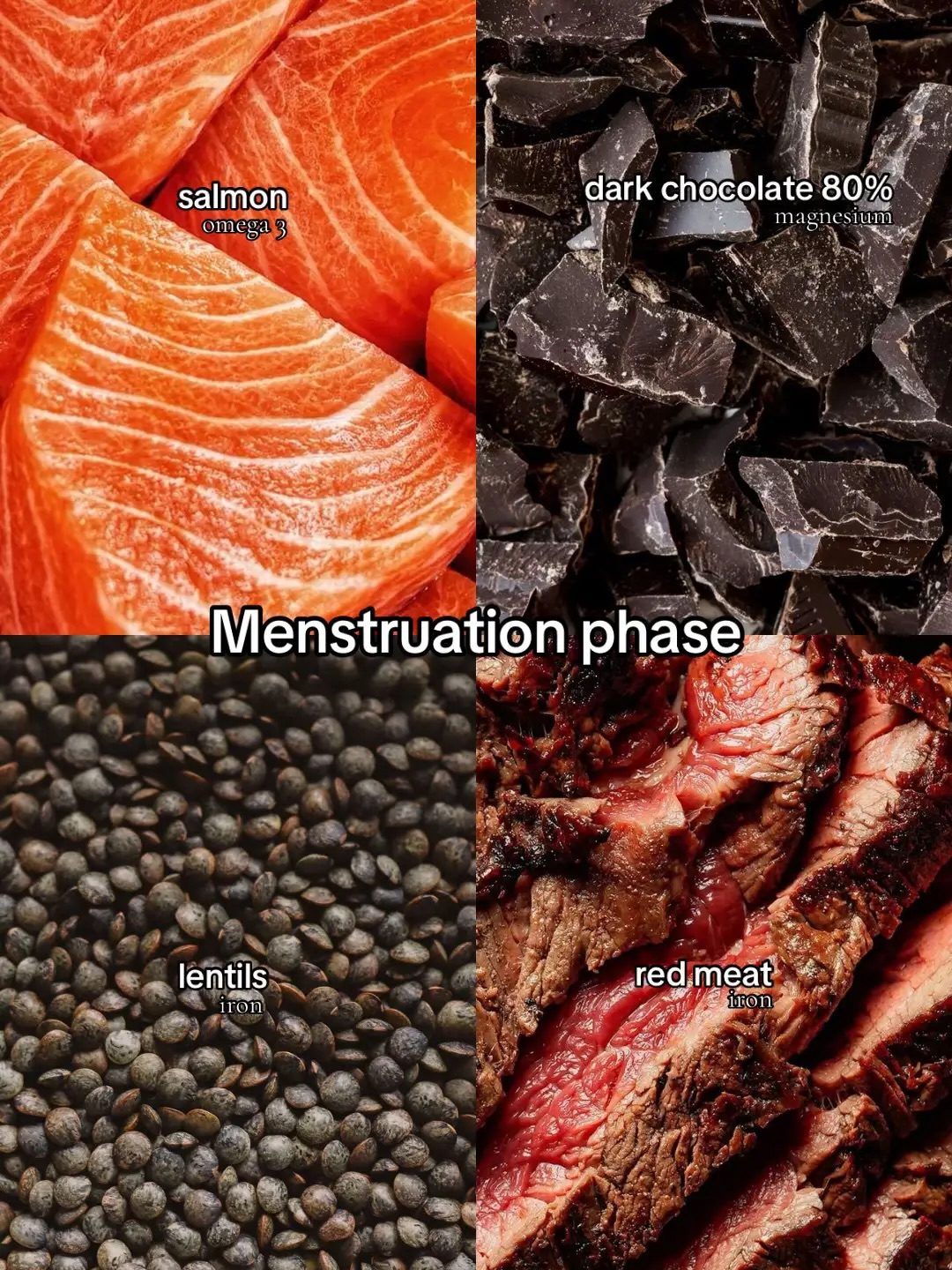
During the menstruation phase, your body is in a recovery mode. Energy levels are typically low, and the body needs nutrients to replenish and reduce fatigue. Focus on foods rich in iron and omega-3 fatty acids, which support recovery and overall health.
Foods to Include:
- Salmon: Rich in omega-3 fatty acids, which help reduce inflammation and support heart health.
- Red meat: A good source of iron, which is crucial for maintaining energy levels.
- Lentils: High in iron and protein, helping to replenish the body's stores and reduce fatigue.
- Dark chocolate: High in antioxidants and magnesium, which can help with mood and energy levels.
Follicular Phase (Days 7-14)
The follicular phase is characterized by rising energy levels and the preparation of the body for ovulation. During this phase, focus on nutrient-dense foods that support hormone production and gut health. These foods are generally light and easy to digest.
Foods to Include:
- Eggs: High in protein and vitamin D, supporting overall health and hormone production.
- Kefir: A probiotic-rich dairy product that supports gut health.
- Kale: High in vitamins A, C, and K, as well as iron and calcium, it supports hormone balance and overall health.
- Flaxseeds: Rich in omega-3 fatty acids and fiber, which support hormone production and gut health.
Ovulation Phase (Around Day 14)
During ovulation, energy levels are typically at their peak, and the body needs nutrients to support performance and recovery. Focus on foods rich in antioxidants and protein, which can help maintain energy levels and support recovery.
Foods to Include:
- Quinoa: A complete protein source that provides sustained energy.
- Oysters: High in zinc, which supports immune function and hormone balance.
- Blueberries: Rich in antioxidants, which can help support overall health and recovery.
- Broccoli: High in vitamins C and K, as well as fiber, supporting overall health and recovery.
Luteal Phase (Days 15-28)
The luteal phase is characterized by cravings and fatigue. During this phase, focus on foods rich in magnesium and slow carbs, which can help stabilize mood and energy levels.
Foods to Include:
- Sweet potatoes: Rich in complex carbohydrates and fiber, supporting sustained energy levels.
- Bananas: High in potassium and magnesium, which can help stabilize mood and reduce fatigue.
- Greek yogurt: Rich in protein and calcium, supporting overall health and energy levels.
- Pumpkin seeds: High in magnesium and zinc, supporting mood and overall health.
Practical Tips
Tracking Nutrition with an App
Data-driven nutrition insights can be incredibly helpful in optimizing your diet for each phase of your menstrual cycle. Consider using a nutrition tracking app that allows you to set goals and track your calorie and macronutrient intake. This can help you stay on track and make adjustments as needed.
Sample Meal Plan
Here's a sample meal plan to help you get started:
Menstruation Phase:
- Breakfast: Greek yogurt with dark chocolate and flaxseeds.
- Lunch: Lentil soup with a side of dark chocolate.
- Dinner: Grilled salmon with a side of kale.
Follicular Phase:
- Breakfast: Scrambled eggs with kefir and avocado.
- Lunch: Kale salad with grilled chicken and quinoa.
- Dinner: Baked fish with a side of broccoli and sweet potato.
Ovulation Phase:
- Breakfast: Quinoa bowl with mixed berries and Greek yogurt.
- Lunch: Broccoli and kefir salad with grilled chicken and kale.
- Dinner: Grilled oysters with a side of quinoa and mixed berries.
Luteal Phase:
- Breakfast: Greek yogurt with bananas and pumpkin seeds.
- Lunch: Lentil soup with a side of dark chocolate.
- Dinner: Grilled salmon with a side of sweet potato and kale.
Important Takeaways
Understanding and adapting your nutrition to the phases of your menstrual cycle can lead to significant improvements in energy, mood, and overall well-being. Instead of fighting your body's natural rhythms, work with them by including specific nutrients in your diet that support each phase.
Workit App
To make it easier to track and optimize your nutrition, consider using a mobile app like Workit. This app provides data-driven nutrition insights, allowing you to set goals, track your progress, and make adjustments as needed. With Workit, you can stay active, earn rewards, and maintain consistency in your health journey.
The Bottom Line
Aligning your nutrition with your menstrual cycle is about more than just following a diet; it's about understanding and working with your body. By focusing on the right nutrients at the right times, you can support your overall health and well-being. Remember, it's not about being perfect; it's about making small, consistent changes that support your body's natural rhythms.
Conclusion
Nutrition plays a critical role in supporting the body through the different phases of the menstrual cycle. By understanding and adapting your diet to meet the specific needs of each phase, you can improve your energy, mood, and overall well-being. Whether you're in the menstruation, follicular, ovulation, or luteal phase, focusing on the right nutrients can make a significant difference in how you feel. Start by incorporating the recommended foods into your diet, tracking your progress with an app, and making adjustments as needed.
Watch the Reel
Questions readers ask
What are the four main phases of the menstrual cycle and why should I adjust my nutrition accordingly?
The four main phases are menstruation, follicular, ovulation, and luteal. Adjusting your nutrition for each phase helps support your body's changing needs, hormone balance, and overall well-being. For example, focusing on iron and omega-3s during menstruation can help replenish what is lost during your period.
Which foods are recommended during the menstruation phase?
During menstruation, prioritize iron-rich foods like lean red meat, poultry, fish, and dark leafy greens to replenish iron loss. Include foods rich in omega-3 fatty acids, such as salmon, walnuts, and chia seeds, to help reduce inflammation and support heart health. Stay hydrated and consider incorporating warming foods and beverages to ease discomfort.
What should I eat during the follicular phase to support my body's needs?
During the follicular phase, focus on nutrient-dense foods that support your body’s growing energy demands. Include a variety of fruits, vegetables, lean proteins, and whole grains. Foods rich in folate, such as spinach, lentils, and avocados, are particularly beneficial during this phase.
How can my diet during the luteal phase help with symptoms like bloating and mood swings?
During the luteal phase, incorporate foods that support liver function and help manage symptoms like bloating and mood swings. Include cruciferous vegetables like broccoli and cauliflower, as well as lean proteins and healthy fats. Limit processed foods, salt, and caffeine, which can exacerbate symptoms. Additionally, stay hydrated to help reduce water retention.
Are there specific foods that can boost my energy during the menstrual cycle?
To boost energy during your menstrual cycle, focus on foods rich in complex carbohydrates and lean proteins. Whole grains, sweet potatoes, and lean proteins like chicken and fish can provide sustained energy. Additionally, staying hydrated and consuming foods high in iron and B vitamins can help combat fatigue, especially during menstruation and the luteal phase.
What are the benefits of including omega-3 fatty acids in my diet, especially during menstruation?
Omega-3 fatty acids can help reduce inflammation and support heart health. During menstruation, they can help alleviate cramps and discomfort. Foods rich in omega-3s, such as salmon, walnuts, and chia seeds, can be beneficial. Consider incorporating these into your diet regularly, but especially during your menstrual phase to support your overall well-being.
How can eating the right foods during the ovulation phase help my body?
Durning the ovulation phase, focus on foods that support hormonal balance and overall health. Include foods rich in antioxidants, such as berries, colorful fruits and vegetables. Also, consider incorporating foods rich in B vitamins, such as leafy greens, nuts, and seeds, to support energy production and hormonal balance.
Recent articles
Fresh deep dives from the latest Reels we unpacked.




Comments
Be the first to comment.