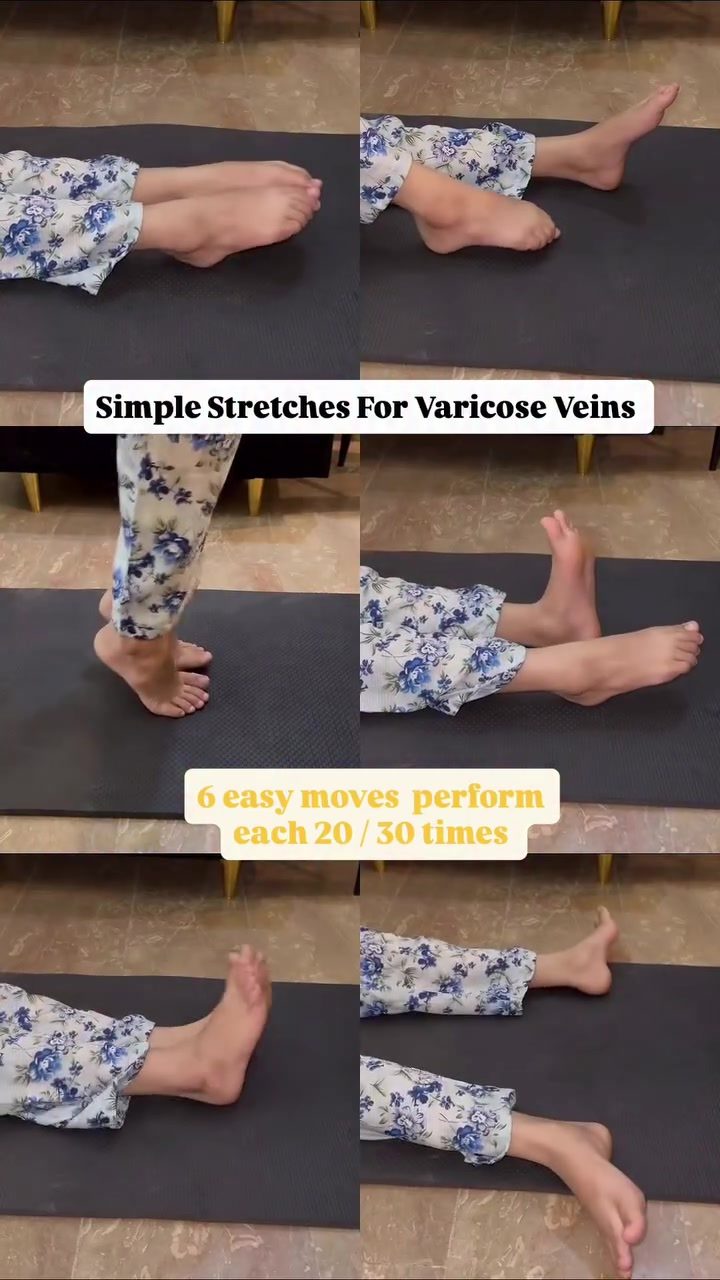
Varicose Vein Stretches for Improved Blood Flow
Varicose veins can cause discomfort and affect the appearance of your legs, but regular, gentle exercises can improve circulation, relieve swelling, and manage symptoms. While these exercises won’t eliminate varicose veins, they can significantly enhance your overall leg health and vein functionality.
Why Exercise Matters for Varicose Veins
Regular exercise is crucial for maintaining good vein health. It helps improve blood flow, reduces leg swelling, and eases the discomfort associated with varicose veins. Incorporating simple stretches and exercises into your daily routine can provide numerous benefits, including:
- Improved Circulation: Gentle movements help blood flow more efficiently through your veins, reducing the pressure and pooling that cause varicose veins.
- Reduced Swelling: Exercise helps in draining excess fluid from your legs, which can alleviate swelling.
- Symptom Management: Regular physical activity can make symptoms like aching, heaviness, and fatigue less severe.
Main Discussion
Simple Stretches for Varicose Veins
Incorporating simple stretches into your daily routine can help alleviate the symptoms of varicose veins. Here are six easy moves to perform, each with specific instructions on the number of repetitions.
1. Walking
Walking is one of the simplest and most effective exercises for improving blood flow in your legs.
How to do it:
- Aim for 20 to 30 minutes of daily walking.
- Maintain a steady pace that keeps your heart rate slightly elevated but still comfortable.
2. Ankle Pumps
Ankle pumps help improve circulation in your lower legs and can be done almost anywhere.
How to do it:
- Sit or lie down with your legs extended.
- Gently point your toes away from you and then flex your feet back towards your shins.
- Perform 15 to 20 repetitions.
3. Calf Raises
Calf raises strengthen the muscles in your lower legs, which can help support your veins.
How to do it:
- Stand on a step or raised platform with your heels hanging off the edge.
- Slowly lower your heels down and then rise up onto your toes.
- Perform 2 to 3 sets of 15 repetitions.
4. Heel-to-Toe Rocking
Heel-to-toe rocking is a great exercise for improving balance and circulation.
How to do it:
- Stand with your feet hip-width apart.
- Slowly rock back onto your heels, then forward onto your toes.
- Repeat for 15 repetitions.
5. Leg Raises
Leg raises help to strengthen your leg muscles and improve circulation.
How to do it:
- Lie on your back with your legs extended.
- Lift one leg a few inches off the ground and hold for a moment, then lower it back down.
- Repeat with the other leg.
- Perform 10 to 15 repetitions per leg.
6. Cycling (or Air Cycling)
Cycling or air cycling is an excellent exercise for improving blood flow in your legs.
How to do it:
- Lie on your back with your legs extended.
- Lift your legs a few inches off the ground and make a pedaling motion as if you were riding a bicycle.
- Continue for 10 to 15 minutes.
Practical Tips for Managing Varicose Veins
In addition to the exercises mentioned, there are other practical tips to help manage varicose veins and support overall leg health.
Elevate Your Legs
Elevating your legs after exercise can help reduce swelling and improve circulation.
- How to do it: Sit or lie down and place your legs on a pillow or raised surface.
- Duration: Aim for 15 to 20 minutes of elevation after exercise.
Avoid Prolonged Standing or Sitting
Sitting or standing in one position for extended periods can worsen varicose vein symptoms.
- How to do it: Take frequent breaks to move around and stretch your legs.
- Frequency: Aim for a short walk or stretch every 30 to 60 minutes.
Wear Compression Stockings
Compression stockings can help improve blood flow and reduce swelling.
- How to do it: Consult your healthcare provider to determine if compression stockings are right for you.
- Usage: Wear them as recommended by your healthcare provider, usually during the day.
Maintain a Healthy Weight
Maintaining a healthy weight can reduce the pressure on your veins and improve overall circulation.
- How to do it: Follow a balanced diet and engage in regular physical activity.
- Goal: Aim for a gradual, sustainable weight loss if needed.
Seek Medical Advice
If you experience severe symptoms, it’s essential to seek medical advice.
- When to seek help: Look for signs such as severe pain, sudden swelling, skin ulcers, bleeding veins, or signs of a blood clot.
- Action: Consult a healthcare provider for a thorough evaluation and appropriate treatment.
Important Takeaways
Managing varicose veins involves a combination of exercises, lifestyle changes, and, in some cases, medical intervention. Incorporating simple stretches and exercises into your daily routine can significantly improve blood flow, reduce swelling, and ease discomfort. Remember to consult with a healthcare provider for personalized advice and to address any severe symptoms promptly.
Conclusion
Varicose veins can be challenging to manage, but with the right exercises and lifestyle changes, you can improve your leg health and alleviate symptoms. Incorporate walking, ankle pumps, calf raises, heel-to-toe rocking, leg raises, and cycling into your routine. Additionally, elevate your legs, avoid prolonged sitting or standing, wear compression stockings if recommended, maintain a healthy weight, and seek medical advice when needed. These practices can help you manage varicose veins effectively and support overall vein health.
Watch the Reel
Questions readers ask
What are some simple stretches to help alleviate varicose vein discomfort?
Some effective stretches include calf raises, ankle pumps, and seated leg extensions. These exercises can be done easily at home and help to improve blood flow and reduce swelling in the legs.
How does exercise help manage varicose veins?
Exercise improves blood flow, reduces leg swelling, and eases discomfort by encouraging more efficient circulation. Regular physical activity can enhance overall leg health and vein functionality, though it won’t eliminate varicose veins.
Can cycling help with varicose veins?
Yes, cycling can be beneficial for individuals with varicose veins. It’s a low-impact exercise that improves circulation and strengthens the leg muscles, which can help manage symptoms and reduce discomfort.
What are some daily leg exercises to improve blood flow?
Incorporate stretches and exercises like walking, leg lifts, and heel raises into your daily routine. These activities promote better blood flow and can help alleviate the discomfort associated with varicose veins.
How often should I perform these varicose vein exercises?
Aim to perform these exercises daily, ideally 2-3 times a day, or as recommended by your physiotherapist. Consistency is key to seeing improvements in blood flow and managing symptoms.
Are there any exercises to avoid with varicose veins?
It’s best to avoid high-impact exercises that put excessive pressure on the legs, such as running or heavy weightlifting. These activities can potentially worsen varicose vein symptoms. Always consult a healthcare professional for personalized advice.
What other tips can help improve vein health?
Maintaining a healthy weight, elevating your legs when possible, and wearing compression stockings can all contribute to better vein health. These practices, combined with regular exercise, can help manage varicose vein symptoms effectively.
Recent articles
Fresh deep dives from the latest Reels we unpacked.




Comments
Be the first to comment.