Healthy Meal Prep Recipes
Meal prepping is a game-changer for anyone looking to maintain a healthy lifestyle without the stress of daily meal planning. This approach focuses on low-inflammatory, high-protein meals designed to keep you satisfied and energized throughout the day. By incorporating real ingredients that support fat loss, reduce inflammation, and fuel your body properly, you can create a sustainable eating plan that fits seamlessly into your routine.
Context
Meal prepping is about more than just saving time; it's about creating a balanced diet that aligns with your health goals. Whether you're aiming to lose weight, build muscle, or simply maintain a healthy lifestyle, having a plan in place can make all the difference. The key is to focus on nutrient-dense, protein-forward meals that are easy to prepare and satisfying to eat. This approach ensures that you have healthy, delicious options ready to go, making it easier to stay on track and avoid unhealthy choices.
Main Discussion
Building a Balanced Meal Plan
When it comes to meal prepping, balance is key. A well-rounded meal should include a good mix of protein, healthy fats, and complex carbohydrates. This balance not only keeps you fuller for longer but also helps maintain steady energy levels throughout the day. Here are some essential components to include in your meal plan:
Protein
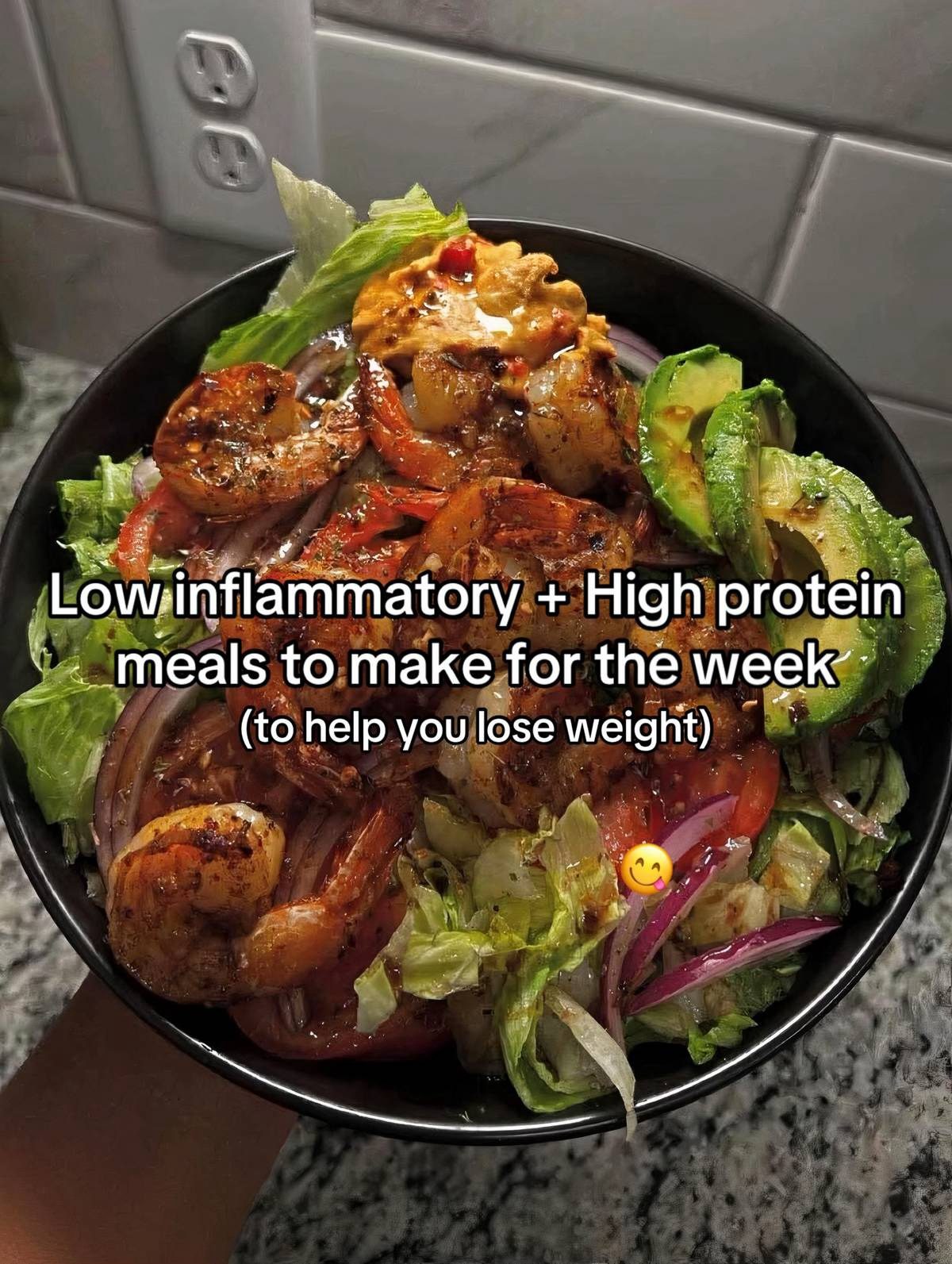
Protein is the cornerstone of any healthy meal plan. It supports muscle growth and repair, keeps you feeling full, and helps stabilize blood sugar levels. Opt for lean protein sources like chicken, turkey, fish, tofu, and legumes. For a flavorful and protein-packed option, consider the Chipotle Shrimp recipe.
Chipotle Shrimp Salad Bowl
This recipe is a standout for its simplicity and delicious flavors. The shrimp is marinated in a blend of spices, including smoked paprika and chipotle chili powder, then cooked to perfection. The dish is served over a bed of romaine lettuce, topped with avocado, tomato, and red onion, and drizzled with a creamy Chipotle Yogurt dressing. The combination of flavors and textures makes it a satisfying and nutritionally balanced meal.
Ingredients:
- 1 1/2 lbs large shrimp, peeled and deveined
- 1 tsp olive oil
- 1 tsp garlic, minced
- 1 tsp smoked paprika
- 1 tsp chipotle chili powder
- 1/2 tsp cumin
- 1/2 tsp salt
- 1/4 tsp black pepper
- 1 tsp lime juice
For the Salad Base:
- Romaine lettuce
- Tomato wedges
- Red onion slices
- Avocado slices
For the Chipotle Yogurt Dressing:
- 1/2 cup Greek yogurt
- 2 tbsp mayo
- 1 tbsp lime juice
- 1 tbsp honey
- 1 tbsp adobo sauce
Instructions:
- Prepare the Dressing: In a small bowl, whisk together the Greek yogurt, mayo, lime juice, honey, and adobo sauce. Set aside.
- Cook the Shrimp: In a bowl, toss the shrimp with olive oil, garlic, paprika, chipotle chili, cumin, salt, pepper, and lime juice. Heat a skillet on medium-high and cook the shrimp for 2-3 minutes on each side until they turn pink.
- Assemble the Salad: In large bowls, layer romaine lettuce, tomato wedges, red onion slices, and avocado.
- Add the Shrimp: Place the cooked chipotle shrimp on top of each salad.
- Drizzle with Dressing: Pour the chipotle yogurt dressing over the shrimp and salad. Garnish with extra lime juice or fresh cilantro if desired.
This recipe is low in calories but high in protein, making it an ideal choice for weight management. Each serving contains approximately 510 calories, 39g of protein, 22g of carbohydrates, and 29g of fat.
Healthy Fats
Healthy fats are essential for a balanced diet. They support brain function, aid in nutrient absorption, and help keep you feeling full. Incorporate healthy fats from sources like avocados, nuts, seeds, and olive oil. For example, the Chipotle Shrimp Salad Bowl includes avocado, a rich source of monounsaturated fats that support heart health.
Complex Carbohydrates
Complex carbohydrates provide sustained energy and are essential for maintaining blood sugar levels. Opt for whole grains, fruits, and vegetables. The Chipotle Shrimp Salad Bowl includes vegetables like lettuce, tomatoes, and onions, which add fiber and essential nutrients.
Seasonal Variety
Variety is crucial for maintaining interest and adherence to a meal plan. Incorporate seasonal ingredients and flavors to keep your meals exciting. For example, the Chimichurri Steak with Herb Roasted Carrots and Broccoli is a hearty, flavorful dish that changes with the seasons.
Chimichurri steak pairs perfectly with roasted carrots and broccoli, providing a rich, savory meal that's packed with protein and fiber.
Additional Meal Prep Ideas
In addition to the Chipotle Shrimp Salad Bowl and Chimichurri Steak, consider other high-protein, low-inflammatory meal options:
Grilled Chicken with Quinoa and Vegetables
Grilled chicken is a versatile protein source that pairs well with a variety of vegetables. Quinoa is an excellent source of complex carbohydrates and fiber. Combine grilled chicken with quinoa and a medley of vegetables like bell peppers, zucchini, and cherry tomatoes for a nutritious and flavorful meal.
Ingredients:
- 1 lb chicken breasts
- 1 cup quinoa
- 2 cups mixed vegetables (bell peppers, zucchini, cherry tomatoes)
- Olive oil
- Salt and pepper to taste
Instructions:
- Preheat the grill or a grill pan to medium-high heat. Season the chicken breasts with salt, pepper, and olive oil, then grill for 6-7 minutes on each side until cooked through.
- Cook the quinoa according to package instructions.
- Sauté the mixed vegetables in a pan with olive oil until tender.
- Serve the grilled chicken over a bed of quinoa and vegetables.
Baked Salmon with Sweet Potato and Green Beans
Baked salmon is rich in omega-3 fatty acids, which support heart health and reduce inflammation. Pair it with a sweet potato and a side of steamed green beans for a well-rounded, nutritious meal.
Ingredients:
- 2 salmon fillets
- 2 medium sweet potatoes
- 1 cup green beans
- Olive oil
- Salt, pepper, and lemon juice to taste
Instructions:
- Preheat the oven to 400°F (200°C). Place the salmon fillets on a baking sheet, season with salt, pepper, and a drizzle of olive oil, then bake for 12-15 minutes until cooked through.
- Peel and dice the sweet potatoes, then toss with olive oil, salt, and pepper. Bake in the oven for 20-25 minutes until tender.
- Steam the green beans until tender.
Serve the baked salmon with a side of sweet potatoes and green beans.
Tofu Stir-Fry with Brown Rice
Tofu is a versatile, plant-based protein source that absorbs flavors well. Combine it with a variety of colorful vegetables and brown rice for a nutritious and filling meal.
Ingredients:
- 1 block firm tofu
- 2 cups mixed vegetables (bell peppers, broccoli, carrots)
- 1 cup brown rice
- Soy sauce
- Garlic and ginger to taste
Instructions:
- Press the tofu to remove excess water, then cut into cubes. Stir-fry the tofu in a pan with a bit of oil until golden brown. Remove from the pan and set aside.
- In the same pan, stir-fry the mixed vegetables with a bit of oil until tender.
- Cook the brown rice according to package instructions.
- Add the tofu back to the pan with the vegetables, season with soy sauce, garlic, and ginger, then serve over a bed of brown rice.
Practical Tips
Meal prepping can be a time-saving and stress-reducing practice. Here are some practical tips to help you get started:
Plan Ahead
Planning is the key to successful meal prepping. Set aside time each week to plan your meals, create a grocery list, and do your shopping. This will save you time during the week and ensure that you have all the ingredients you need on hand.
Prep in Batches
Preparing meals in batches can save time and effort. Cook large quantities of protein, grains, and vegetables at once, then portion them out for the week. This way, you can quickly assemble meals throughout the week without having to cook from scratch each day.
Invest in Storage Containers
High-quality storage containers are essential for meal prepping. Invest in a set of durable, leak-proof containers that are easy to stack and store in the fridge. This will help keep your meals fresh and organized.
Stay Organized
Keep your meal prepping area clean and organized. Make sure all your tools and ingredients are easily accessible, and clean up as you go to avoid a messy workspace.
Keep it Simple
Don't overcomplicate your meals. Focus on simple, nutritious ingredients that are easy to prepare. This will save you time and ensure that you have a variety of options throughout the week.
Track Your Progress
Tracking your meals and progress can help you stay motivated and on track. Use a meal planning app or journal to log your meals, track your macros, and assess your progress. This will help you make adjustments as needed and stay committed to your goals.
Important Takeaways
Meal prepping is a valuable practice for anyone looking to maintain a healthy lifestyle. By focusing on nutrient-dense, protein-forward meals, you can fuel your body properly and stay consistent with your goals. The benefits of meal prepping go beyond just saving time and money; it's about creating a sustainable eating plan that supports your overall health and well-being. Incorporate these recipes and tips into your routine to start seeing the positive changes for yourself.
Conclusion
Meal prepping is a practical and effective way to maintain a healthy lifestyle. By planning ahead, staying organized, and focusing on nutrient-dense, protein-forward meals, you can create a sustainable eating plan that supports your goals. Whether you're looking to lose weight, build muscle, or simply maintain a healthy lifestyle, meal prepping can help you stay on track and achieve your goals.
Watch the Reel
Questions readers ask
What are some benefits of high-protein, low-inflammatory meal prep?
High-protein, low-inflammatory meal prep offers numerous benefits, including supporting fat loss, reducing inflammation, and providing sustained energy. It helps you maintain a balanced diet by focusing on nutrient-dense, real ingredients. Additionally, it saves time and reduces the stress of daily meal planning, making it easier to stick to your health goals.
What are some key ingredients to include in a high-protein, low-inflammatory meal prep?
Key ingredients for a high-protein, low-inflammatory meal prep include lean proteins like chicken, fish, and turkey, as well as plant-based sources such as lentils and chickpeas. Incorporate plenty of vegetables, healthy fats like avocados and olive oil, and anti-inflammatory spices and herbs. Avoid processed foods and added sugars to maximize benefits.
How can I make my meal prep bowls more interesting?
To make your meal prep bowls more interesting, vary your protein sources, and mix up your vegetable choices. Experiment with different cooking methods, such as roasting, grilling, or stir-frying. Additionally, try incorporating a variety of healthy fats, like avocados, nuts, and seeds, and use different salad dressing ideas to add flavor. Don't forget to change up your grain options, such as quinoa, brown rice, or sweet potatoes.
Is meal prepping suitable for weight loss goals?
Yes, meal prepping is excellent for weight loss goals. By planning and portioning your meals in advance, you can control calories and ensure you're eating balanced, nutrient-dense meals. High-protein, low-inflammatory recipes help keep you full and satisfied, reducing the temptation to snack on unhealthy foods. Just be sure to tailor your meal prep to your specific caloric and macronutrient needs.
What are some high-protein meal prep ideas for lunch?
High-protein lunch prep ideas include chicken and vegetable stir-fries with brown rice, turkey and avocado wraps with whole-grain tortillas, or grilled salmon with a side of quinoa and steamed vegetables. You can also try meal prep bowls with a variety of ingredients, such as a lime-chipotle shrimp bowl with black beans, corn, and mixed greens. Don't forget to include a variety of salad dressing ideas to keep your meals exciting.
How can I incorporate an anti-inflammatory diet into my meal prep?
To incorporate an anti-inflammatory diet into your meal prep, focus on whole, unprocessed foods rich in nutrients. Include plenty of colorful fruits and vegetables, lean proteins, and healthy fats like avocados and olive oil. Add anti-inflammatory spices and herbs to your meals, such as turmeric, ginger, and garlic. Limit or avoid processed foods, refined sugars, and unhealthy fats.
Related deep dives
Similar reads based on topic and creator.
Recent articles
Fresh deep dives from the latest Reels we unpacked.




Comments
Be the first to comment.