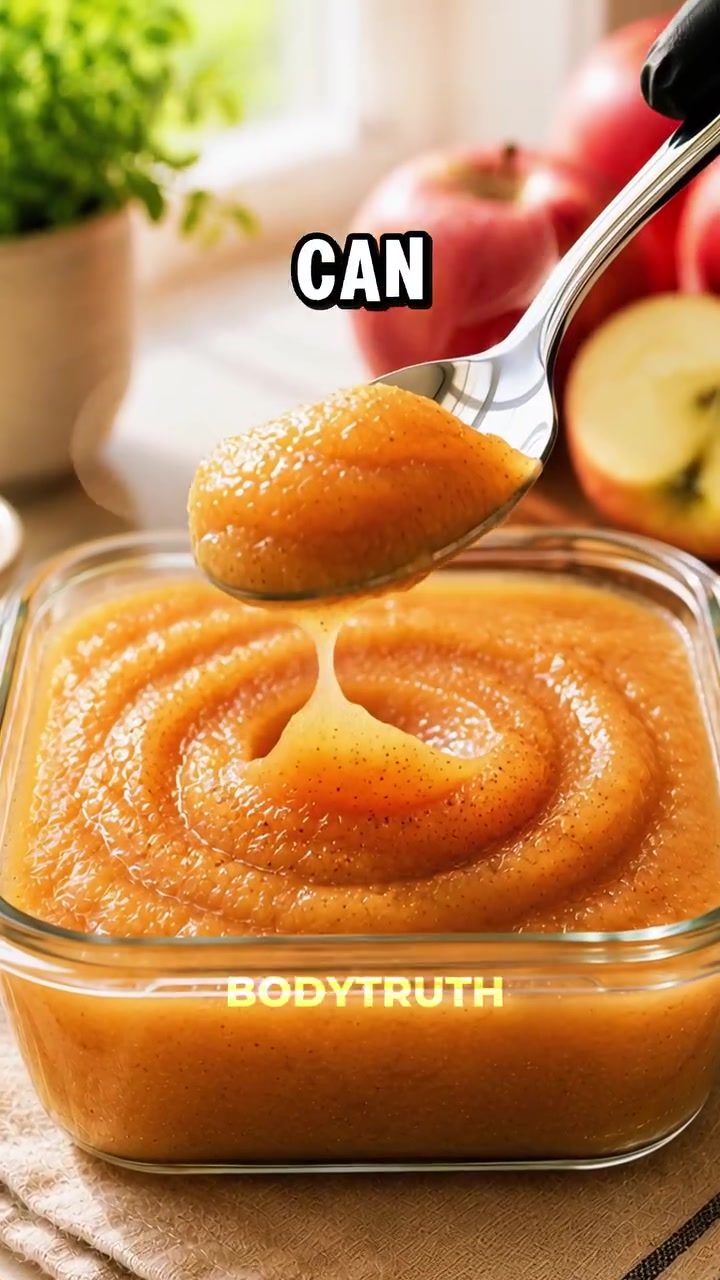
Homemade Applesauce in 20 Minutes
Homemade applesauce is both easy and incredibly rewarding. The key to making a fresh, naturally sweet, and comforting batch lies in a few simple steps. Fresh apples, a touch of maple syrup, a dash of cinnamon, and a bit of vanilla extract come together to create something far superior to any jarred variety.
Why This Matters
Applesauce is a versatile condiment or side dish that complements many meals. Whether you enjoy it warm, chilled, or mixed with other dishes, making it at home ensures a pure, natural flavor. This recipe takes less than 20 minutes from start to finish, making it perfect for busy schedules.
Creating Your Homemade Applesauce
Ingredients and Preparation
Prepping the Apples
The first step is to peel and chop your apples. The type of apple can influence the final flavor and texture, but any variety will work. For a sweeter sauce, opt for sweeter apples like Gala or Fuji. If you prefer a tangier sauce, choose Granny Smith. For a balanced flavor, go for Honeycrisp or Jonagold.
Cooking the Apples
Once your apples are chopped, add them to a saucepan with a touch of maple syrup, cinnamon, vanilla extract, a squeeze of lemon juice, and a splash of water. Simmer the mixture for about 15 to 20 minutes. This will soften the apples and allow the flavors to meld.
Blending or Mashing
After simmering, use a food processor or a potato masher to blend or mash the apples until you reach your desired consistency. Some people prefer a chunkier texture, while others enjoy a smooth, creamy sauce. A food processor will give you a smoother result, perfect for those who enjoy a velvety texture.
Variations and Add-ins
The basic recipe can be modified to suit your tastes. Consider adding these extras for a twist:
Spices
- Nutmeg: A pinch of nutmeg can add a warm, slightly sweet flavor.
- Ginger: For a bit of zing, add a small piece of fresh ginger to the saucepan.
- Allspice: This spice can complement the cinnamon and add depth to your applesauce.
Fruits
- Berries: Adding a handful of fresh or frozen berries can intensify the fruit flavor and add color.
- Pears: Similar to apples, pears blend well and add a unique flavor.
Sweeteners
- Honey: Substitute maple syrup with honey for a different sweetness profile.
- Brown Sugar: This can add a richer, molasses-like flavor.
Practical Tips
Choosing the Right Apples
Selecting the right apples is crucial. If you prefer a sweeter applesauce, opt for sweet apples such as Fuji or Gala. For a tangier sauce, go with Granny Smith. Golden Delicious or Honeycrisp apples offer a balanced flavor.
Consistency
Whether you prefer a smooth or chunky applesauce, the method of achieving your desired consistency is important. For a smooth applesauce, using a food processor is ideal. For a chunkier texture, mashing with a potato masher works well. Keep in mind that over-processing can break down the fruit's fibers, making the sauce runny.
Storage
Store your homemade applesauce in an airtight container in the refrigerator. It will keep for about a week. Alternatively, you can freeze it in portions for longer-term storage. Simply thaw and stir before serving. This is particularly useful if you find yourself with an excess of apples and want to make a large batch to enjoy later.
Serving Suggestions
Homemade applesauce is a versatile accompaniment to many dishes. Consider these serving ideas:
- Oatmeal: Stir a spoonful of applesauce into your oatmeal for added flavor and moisture.
- Pancakes and Waffles: Use it as a topping or mix it into the batter for a fruity twist.
- Yogurt: Stir a dollop of applesauce into your yogurt for a sweet, tangy breakfast.
- Meat Dishes: Applesauce pairs well with pork and chicken, adding a touch of sweetness and acidity.
- Baking: Use it as a substitute for oil or eggs in baking recipes to add moisture and flavor.
Important Takeaways
Homemade applesauce is not only easier to make than you might think but also far superior in flavor to store-bought varieties. The natural sweetness of fresh apples, combined with a few key spices and a touch of maple syrup, creates a comforting and fresh sauce. Whether you enjoy it on its own or as a complement to other dishes, making your own applesauce is a rewarding experience.
Conclusion
Take advantage of the ease and versatility of homemade applesauce. With just a few ingredients and simple steps, you can create a delicious, natural product that will elevate your meals and snacks. Try experimenting with different apple varieties, spices, and sweeteners to find your perfect blend.
Watch the Reel
Questions readers ask
Can I use any type of apple for this 20-minute applesauce recipe?
You can use a variety of apples for this recipe, but sweeter apples like Gala, Fuji, or Honeycrisp will give you the best flavor. If you prefer a tangier applesauce, consider using Granny Smith apples. Using a mix of sweet and tart apples can also create a balanced flavor.
What if I don't have maple syrup? Can I substitute it with something else?
If you don't have maple syrup, you can substitute it with honey, agave syrup, or even a bit of granulated sugar. Each of these will add a slightly different flavor profile, so choose based on your preference. Remember to adjust the quantity to taste.
How can I achieve a smooth applesauce consistency?
To make your applesauce smooth, you can use an immersion blender or a regular blender to puree the cooked apples. For a chunkier applesauce, simply mash the apples with a potato masher or fork before blending. If you prefer applesauce with chunks, you can control the size of the chunks with a potato masher.
Can I make this applesauce recipe without a stove?
Yes, you can make this applesauce in a slow cooker or crockpot over a longer period. Adjust the cooking time to ensure the apples cook through and soften. This method will require more time, but it's a convenient hands-off approach.
What can I do with leftover applesauce?
Leftover applesauce can be stored in an airtight container in the refrigerator for up to a week. It can be used as a topping for oatmeal, pancakes, or yogurt, or as a side dish for meals. Additionally, it can be frozen for up to 3 months.
Can I adjust the spice level in this applesauce recipe?
Absolutely! If you prefer a more robust spice flavor, you can increase the amount of cinnamon. You can also experiment with adding other spices like nutmeg or allspice for added depth. Start with small increments to avoid overpowering the natural apple flavor.
What is the benefit of making homemade applesauce over buying it?
Making homemade applesauce allows you to control the ingredients and avoid any added preservatives or artificial flavors. It’s also a cost-effective option, especially if apples are in season. Plus, the fresh taste and aroma of homemade applesauce are unmatched by store-bought varieties.
Recent articles
Fresh deep dives from the latest Reels we unpacked.




Comments
Be the first to comment.