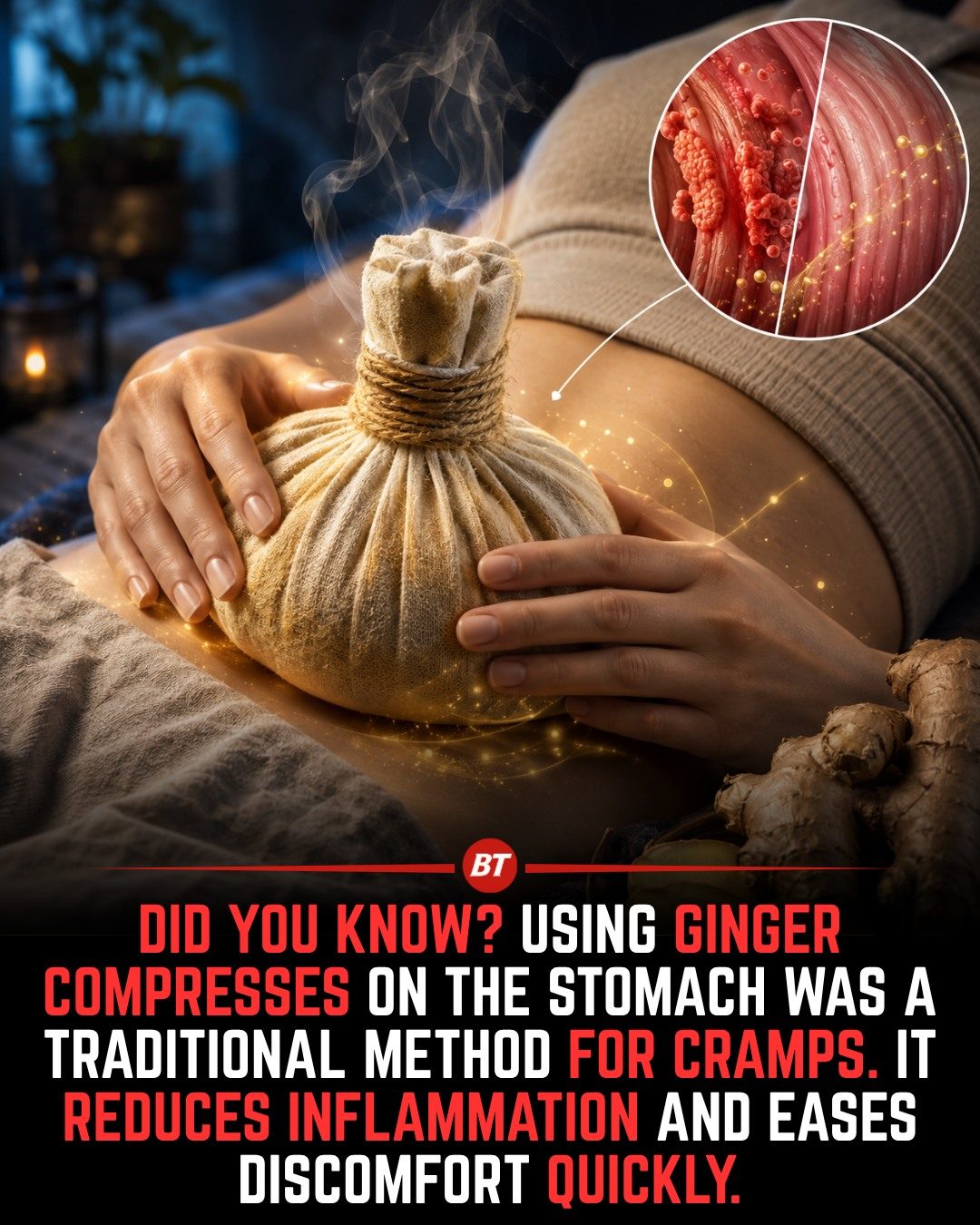
Ginger Compress for Cramps
Ginger compresses provide a natural, traditional remedy for soothing stomach discomfort and menstrual cramps. This approach combines the benefits of warmth and the natural compounds found in ginger to ease inflammation and pain.
Why this matters
In today's world, where modern heating pads and over-the-counter pain relievers are commonplace, it's easy to overlook ancient remedies. But ginger compresses, a tradition that has stood the test of time, offer a simple, natural method for addressing common issues like stomach cramps and menstrual discomfort. By understanding the science behind this traditional remedy, one can gain a deeper appreciation for its potential benefits and how it fits into modern health practices.
The Science Behind Ginger Compresses
Ancient Traditions Meet Modern Science
Ginger has been used for centuries in various traditional healing systems to manage a range of ailments, including cramps and inflammation. Recent scientific research has begun to shed light on why ginger might be effective. Ginger contains bioactive compounds called gingerols and shogaols, which have been shown to influence the body's inflammatory pathways. These compounds can help reduce the production of inflammatory chemicals involved in pain, making ginger a potent natural remedy.
The Role of Ginger Compounds
Laboratory and clinical research has delved into the mechanisms behind ginger's pain-relieving properties. Studies have found that:
- Gingerols and Shogaols: These compounds are believed to interact with inflammatory pathways in the body, reducing the production of chemicals that cause pain and inflammation.
- Anti-Inflammatory Effects: Ginger's anti-inflammatory properties help to soothe muscle tension and reduce discomfort, making it a viable option for those seeking natural pain relief.
- Muscle Relaxation: The warmth of a ginger compress, coupled with the natural plant compounds, can help relax muscles and ease discomfort.
Research on Ginger's Efficacy
Scientific studies have explored the effectiveness of ginger in various forms. For example:
- Oral Ginger: Research published in journals such as Pain Medicine, Nutrients, and the Journal of Alternative and Complementary Medicine has found that oral ginger can help reduce menstrual pain and other inflammatory discomforts. This suggests that the natural compounds in ginger are effective in alleviating pain.
- Ginger Compresses: While specific research on ginger compresses is more limited, small studies and traditional use indicate that they may provide temporary relief, especially when combined with warmth. The soothing effects of both the ginger and the heat can offer a natural, non-invasive way to manage cramps and discomfort.
The Benefits of Ginger Compresses
Instant Discomfort Relief
Ginger compresses are known for their ability to provide quick relief from discomfort. The warm compress can help to:
- Reduce Inflammation: By directly applying a ginger compress to the abdomen, the warmth can help to reduce localized inflammation.
- Ease Muscle Tension: The combination of heat and ginger compounds can relax tight muscles, which is particularly beneficial during menstrual cramps or stomach discomfort.
Versatility in Application
One of the key advantages of a ginger compress is its versatility. It can be used for various types of discomfort:
- Menstrual Cramps: Applying a ginger compress to the lower abdomen can help alleviate menstrual pain by relaxing the uterine muscles and reducing inflammation.
- Stomach Discomfort: For those experiencing stomach cramps or bloating, a ginger compress can provide soothing relief by relaxing the abdominal muscles and reducing gas.
Easy to Prepare
Ginger compresses are simple to make at home, requiring only a few basic ingredients:
- Fresh Ginger: Slice fresh ginger root and simmer it in water for 10–15 minutes.
- Clean Cloth: Soak a clean cloth in the warm liquid, wring it out, and place it over the abdomen for 15–20 minutes.
- Optional Additions: Some people choose to add essential oils or other herbs to enhance the soothing effects.
Practical Tips for Using a Ginger Compress
Preparation
To get the most out of your ginger compress, follow these steps:
- Gather Ingredients: Start with a small piece of fresh ginger root and a clean cloth.
- Simmer Ginger: Slice the ginger and simmer it in water for 10–15 minutes. This will help to release the beneficial compounds.
- Soak the Cloth: Remove the ginger from the water and soak the cloth in the warm liquid.
- Apply the Compress: Wring out the cloth and place it over the affected area. Secure it with a bandage or wrap if necessary.
Enhancing the Experience
For an even more soothing experience, consider these tips:
- Add Essential Oils: A few drops of lavender or peppermint oil can add a relaxing aroma and enhance the benefits.
- Combine with Heat Therapy: Use a heating pad or warm water bottle in conjunction with the ginger compress for added warmth.
- Stay Comfortable: Lie down in a comfortable position and relax while the compress works its magic.
Important Takeaways
Ginger as a Natural Remedy
Ginger compresses offer a natural, non-invasive way to manage discomfort and inflammation. By harnessing the power of ginger's bioactive compounds, this traditional remedy can provide effective relief for various ailments.
Complementary Approach
While ginger compresses can be a helpful addition to your wellness routine, they should not replace medical care. Always consult a healthcare provider for severe, persistent, or unusual symptoms.
Enhancing Wellness Naturally
Incorporating a ginger compress into your wellness routine can be a simple yet powerful way to manage discomfort. From menstrual cramps to stomach aches, this natural remedy offers a soothing solution.
Conclusion
Ginger compresses provide a time-honored, natural solution for easing discomfort and inflammation. By combining the benefits of heat and ginger's bioactive compounds, this traditional remedy can offer effective relief for a range of ailments. Whether you're dealing with menstrual cramps or stomach discomfort, a ginger compress can be a simple and soothing addition to your wellness routine.
Watch the Reel
Questions readers ask
What makes ginger an effective remedy for stomach cramps and menstrual discomfort?
Ginger contains natural anti-inflammatory compounds, such as gingerols and shogaols, which help reduce inflammation and ease pain. These compounds, when combined with the soothing warmth of a compress, create an effective remedy for alleviating cramps and menstrual discomfort.
How do I prepare a ginger compress for cramp relief?
To prepare a ginger compress, grate a small piece of fresh ginger and steep it in hot water for about 10 minutes. Soak a clean cloth in the ginger-infused water, wring it out, and apply it to the affected area. Make sure the compress is warm, not hot, to avoid skin irritation.
Can a ginger compress replace medication for menstrual cramp relief?
While a ginger compress can provide significant relief for many people, it may not be sufficient for everyone, especially those with severe menstrual cramps. It is advisable to consult a healthcare professional to determine the best course of treatment, which may include a combination of natural remedies and medications.
How often can I use a ginger compress for stomach cramps relief?
You can use a ginger compress as often as needed, but it's important to ensure the ginger is fresh and the compress is not too hot. You can apply the compress for 15-20 minutes at a time, and repeat as necessary. Do not exceed 2-3 applications in a 24-hour period.
What are the benefits of using a warm compress for cramps?
A warm compress increases blood flow to the affected area, which can help relax the muscles and reduce cramping. The warmth also has a soothing effect, which can provide immediate relief and a calming sensation. The combination of warmth and the anti-inflammatory properties of ginger enhances the overall effectiveness of the treatment.
Are there any precautions to take when using a ginger compress?
It's important to ensure the compress is not too hot to avoid burning the skin. Also, if you have sensitive skin or allergies, you may want to do a patch test first. Additionally, if you are pregnant or breastfeeding, consult a healthcare provider before using a ginger compress, as ginger can have strong effects on the body.
Can I use dried ginger instead of fresh ginger for a ginger compress?
While fresh ginger is typically more potent, dried ginger can be used as an alternative. To make a compress with dried ginger, use about 1 teaspoon of dried ginger per cup of hot water. Steep for 10-15 minutes, and then follow the same steps as you would with fresh ginger. The effectiveness may vary, so you might need to experiment with the amount of dried ginger used.
Related deep dives
Similar reads based on topic and creator.




Recent articles
Fresh deep dives from the latest Reels we unpacked.




Comments
Be the first to comment.