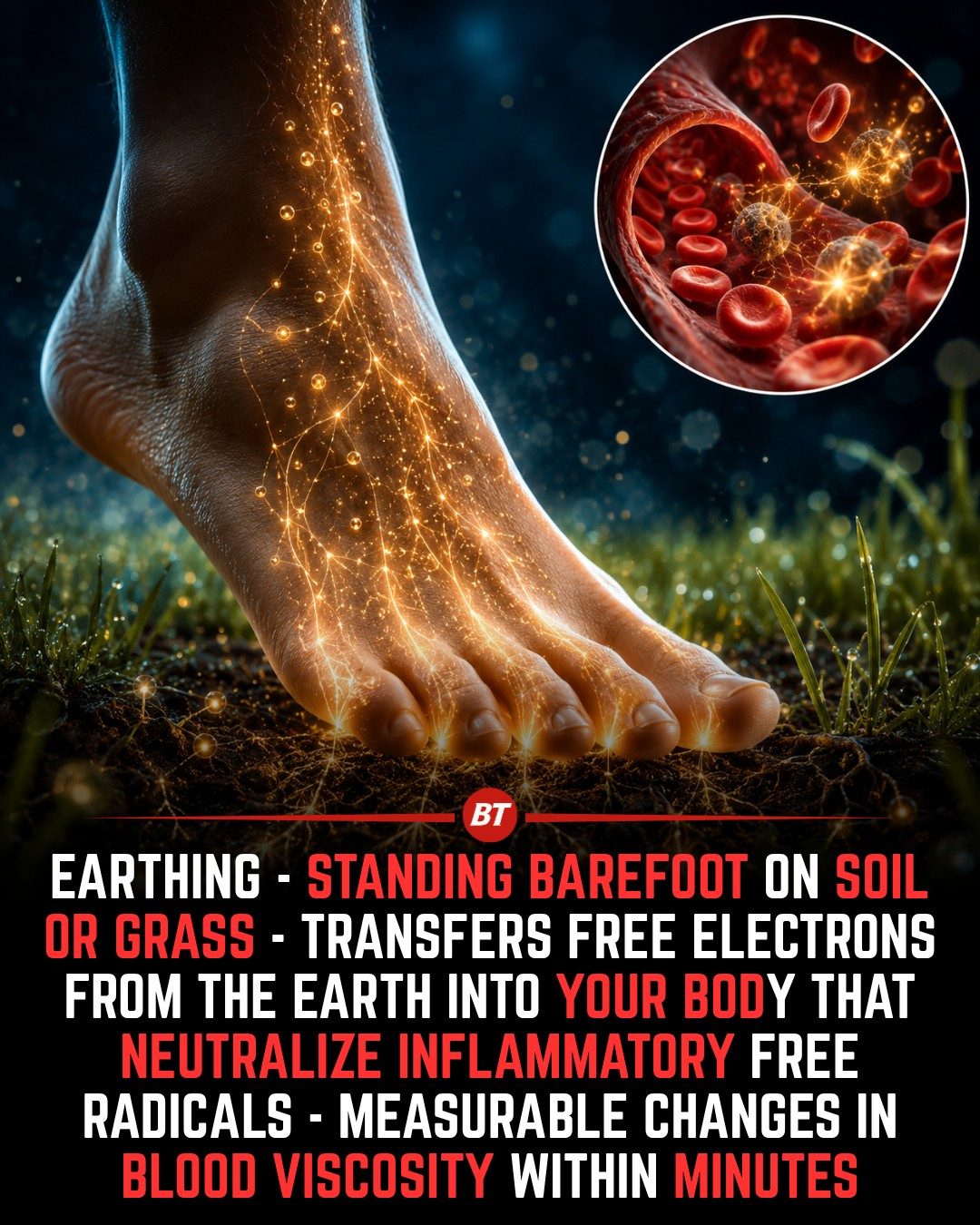
Earthing and Grounding: Connecting to the Earth
Earthing, also known as grounding, involves placing your bare feet in direct contact with natural surfaces like soil, grass, sand, or unpainted rock. This simple act connects your body to the Earth, allowing for the transfer of free electrons. This process is believed to neutralize inflammatory free radicals and induce measurable changes in blood viscosity within minutes.
Earthing is not a new concept. For generations, many cultures have believed that walking barefoot on the earth helped restore balance to the body, and today, modern science is revealing why. The earth is a natural source of free electrons, and when you make direct contact with it, these electrons can be transferred to your body. This interaction may help regulate oxidative stress and inflammation, both of which are associated with a wide range of health issues.
Why This Matters
In modern times, many of us spend most of our lives indoors, separated from direct contact with the earth by shoes, floors, and other barriers. This disconnection has led some people to speculate about the potential health benefits of re-establishing this natural connection. While the idea of earthing might sound like a trendy wellness fad, there is growing scientific interest and research backing its potential benefits.
The Science Behind Earthing
Oxidative Stress and Free Radicals
Oxidative stress occurs when there is an imbalance between the production of free radicals and the body's ability to counteract or detoxify their harmful effects through neutralization by antioxidants. Free radicals are unstable molecules that can damage cells, and they are associated with a variety of health issues, including inflammation, aging, and chronic diseases.
Earthing is thought to help neutralize these free radicals by providing the body with a supply of free electrons from the earth. This process may help to reduce oxidative stress and inflammation.
Blood Viscosity and Circulation
Blood viscosity refers to the thickness and stickiness of blood. High blood viscosity can impair circulation, leading to a variety of health problems, including cardiovascular disease. Some studies have suggested that earthing may help to decrease blood viscosity, improving circulation and overall cardiovascular health.
Inflammation and Pain Reduction
Inflammation is a natural response to injury or infection, but chronic inflammation can contribute to a wide range of health issues, including arthritis, heart disease, and even depression. Earthing has been proposed as a way to help reduce inflammation in the body, potentially alleviating symptoms of these conditions.
Earthing in Practice
Grounding Techniques
To fully experience the potential benefits of earthing, it's essential to make direct contact with the earth. Here are some grounding techniques you can try:
- Walking Barefoot: One of the simplest ways to ground yourself is to walk barefoot on natural surfaces like grass, soil, or sand.
- Sitting or Lying on the Ground: If walking is not an option, simply sit or lie down on the earth with bare skin in direct contact.
- Gardening: Engaging in gardening activities can also provide opportunities for grounding, as you dig, plant, and tend to your garden.
- Swimming in Natural Bodies of Water: Swimming in lakes, rivers, or oceans can also offer grounding benefits, as water conducts electrons from the earth.
Practical Tips
To incorporate earthing into your daily life, consider the following tips:
- Find a Quiet Spot: Look for a quiet, natural spot in your backyard, a local park, or a nearby beach. Remember, this practice encourages a calm, mindful connection to nature.
- Set Aside Time: Spend 20-30 minutes grounding yourself. This can be done daily or as often as possible.
- Unplug: Disconnect from electronic devices so that you can fully immerse yourself in the experience.
- Mindfulness: Be present and mindful during your grounding sessions. Focus on your connection to the earth and the sensations you feel.
- Consistency: Make grounding a consistent part of your routine for the best results.
Important Takeaways
- Natural Healing: Earthing taps into the natural healing power of the earth, offering a simple and accessible way to support overall health and well-being.
- Immediate Benefits: Some studies have reported measurable changes in blood viscosity and reduced inflammation within minutes of grounding, suggesting that the benefits can be felt quickly.
- Holistic Approach: While more research is needed to fully understand the mechanisms behind earthing, it offers a holistic approach to health and wellness that complements traditional medical treatments.
- Mind-Body Connection: Grounding encourages a deeper connection to nature, which can have positive effects on both physical and mental health.
Conclusion
Earthing, or grounding, is a simple and natural practice that involves making direct contact with the earth. This practice is believed to transfer free electrons from the earth into the body, potentially neutralizing inflammatory free radicals and supporting overall health. By spending time barefoot on natural surfaces, you can experience the grounding benefits and enjoy a deeper connection to nature. Whether you're looking to reduce inflammation, improve circulation, or simply enjoy the calming effects of being outdoors, earthing offers a practical and accessible way to support your well-being.
Watch the Reel
Questions readers ask
What are the key benefits of earthing or grounding?
Earthing or grounding is believed to help reduce inflammation and oxidative stress by allowing the body to absorb free electrons from the earth. This can potentially alleviate symptoms of various health issues, improve sleep, and enhance overall well-being. Additionally, it may help regulate blood viscosity, which can impact cardiovascular health.
How does earthing or grounding work scientifically?
When you make direct skin contact with the earth, free electrons from the earth's surface are transferred to your body. These electrons act as antioxidants and can neutralize free radicals, which are known to cause inflammation and cell damage. This process is what gives earthing or grounding its potential health benefits.
What is the difference between earthing and grounding?
The terms 'earthing' and 'grounding' are often used interchangeably, and they both refer to the practice of connecting directly with the earth. However, 'earthing' is more commonly associated with the specific practice of walking barefoot outdoors on natural surfaces like soil, grass, or sand, whereas 'grounding' can refer to any method that achieves the same result, including the use of conductive devices indoors.
What are some grounding techniques I can use daily?
Some grounding techniques include walking barefoot outdoors on natural surfaces, using an earthing mat or grounding sheet while sleeping or working, or even using earthing shoes that have conductive soles. Regular practice of these techniques can help ensure consistent exposure to the earth's free electrons.
Can I use earthing mats indoors to get the same benefits as barefoot earthing outdoors?
Yes, earthing mats are designed to replicate the benefits of barefoot earthing outdoors by providing a conductive surface that allows you to absorb free electrons from the earth indoors. They can be used while sleeping, working, or relaxing. However, the specific benefits may vary depending on the quality and conductivity of the mat.
Are there any specific health conditions that earthing or grounding can help with?
While more research is needed, some studies suggest that earthing or grounding may help alleviate symptoms of conditions related to inflammation and oxidative stress, such as chronic pain, sleep disorders, and cardiovascular issues. However, it is important to consult with a healthcare provider before starting any new health regimen.
What are the best earthing mats to use?
When choosing an earthing mat, look for products made with high-quality, conductive materials like silver or carbon. Some of the best earthing mats offer features like durability, portability, and compatibility with various surfaces. It's also important to consider your specific needs and preferences, such as size, design, and any additional features like USB ports for grounding electronic devices.
Related deep dives
Similar reads based on topic and creator.




Recent articles
Fresh deep dives from the latest Reels we unpacked.



Comments
Be the first to comment.