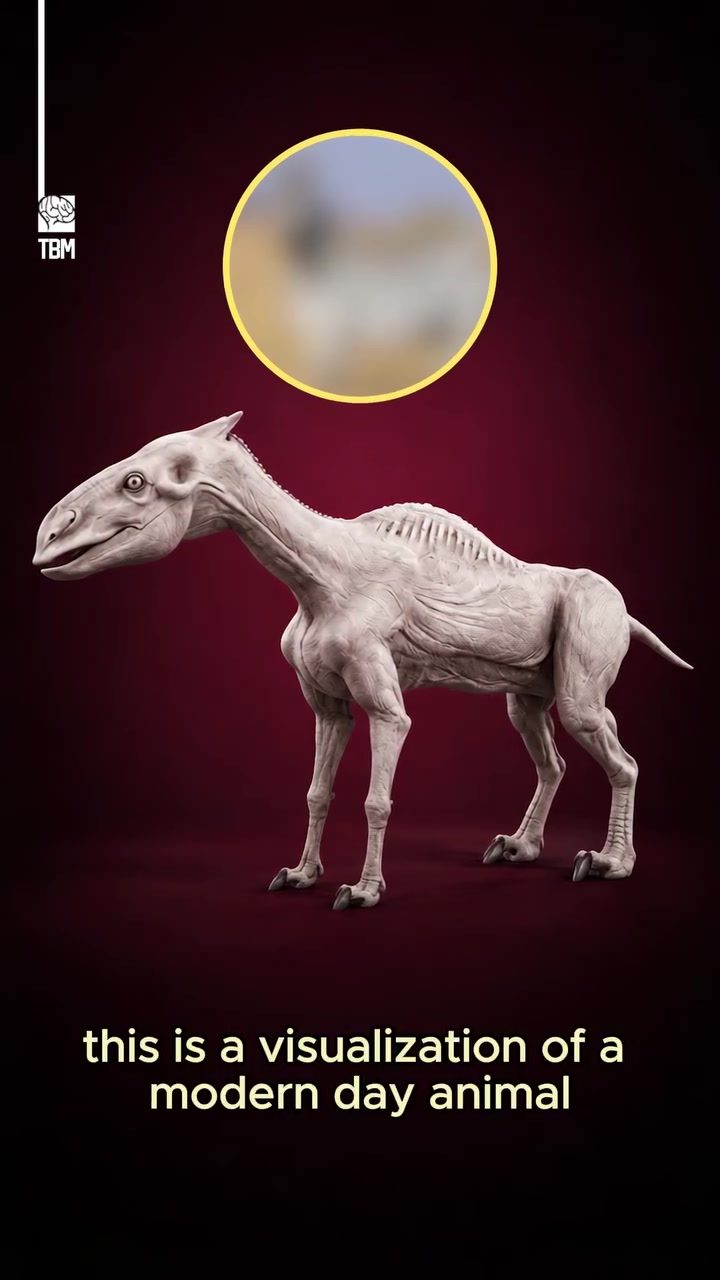
Dinosaur Visualization Techniques
Dinosaurs are often depicted as skeletal monsters, with little more than bones and skin. This is not entirely accurate because they likely had greater muscle mass, fatty tissue, loose skin, lips, feathers, and other features that cannot be determined from bones alone. Let's explore the techniques used to visualize these ancient creatures and how they have evolved over time.
Context / Why this matters
Understanding dinosaur visualization techniques is crucial for interpreting past artistic renderings and gaining a more accurate picture of what these ancient creatures might have looked like. The evolution of these techniques reflects advancements in scientific knowledge and visualization technologies. They have allowed scientists to provide a more accurate depiction of the creatures that roamed the earth millions of years ago.
Main discussion
The Shrink-Wrapping Method
One of the methods used to visualize dinosaurs is known as "shrink-wrapping." This method involves drawing the skin tightly over the skeleton, with very little muscle, fat, or loose tissue. This technique was commonly used by early scientific illustrators. Because bones fossilize more easily than soft tissues, dinosaurs were often depicted as thin, skeletal monsters rather than fully developed animals. This method can make it challenging to recognize familiar animals like a zebra, a baboon, and a hippopotamus. It is important to note that this technique is only effective for depicting the loose tissue that is not visible in fossilized bones.
Understanding the Limitations
While the shrink-wrapping method provides a basic framework for visualizing dinosaurs, it has significant limitations. This method does not account for the muscle mass, fatty tissue, loose skin, lips, or feathers that dinosaurs likely possessed. These features would have given dinosaurs a more rounded and lifelike appearance, making them less like skeletal monsters and more like the fully developed animals they were.
Evolving Techniques
Modern visualization techniques have advanced significantly, allowing for more accurate and detailed depictions of dinosaurs. These techniques often involve reconstructing the muscle and soft tissue structures that are not directly visible in fossils. Scientists use a combination of fossil evidence, comparative anatomy, and advanced imaging technologies to create more lifelike and accurate visualizations. For example, modern depictions of dinosaurs often include features like feathers, which were once thought to be exclusive to birds. These advancements have transformed our understanding of dinosaur anatomy and behavior, providing a more complete picture of these ancient creatures.
Practical tips
Recognizing Visualization Techniques
When viewing dinosaur illustrations and reconstructions, it is essential to recognize the visualization techniques used. Older depictions often rely on the shrink-wrapping method, which can be misleading. Look for indications of muscle mass and soft tissue, which are essential for a more accurate representation. Understanding the limitations of the visualization methods can help you appreciate the advancements in scientific illustration and appreciate the true diversity of dinosaur species.
Evaluating Accuracy
When evaluating the accuracy of a dinosaur visualization, consider the following factors:
- Anatomical Accuracy: Check if the depiction includes muscle mass, fatty tissue, and other soft tissues. These features are crucial for a realistic representation.
- Sources and Evidence: Look for information on the sources and evidence used to create the visualization. Reliable sources and evidence, such as fossil records and comparative anatomy, can significantly enhance the accuracy of the depiction.
- Modern Techniques: Consider whether modern visualization techniques, such as advanced imaging and 3D modeling, were used. These techniques can provide a more detailed and accurate representation of dinosaur anatomy and behavior.
Modern Visualization Techniques
Modern visualization techniques often involve a combination of fossil evidence, comparative anatomy, and advanced imaging technologies. These techniques allow for the creation of more accurate and detailed depictions of dinosaurs, including features like feathers, which were once thought to be exclusive to birds. By using these techniques, scientists can provide a more complete picture of dinosaur anatomy and behavior, enhancing our understanding of these ancient creatures.
Important takeaways
Dinosaur visualization techniques have evolved significantly, from the early shrink-wrapping method to modern, detailed reconstructions. Understanding these techniques and their limitations is crucial for interpreting past artistic renderings and gaining a more accurate picture of what dinosaurs might have looked like. Modern visualization techniques, which incorporate muscle mass, fatty tissue, and other soft tissues, provide a more realistic and detailed representation of these ancient creatures.
Conclusion
Visualizing dinosaurs is a complex process that involves a combination of fossil evidence, comparative anatomy, and advanced imaging technologies. By recognizing the techniques used and evaluating their accuracy, you can gain a deeper understanding of dinosaur anatomy and behavior. Modern visualization techniques provide a more accurate and detailed representation of these ancient creatures, enhancing our appreciation of their true diversity and complexity.
Watch the Reel
Questions readers ask
What is the 'shrink-wrapping' technique in dinosaur art?
The 'shrink-wrapping' technique is an early method used to visualize dinosaurs. It involved essentially wrapping a thin layer of skin around the bones, creating a very accurate but incomplete representation. This technique often led to misinterpretations, as it didn't account for muscle mass, fatty tissue, or other soft features.
How did early dinosaur art contribute to misconceptions about dinosaur appearance?
Early dinosaur art, relying heavily on the 'shrink-wrapping' technique, portrayed dinosaurs primarily as skeletal creatures with little skin. This led to misconceptions because it did not account for the significant muscle mass, fatty tissue, and other soft tissues that would have been present. It also overlooked features like feathers and lips which might have been common.
What advancements have been made in modern dinosaur visualization?
Modern visualization techniques have evolved to incorporate more data and scientific understanding. These include using computer-generated imagery (CGI) to model muscle mass, fatty tissue, and other soft features. These methods produce more accurate and detailed representations of dinosaurs, helping scientists and artists provide a more comprehensive understanding of what these creatures looked like.
Why is understanding dinosaur visualization techniques important?
Understanding the evolution of dinosaur visualization techniques is vital for interpreting past artistic renderings and appreciating advancements in scientific knowledge. By studying how these techniques have evolved, we can better grasp the complexities of dinosaur anatomy and the challenges faced by early artists and scientists.
What are some common misconceptions about dinosaur anatomy in early art?
Early dinosaur art often portrayed dinosaurs with minimal muscle, fatty tissue, and other soft features. This led to the misconception that dinosaurs were merely skeletal creatures covered with a thin layer of skin. Additionally, features like feathers and loose skin were not accurately represented, contributing to a less detailed and sometimes inaccurate understanding of dinosaur anatomy.
How does the evolution of dinosaur visualization reflect advancements in science and technology?
The evolution of dinosaur visualization techniques mirrors advancements in scientific knowledge and technology. Early methods like 'shrink-wrapping' have given way to more sophisticated techniques, including CGI, which allow for the modeling of more complex anatomical features. This progression reflects a deeper understanding of dinosaur biology and the development of more accurate and detailed representations.
What role do muscles, skin, and other soft tissues play in modern dinosaur reconstructions?
In modern dinosaur reconstructions, muscles, skin, and other soft tissues are crucial for providing a more accurate portrayal of these ancient creatures. These features, which are often overlooked in early art, are now modeled using advanced techniques to create a more comprehensive and realistic representation of dinosaur anatomy and appearance.
Recent articles
Fresh deep dives from the latest Reels we unpacked.




Comments
Be the first to comment.