The freezer surprise
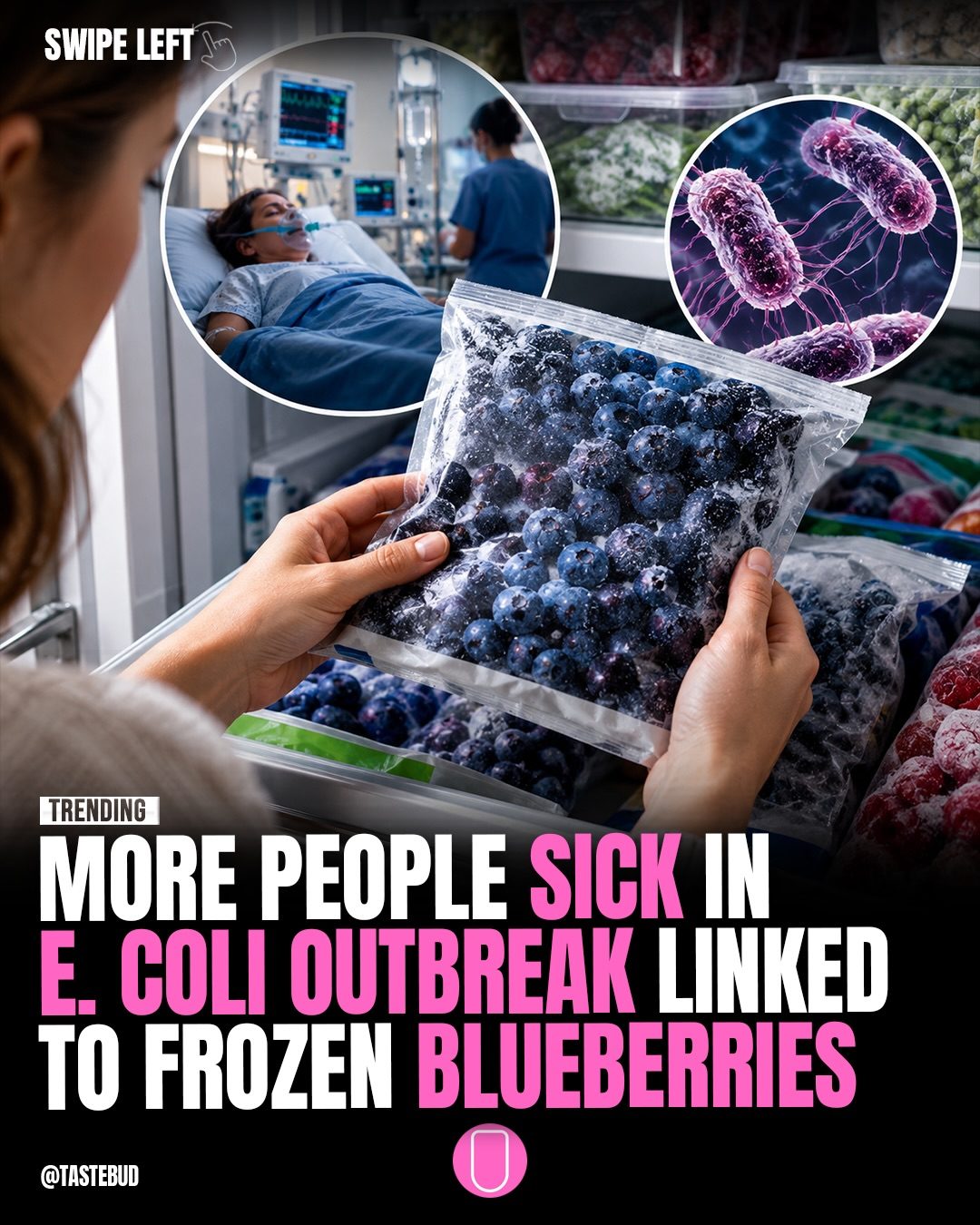
Food recalls can be an alarming window into food distribution. Officials have reported 17 illnesses and six hospitalizations, traced back to contaminated frozen blueberries. The bacteria responsible is E. coli. The blueberries were sold under the TASTEBUD brand and could be lurking in freezers. The listed "best by" dates run through 2028. This is a staggering period to handle a food recall as consumers are not compelled to check dates that far ahead.
The potential impact of the outbreak
Contaminated food is a significant public health threat, particularly since the symptoms are hard to trace. E. coli can cause severe health problems, including bloody diarrhea, dehydration and in severe cases kidney failure. E. coli outbreaks have been correlated with specific food products, over the years. The bacteria can survive in cold temperatures, making frozen food a risky vector. It is a warning about the potential for long-standing recalls to fail. The outbreak involves illnesses over a span of six months. Health officials used the cluster of illnesses to track down the source. The effective detection and communication of food recalls prevents additional infections.
Mitigation through awareness
For consumers, the outbreak serves as a stark reminder to vigilantly check and adhere to product recalls within the home. Relying on recall notices may not be enough. With such a long span for the product dates, consumers may have older, contaminated packs in storage.
Moving forward
The outbreak also underscores the need for vigilance in the food supply chain. Food producers need to be aware of how contaminated food may circulate and the need for accurate recall systems. The freeze-drying process might be a source of contamination. Produce processors and food distribution services need to take a closer look at this process.
Watch the Reel
Related deep dives
Similar reads based on topic and creator.
Recent articles
Fresh deep dives from the latest Reels we unpacked.


Comments
Be the first to comment.