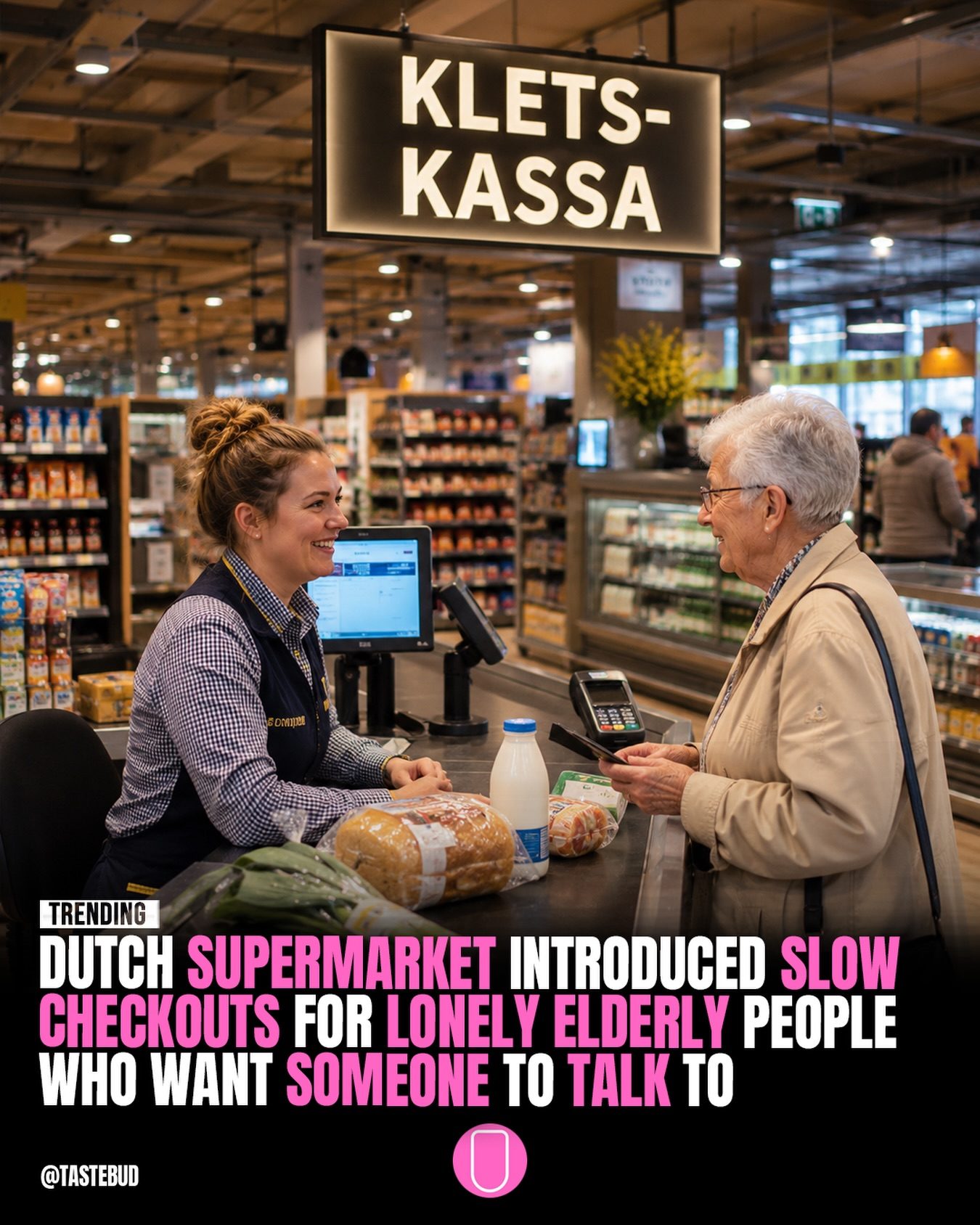
Slow Checkout Lanes: A Dutch Supermarket's Innovative Approach to Combating Loneliness
In the heart of the Netherlands, a supermarket chain has pioneered a unique initiative to combat loneliness, particularly among older customers. By introducing slower, more conversational checkout lanes, these supermarkets are transforming the everyday shopping experience into an opportunity for social connection. This initiative, started in 2019, has since expanded to hundreds of locations, proving that small changes can have a significant impact on social well-being.
The Concept and Its Origins
The idea was first implemented in a single town and quickly gained traction due to its positive reception. The concept is straightforward: instead of rushing customers through the checkout process, certain lanes are dedicated to encouraging conversation between customers and cashiers. This simple yet effective approach has brought a new dimension to the shopping experience, particularly for elderly customers who may feel isolated.
The initiative is as easy as it is impactful. Cashiers are encouraged to engage in conversation with customers, making the checkout process more personalized and less rushed. This not only adds a human touch to the transaction but also provides a much-needed social interaction for customers who might be feeling lonely.
The Expansion and Evolution
The success of the slow checkout lanes led to the creation of dedicated "chat corners" in some stores. These spaces offer a place for people to sit, talk, and connect over a cup of coffee. This addition enhances the social aspect of the shopping experience, making the supermarket a community hub rather than just a place to buy groceries. The initiative highlights how everyday places can be transformed to play a significant role in improving social well-being.
The Impact on Customers
The introduction of slow checkout lanes has had a positive impact on customers, particularly the elderly. For many older individuals, loneliness can be a significant issue. The slow checkout lanes and chat corners provide a solution by creating opportunities for social interaction in a setting where they already spend time.
Customers have appreciated the chance to engage in conversation with cashiers, who are trained to be approachable and friendly. This human connection, no matter how brief, can make a significant difference in a customer's day. The initiative has also encouraged a sense of community among customers, as they often find themselves sharing stories and experiences with fellow shoppers.
Practical Tips for Implementing Similar Initiatives
For retailers looking to implement similar initiatives, here are some practical tips:
-
Training Staff: Ensure that all staff, particularly those at the checkout, are trained to engage in conversation with customers. This doesn’t mean they should delay the checkout process, but rather, they should be able to strike up a friendly chat while scanning groceries.
-
Creating Dedicated Spaces: If possible, create designated areas for social interaction. These spaces can be as simple as a few chairs and a coffee machine, but they should provide a comfortable environment for customers to sit and chat.
-
Encouraging Community Involvement: Engage with local community groups to promote the initiative. This can help in creating a more inclusive environment and can also attract more customers who value community engagement.
-
Feedback and Adjustment: Regularly gather feedback from customers and staff to understand what works and what doesn’t. Be prepared to make adjustments based on this feedback to ensure the initiative remains relevant and effective.
Important Takeaways
The introduction of slow checkout lanes and chat corners in Dutch supermarkets serves as a reminder that small changes can have a significant impact on people's lives. By creating opportunities for social interaction, these supermarkets are not only enhancing the shopping experience but also playing a crucial role in improving the social well-being of their customers.
Conclusion
The Dutch supermarket chain's initiative to introduce slower, more conversational checkout lanes is a testament to how everyday places can be transformed to address significant social issues. By providing a space for social interaction, these supermarkets are not only enhancing the shopping experience but also contributing to the well-being of their community. This initiative serves as an inspiration for retailers worldwide, showing that small changes can have a big impact on people's lives.
Watch the Reel
Questions readers ask
How do conversational checkout lanes in Dutch supermarkets work?
Conversational checkout lanes in Dutch supermarkets operate by encouraging a slower, more engaging process. The cashiers are trained to engage customers in friendly conversation which creates a more social environment.
Who benefits most from these slower checkout lanes?
The initiative primarily benefits older customers who may be more prone to feelings of isolation. By fostering social connections, these lanes help combat loneliness among seniors.
How many Dutch supermarkets have adopted this practice?
Since its start in 2019, the initiative has expanded to hundreds of locations across the Netherlands, demonstrating the country's commitment to enhancing social well-being through thoughtful retail practices.
What is the goal of this initiative?
The primary goal of these conversational checkout lanes is to turn a routine shopping trip into a more meaningful and socially enriching experience, thereby reducing loneliness among customers, particularly the elderly.
How was the initiative first implemented?
The concept was first introduced in a single town in the Netherlands and quickly gained popularity due to its positive impact. The positive reception led to its expansion across numerous Dutch grocery stores.
What kind of impact has this initiative had on customers?
Customers, especially older adults, have reported feeling more connected and less lonely. The slower, more engaging process has made shopping a more enjoyable and fulfilling experience. This initiative has shown that small changes in retail practices can significantly enhance customer satisfaction and social interaction.
How can other supermarkets implement a similar initiative?
Other supermarkets can follow a similar approach by training staff to engage customers in conversation during the checkout process. Allocating extra time for each customer and encouraging a more relaxed checkout experience can foster a stronger sense of community and social interaction.
Related deep dives
Similar reads based on topic and creator.




Recent articles
Fresh deep dives from the latest Reels we unpacked.




Comments
Be the first to comment.