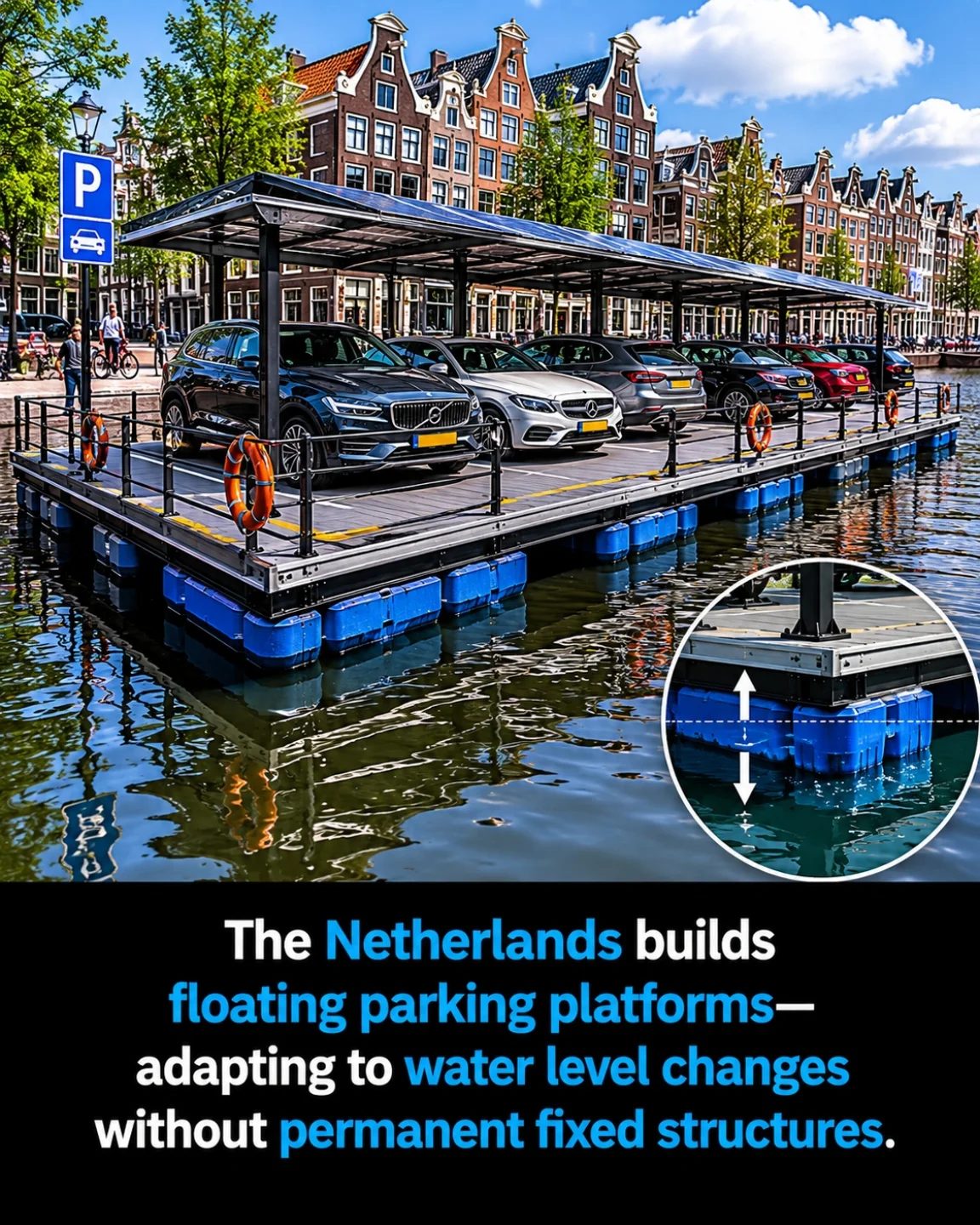
Floating Parking Platforms
Innovative parking solutions are becoming increasingly important in areas with fluctuating water levels and flood-prone regions. The Netherlands is at the forefront of this innovation with the development of floating parking platforms. These structures adapt to changing water levels, ensuring that parking spaces remain accessible and functional in dynamic environments. This unique approach to urban infrastructure addresses the challenges posed by rising sea levels and frequent flooding.
Why This Matters
As cities around the world grapple with the effects of climate change, the need for adaptable and resilient infrastructure has become crucial. Traditional parking solutions often require permanent fixed structures, which can be vulnerable to water damage and flooding. Floating parking platforms offer a more flexible and sustainable alternative, ensuring that urban spaces can continue to function effectively even as water levels fluctuate.
Main Discussion
The Design and Mechanics
Floating parking platforms are engineered to rise and fall with changing water levels. This mechanism involves a sophisticated design that allows the parking surface to remain stable and level, regardless of the water level below. The platforms are typically anchored to the seabed or shore with flexible mooring systems that accommodate vertical movement. This design ensures that the platforms can withstand the forces exerted by water and remain secure during high tides or storm surges.
Environmental Benefits
One of the key advantages of floating parking platforms is their environmental friendliness. By avoiding the construction of permanent fixed structures, these platforms reduce the environmental impact on coastal and waterfront areas. They also help preserve natural habitats and ecosystems that would otherwise be disrupted by traditional parking solutions. The adaptable nature of these platforms means they can be easily relocated or replaced, further minimizing their environmental footprint.
Cost-Effectiveness and Maintenance
While the initial investment in floating parking platforms may be higher than traditional parking solutions, the long-term benefits often outweigh the costs. These platforms require less maintenance and are less susceptible to water damage, reducing the need for frequent repairs and repairs. Additionally, their adaptability means they can be reused in different locations, making them a cost-effective solution for cities looking to optimize their parking infrastructure.
Practical Tips
Assessing Feasibility
When considering the implementation of floating parking platforms, it is essential to assess the feasibility of the site. Factors such as water depth, tidal range, and wave action should be carefully evaluated. Conducting a thorough site assessment will help determine the most suitable design and anchoring system for the platform.
Engaging Stakeholders
Successful implementation of floating parking platforms often relies on the engagement of various stakeholders, including local authorities, residents, and environmental groups. Building strong relationships with these stakeholders can help address concerns and ensure that the project meets the needs of the community. Public consultations and workshops can provide valuable insights and foster support for the initiative.
Ensuring Safety
Safety is a critical consideration when designing and constructing floating parking platforms. The platforms must be designed to withstand various environmental conditions, including strong winds, waves, and storms. Regular inspections and maintenance are necessary to ensure the platforms remain safe and functional over time. Incorporating safety features such as non-skid surfaces and emergency mooring systems can further enhance the safety of these structures.
Promoting Sustainability
Promoting sustainability is essential for the long-term success of floating parking platforms. This can be achieved through the use of eco-friendly materials and renewable energy sources. For example, solar panels can be integrated into the platform design to provide power for lighting and other amenities. Additionally, incorporating green spaces and water features can enhance the ecological value of the platform and create a more attractive environment for users.
Important Takeaways
Floating parking platforms represent a groundbreaking solution to the challenges posed by fluctuating water levels and flooding. By adapting to changing environmental conditions, these platforms ensure that parking spaces remain accessible and functional. Their design, environmental benefits, and cost-effectiveness make them a viable option for cities looking to enhance their urban infrastructure.
Conclusion
The development of floating parking platforms in the Netherlands showcases a forward-thinking approach to urban planning and infrastructure. By embracing innovative solutions, cities can build more resilient and sustainable environments that can withstand the challenges of a changing climate. Floating parking platforms are a testament to the power of adaptability and sustainability, offering a practical and effective solution to the complex issues facing modern urban areas.
Watch the Reel
Questions readers ask
How do floating parking platforms work in response to changing water levels?
Floating parking platforms are designed to rise and fall with the water level, ensuring that the surface remains level and accessible. This is achieved through a system of floats and moorings that allow the platform to adjust vertically, making it a dynamic solution for areas with fluctuating water levels.
What are the benefits of using floating parking platforms in urban areas?
Floating parking platforms offer several benefits, including adaptability to changing water levels, reduced risk of water damage, and improved space utilization. They provide a sustainable alternative to traditional fixed parking solutions, making them an excellent choice for cities dealing with rising sea levels and flooding.
Are floating parking platforms suitable for all types of vehicles?
Yes, these platforms are designed to accommodate a variety of vehicles, including cars, motorcycles, and even larger vehicles depending on the specific design. The platforms are sturdy and stable, ensuring safe and convenient parking for all types of road users.
What makes Dutch engineering stand out in the development of floating parking platforms?
Dutch engineers are renowned for their expertise in water management, given the country's extensive experience with water challenges. Their innovative approach to creating floating parking platforms is a testament to their ability to develop practical solutions for dynamic and unpredictable water environments.
How do floating parking platforms contribute to sustainable urban development?
Floating parking platforms promote sustainability by reducing the need for fixed structures that can be damaged by water. They also help cities adapt to climate change, making them a valuable tool for creating resilient and adaptable urban landscapes. Additionally, they can contribute to a reduction in urban heat island effects by providing open spaces above the water.
What kind of maintenance do floating parking platforms require?
Maintenance for floating parking platforms is generally straightforward. Regular inspections of the mooring systems and floats are necessary to ensure the platform's stability and functionality. Additionally, the surface of the platform should be maintained to prevent any wear and tear, similar to traditional parking surfaces.
Can floating parking platforms be implemented in areas without significant water level changes?
Yes, floating parking platforms can still be beneficial in areas with minimal water level changes. They offer the advantage of flexible use of space, as they can be easily disassembled and moved if needed. This makes them a versatile solution for various urban planning scenarios, not just those affected by rising sea levels.
Recent articles
Fresh deep dives from the latest Reels we unpacked.




Comments
Be the first to comment.