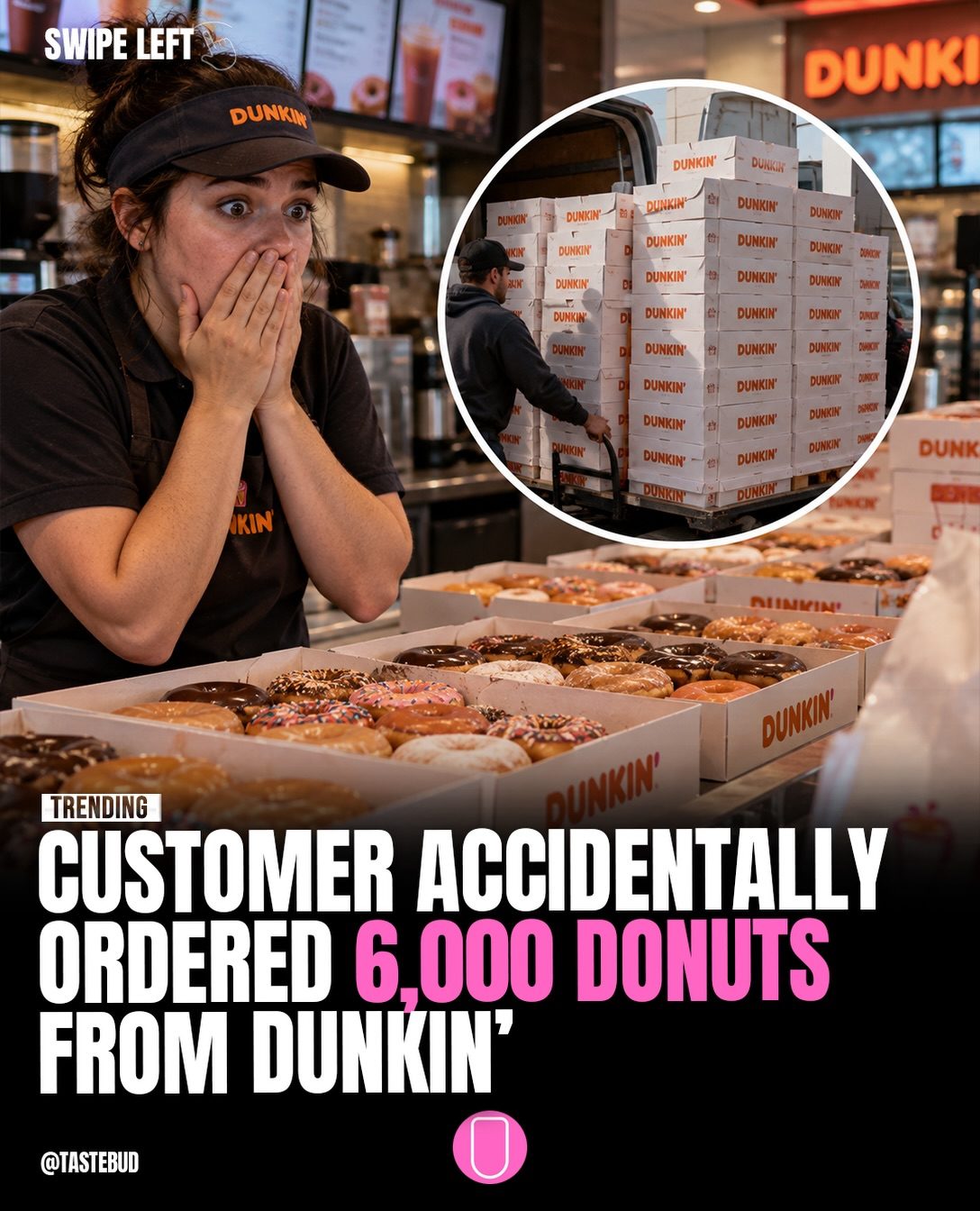
Human Error at Dunkin'
A simple mistake led to a deluge of donuts. Two extra zeroes tipped a modest 60-count order into a daunting six thousand. The error occurred at Dunkin', a large chain, that has over 12,000 locations across the United States alone. The doughnuts are the cornerstone of the Dunkin' menu, and the variety is vast. The ripple effect of human error spread the joy of given-away donuts to 7,000 people. The extra donuts were not left to spoil in bins. The store gave it away, ended up serving them.
The Science of Ordering Errors
The mix-up occurred through a simple typo. This time, a customer accidentally added two extra zeros, transforming a 60-donut order into a vast six-thousand unit. The error underlines the potential hazards of manual data entry when placing an order. The human mind is more likely to fail when the environment is monotonous, repetitive, or error-prone. When we repeat the same action, it is easy to miss even the most obvious mistakes. The error likely occurred due to a lack of automated checks in the ordering system. The customer's order went through without a verification step to catch the unusual quantity.
The Ohio Donut Surplus
The Dunkin' in Ohio ended up with 6,000 donuts that it did not need. The store then gave the extra donuts to the public — a windfall for locals. This example of human error can illustrate the disparity in quantity and order. The customer expected 60 donuts, but over a hundred times more were ordered. The Dunkin' in Ohio decided to give the excess donuts away to the public. The staff called their move a way to "share a bit of their problems with the community." This story of human error turned into a case of community spirit.
Watch the Reel
Related deep dives
Similar reads based on topic and creator.

Recent articles
Fresh deep dives from the latest Reels we unpacked.


Comments
Be the first to comment.