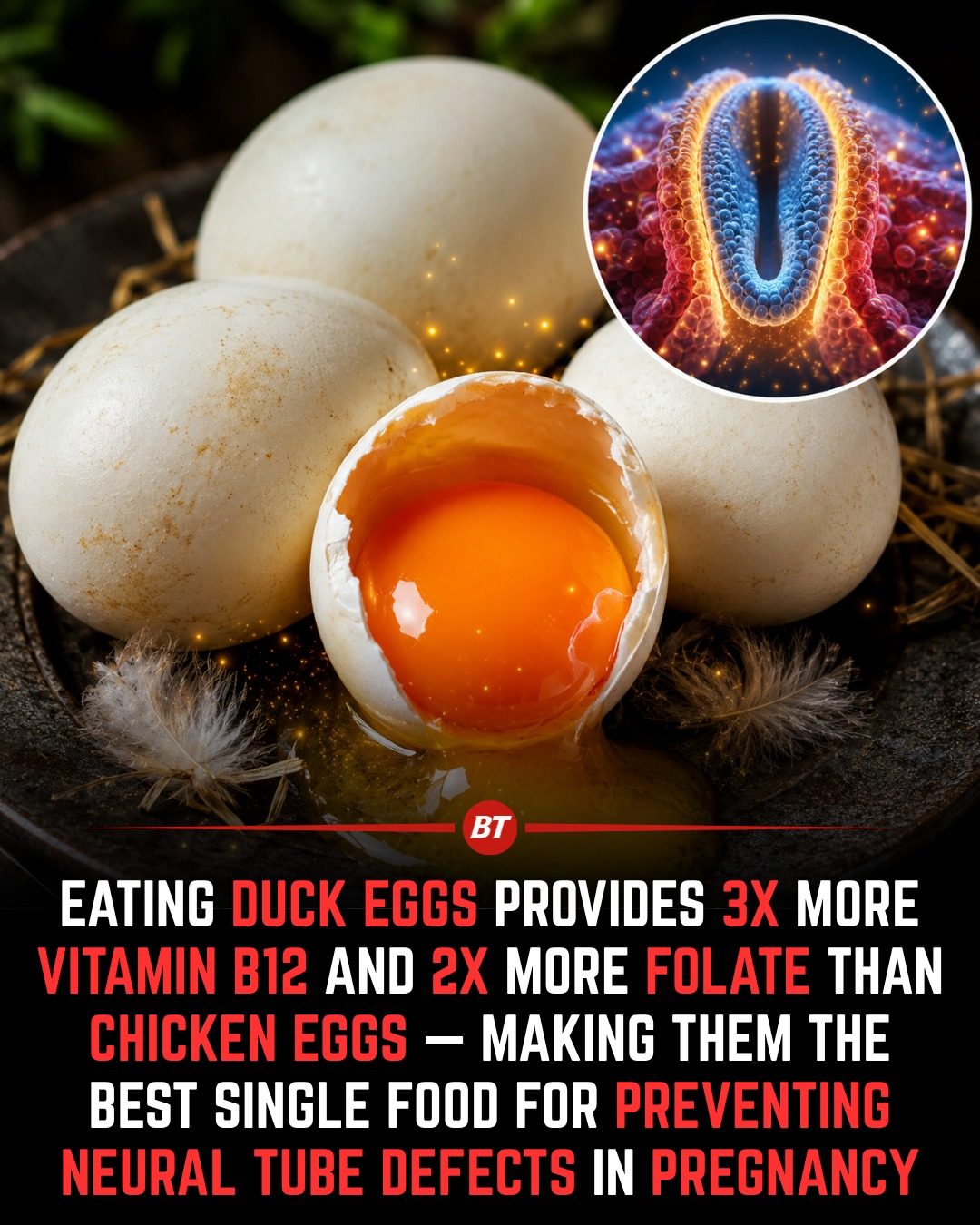
Duck Eggs: A Nutritional Powerhouse
Duck eggs are often overshadowed by their chicken counterparts, but they pack a powerful nutritional punch. These eggs are naturally rich in several key nutrients that support brain development, energy production, and healthy blood formation. They contain higher levels of vitamin B12, folate, choline, iron, and protein, making them one of the most nutrient-dense eggs available.
Why Duck Eggs Matter
The nutritional benefits of duck eggs are particularly important for several key reasons:
- Brain Development and Function: The high levels of choline in duck eggs support fetal brain development and help the body produce acetylcholine, a neurotransmitter involved in memory and learning.
- Energy Production and Blood Health: Vitamin B12 is essential for the formation of red blood cells, nerve function, and DNA synthesis.
- Prenatal Nutrition: Folate is crucial for supporting rapid cell growth and healthy fetal development during pregnancy. Researchers have long recognized folate as one of the most critical nutrients for reducing the risk of neural tube defects during early pregnancy.
The Nutritional Power of Duck Eggs
Duck eggs stand out due to their superior nutrient content. Duck egg yolks are typically larger and darker, indicating higher concentrations of many fat-soluble vitamins and beneficial nutrients.
Vitamin B12
Vitamin B12 is a critical nutrient that supports red blood cell formation, nerve function, and DNA synthesis. Duck eggs provide 3x more vitamin B12 than chicken eggs, making them an excellent source for maintaining optimal health.
Folate
Folate is essential for supporting rapid cell growth and healthy fetal development. Duck eggs provide 2x more folate than chicken eggs, which is particularly important during pregnancy. Folate helps reduce the risk of neural tube defects, making duck eggs one of the best single foods for preventing these defects.
Choline
Choline is a nutrient that supports fetal brain development and helps the body produce acetylcholine, a neurotransmitter involved in memory and learning. Studies have highlighted the importance of choline during pregnancy, yet many people fail to consume enough of it. Duck eggs are exceptionally rich in choline, making them a valuable addition to any diet.
Additional Benefits
Beyond pregnancy, the combination of B12, folate, choline, and high-quality protein makes duck eggs an excellent food for supporting brain health, energy levels, and healthy aging.
Benefits Beyond Pregnancy
While the prenatal benefits of duck eggs are well-documented, their nutritional advantages extend beyond pregnancy. The high-quality protein and essential nutrients in duck eggs make them a valuable addition to any diet.
Energy Production
The combination of B12 and iron in duck eggs supports energy production by aiding in the formation of red blood cells. This makes duck eggs an excellent choice for those looking to maintain high energy levels.
Healthy Aging
The nutrients in duck eggs, including choline and folate, support brain health and cognitive function, making them a valuable part of a diet aimed at healthy aging.
Practical Tips for Incorporating Duck Eggs into Your Diet
Incorporating duck eggs into your diet can be as simple as substituting them for chicken eggs in your favorite recipes. Here are a few tips to get you started:
- Use Them in Baking: Duck eggs can be used in baking to create rich, flavorful baked goods. Their larger yolks and higher fat content make them an excellent choice for cakes, cookies, and pastries.
- Scramble or Fry: Duck eggs can be cooked just like chicken eggs. Scramble them for breakfast, fry them for a quick snack, or poach them for a fancy brunch.
- Add to Salads and Sandwiches: Hard-boiled duck eggs make a great addition to salads and sandwiches, adding a rich, creamy texture and a boost of nutrients.
Important Takeaways
Nutritional Power
Duck eggs are a nutritional powerhouse, packed with essential nutrients that support brain development, energy production, and healthy blood formation.
Prenatal Benefits
The high levels of folate and choline in duck eggs make them an excellent choice for supporting a healthy pregnancy and reducing the risk of neural tube defects.
Versatile Food
Duck eggs are versatile and can be incorporated into a variety of dishes, from baked goods to salads and sandwiches.
Conclusion
Duck eggs offer a range of nutritional benefits that make them a valuable addition to any diet. Their high levels of vitamin B12, folate, and choline support brain development, energy production, and healthy blood formation, making them an excellent choice for both prenatal nutrition and overall health. Incorporating duck eggs into your diet can be a simple and delicious way to boost your nutrient intake.
Watch the Reel
Questions readers ask
What makes duck eggs more nutritious than chicken eggs?
Duck eggs are more nutritious due to their higher content of essential vitamins and minerals. They contain more vitamin B12, folate, choline, and iron compared to chicken eggs, which can support various aspects of health, including energy production and healthy blood formation.
How do duck eggs support brain development?
Duck eggs are rich in choline, which plays a crucial role in fetal brain development. Choline helps the body produce acetylcholine, a neurotransmitter essential for memory and learning. This makes duck eggs a beneficial food for pregnant individuals and those looking to support cognitive health.
Why is vitamin B12 important in duck eggs?
Vitamin B12 in duck eggs is vital for energy production and maintaining healthy blood cells. It supports the nervous system and helps prevent anemia by aiding in the production of red blood cells. This makes duck eggs a valuable addition to diets, especially for those who may be deficient in B12.
What are the benefits of folate in duck eggs?
Folate in duck eggs is essential for DNA synthesis and preventing neural tube defects in developing fetuses. It also supports red blood cell production and helps prevent anemia. This makes duck eggs particularly beneficial for pregnant individuals and those at risk of folate deficiency.
How can duck eggs aid in energy production?
Duck eggs contain higher levels of B vitamins, including vitamin B12, which are crucial for converting food into energy. Additionally, the protein in duck eggs provides sustained energy, making them an excellent choice for athletes or anyone looking to maintain energy levels throughout the day.
Are duck eggs a good source of protein?
Yes, duck eggs are an excellent source of protein, containing more protein per egg than chicken eggs. This high-quality protein is essential for muscle growth, repair, and overall body maintenance, making duck eggs a valuable addition to a balanced diet.
Can duck eggs benefit pregnant individuals?
Yes, duck eggs can be particularly beneficial during pregnancy. They are rich in folate, choline, and protein, all of which support fetal development, brain health, and overall maternal health. However, it's always important to ensure that duck eggs are properly cooked to avoid any potential risks of foodborne illness.
Related deep dives
Similar reads based on topic and creator.




Recent articles
Fresh deep dives from the latest Reels we unpacked.




Comments
Be the first to comment.