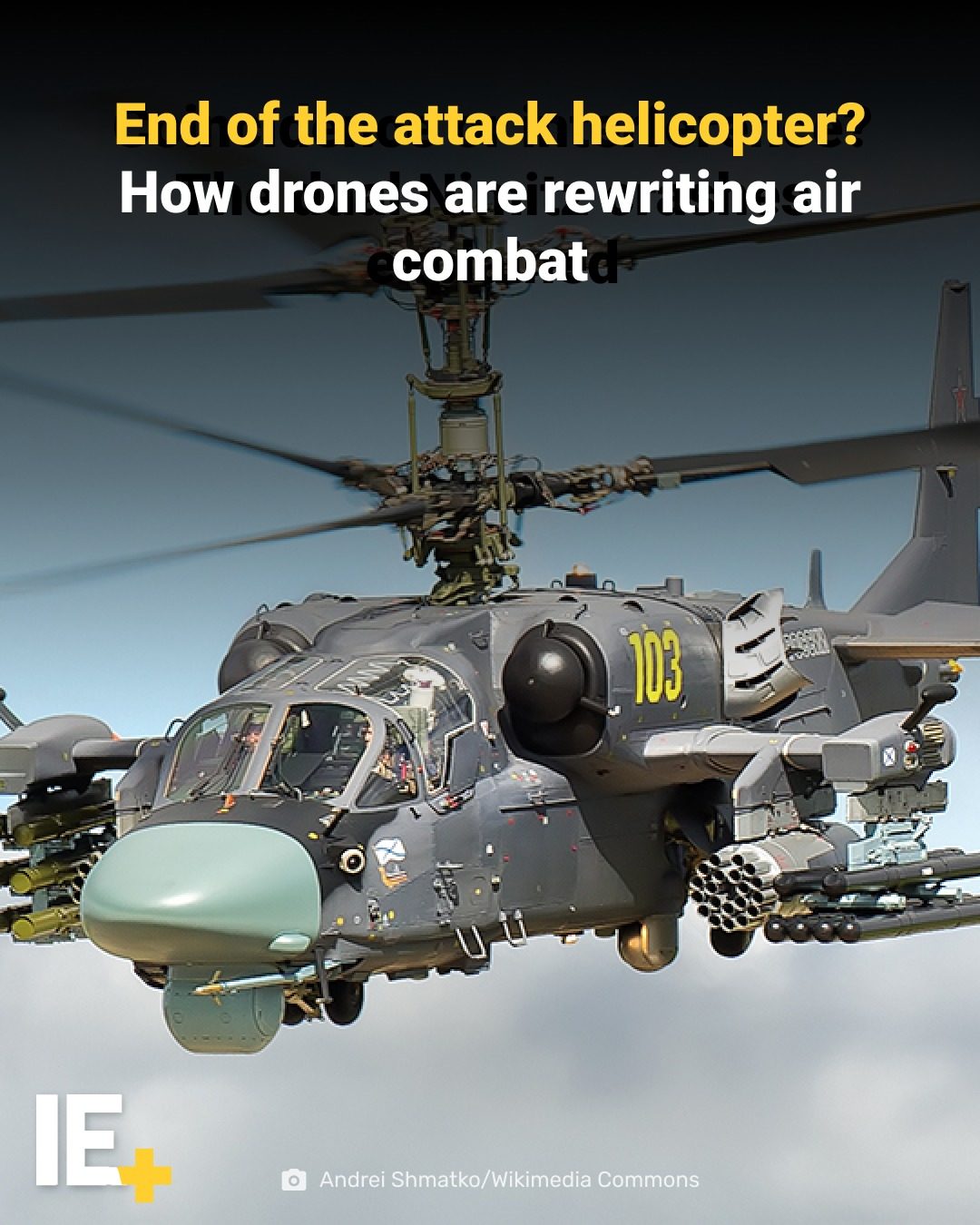
Military Helicopters vs. Drones: Evolving Roles in Modern Warfare
The landscape of military technology is rapidly evolving, as drones are increasingly taking on roles traditionally filled by attack helicopters. While attack helicopters remain a critical component of modern military strategy, their direct combat roles are being redefined as drones become more prevalent.
Changing Roles in Military Operations
The shift in roles for attack helicopters is driven by the growing importance of drones in modern combat. As technology advances, drones have become more capable, versatile, and less expensive than their manned counterparts. This has led to a rethinking of how military forces deploy their assets on the battlefield.
The Rise of Drones in Modern Warfare
Drones have become indispensable in various military operations, from reconnaissance and surveillance to targeted strikes. Their small size, unmanned nature, and ability to operate in hazardous environments make them ideal for a multitude of tasks. The increasing sophistication of drone technology has allowed them to perform missions that were once the exclusive domain of manned aircraft.
The Transition of Attack Helicopters
Attack helicopters, such as the AH-64 Apache, have long been the go-to weapon for close air support and direct combat. However, as drones take over these roles, attack helicopters are being repurposed for command and control roles. These roles involve coordinating ground operations, providing logistical support, and overseeing drone missions. This shift does not diminish the importance of attack helicopters but rather leverages their capabilities in new ways.
The Future of Military Aviation
The transition from traditional attack helicopters to drones is a significant shift in military aviation. This change is driven by several factors, including technological advancements, cost-efficiency, and the changing nature of warfare.
Technological Advancements
The rapid development of drone technology has made drones more reliable, versatile, and effective. Modern drones can operate autonomously, perform complex missions, and even engage in swarm tactics. These advancements have allowed drones to perform tasks that were previously impossible, making them an invaluable asset on the battlefield.
Cost Efficiency
Drones are generally less expensive to produce, operate, and maintain compared to attack helicopters. This cost-efficiency allows military forces to deploy more drones for the same budget, increasing their overall effectiveness. The lower cost of drones also makes them a more attractive option for low-risk, high-reward missions, which were once the domain of attack helicopters.
Changing Nature of Warfare
The nature of modern warfare is evolving, with an increasing emphasis on precision strikes, reconnaissance, and asymmetrical engagements. Drones are well-suited for these types of missions, as they can provide real-time intelligence, conduct surgical strikes, and operate in environments that are too dangerous for manned aircraft. This shift in warfare strategies has further accelerated the transition from attack helicopters to drones.
Practical Tips for Military Strategic Planning
As military forces adapt to the changing landscape of air combat, it is essential to consider several practical tips for strategic planning.
Balanced Deployment
While drones are becoming more prevalent, it is crucial to maintain a balanced deployment of both drones and attack helicopters. This balanced approach ensures that military forces can leverage the strengths of both assets, providing flexibility and adaptability in different combat scenarios.
Training and Adaptation
As the roles of drones and attack helicopters evolve, military forces must invest in training and adaptation. Pilots and ground crews must be trained to operate in this new environment, understanding the capabilities and limitations of both drones and attack helicopters.
Integration of Drone Technology
Incorporating drone technology into existing military systems requires a comprehensive approach. This includes developing new protocols, upgrading communication systems, and integrating drones into command and control structures. Effective integration ensures that drones can seamlessly work alongside traditional military assets, enhancing overall operational effectiveness.
Important Takeaways
The evolution of military technology, particularly the shift from attack helicopters to drones, is a significant development in modern warfare. As drones take on more direct combat roles, attack helicopters are being repurposed for command and control functions. This transition is driven by technological advancements, cost-efficiency, and the changing nature of warfare. It is crucial for military forces to adapt to this new landscape, balancing the deployment of drones and attack helicopters, investing in training, and integrating drone technology into existing systems.
Conclusion
The future of military aviation is being reshaped by the rise of drones, which are taking over roles traditionally filled by attack helicopters. While this shift does not make attack helicopters obsolete, it does redefine their roles in modern warfare. As technology continues to advance, military forces must adapt to these changes, ensuring that they are prepared for the evolving landscape of air combat. This transition offers new opportunities and challenges, requiring a balanced approach, comprehensive training, and effective integration of drone technology.
Watch the Reel
Questions readers ask
How are drones replacing military helicopters in combat?
Drones are taking on direct combat roles traditionally handled by attack helicopters. This shift is due to drones' ability to operate in hazardous environments, their versatility, and their cost-effectiveness.
What new roles are attack helicopters taking on as drones become more prevalent?
Attack helicopters are transitioning to roles in command, control, and coordination. This change allows them to support drone operations and contribute to strategic decision-making.
Why are drones becoming more popular in military applications?
Advancements in technology have made drones more capable and affordable than manned aircraft. They can perform a wide range of tasks, from surveillance to direct combat, making them increasingly popular in modern warfare.
What advantages do drones have over attack helicopters in combat?
Drones can operate in hazardous environments without risking human life, they are more versatile in their applications, and they are typically less expensive to deploy and maintain than attack helicopters.
Will attack helicopters become obsolete with the rise of drones?
While drones are taking on more direct combat roles, attack helicopters will still play a crucial role in military strategy. Their new roles in command, control, and coordination are vital for supporting drone operations and ensuring overall mission success.
How are military forces adapting to the increasing use of drones?
Military forces are rethinking their strategies and deploying drones for a variety of tasks. This includes integrating drones into existing operations and developing new tactics that leverage their unique capabilities.
What are the key benefits of using drones in combat?
Drones offer the benefits of reduced risk to human life, cost savings, and versatility. They can be used for surveillance, reconnaissance, and direct combat, making them a valuable asset in modern military operations.
Recent articles
Fresh deep dives from the latest Reels we unpacked.




Comments
Be the first to comment.