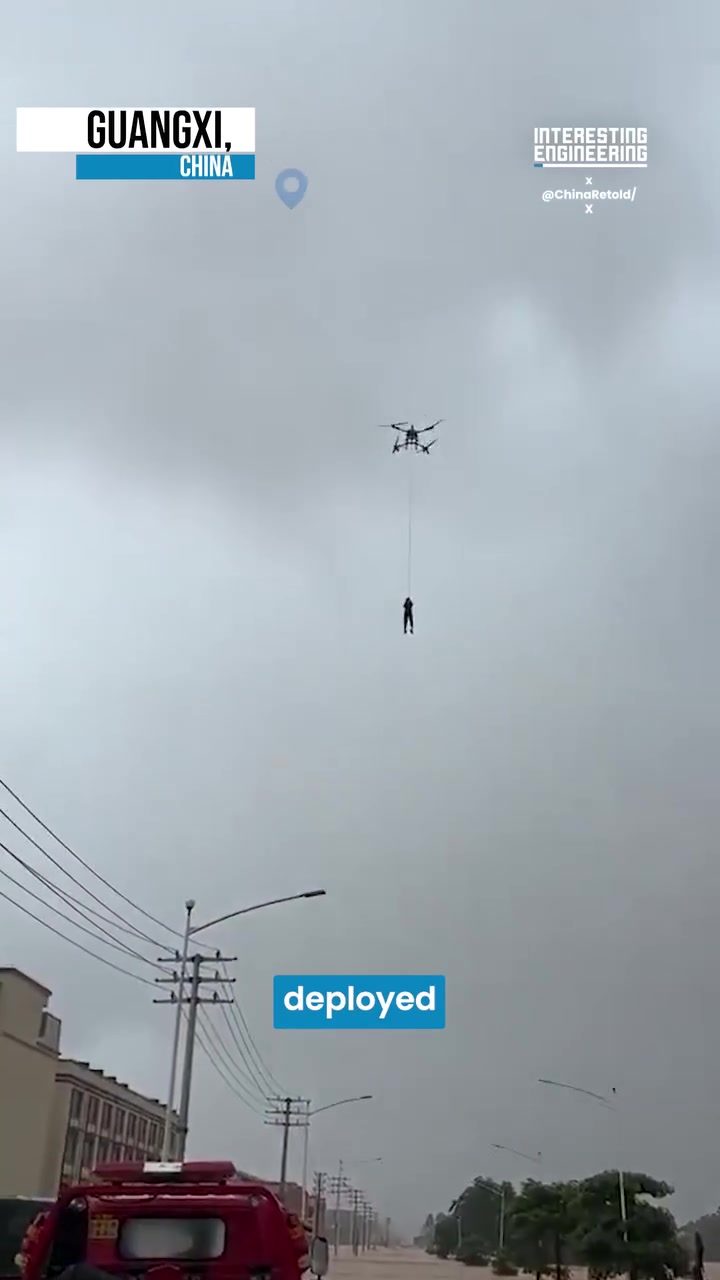
Flood Rescue with Drones: A lifesaving response to natural disasters
In the wake of Typhoon Maysak, severe flooding has inundated communities across Guangxi, China. In response, heavy lift drones and amphibious pontoon bridge systems have been deployed to aid in rescue efforts, highlighting the critical role of drones in disaster management.
The aftereffects of Typhoon Maysak
Typhoon Maysak, a powerful storm, brought torrential rains and catastrophic flooding to Guangxi, China. The sheer volume of water has overwhelmed local infrastructure, leaving many residents stranded on rooftops and trapped in submerged vehicles. The situation is dire, with communities cut off from essential supplies and aid.
How drones are aiding rescue operations
In the face of such devastation, drones have proven to be invaluable tools for rescue operations. These unmanned aerial vehicles, equipped with high-definition cameras and powerful lifting capabilities, are being used to deliver supplies and evacuate people from hard-to-reach areas.
The role of drones in rescue and relief
Drones are instrumental in surveying the flood-affected areas, assessing the damage, and identifying people in need. Their aerial perspective allows rescuers to pinpoint the exact locations of stranded residents, enabling a more efficient and targeted response. Additionally, drones can carry and deliver essential supplies, such as food, water, and medical equipment, directly to those in need.
Heavy lift drones: strength in action
Heavy lift drones, capable of transporting significant weights, are being deployed to evacuate people trapped by the floodwaters. These drones can safely lift and transport individuals from rooftops and submerged vehicles, providing a lifeline to those who would otherwise be unable to escape.
Amphibious pontoon bridges
In addition to drones, amphibious pontoon bridge systems are being used to facilitate mass evacuations. The NOAA's Ark-powered pontoon bridge, for instance, can evacuate up to 500 people at a time. These bridges provide a stable and secure platform for people to cross flooded areas, ensuring their safe passage to higher ground.
The role of China Aneng
The flood rescue operations in Guangxi are led by China Aneng, the country's national emergency rescue force. China Aneng coordinates the efforts of various teams, including drone operators, boat crews, and ground rescue teams, to ensure a cohesive and effective response to the disaster. Their expertise and leadership are crucial in maximizing the impact of the rescue efforts.
The importance of emergency preparedness
The response to the flooding in Guangxi underscores the importance of emergency preparedness. Having the right tools, technologies, and trained personnel in place can significantly enhance the effectiveness of rescue operations. Drones, with their versatility and capabilities, are becoming an essential component of modern disaster management strategies.
Practical tips for drone use in disaster response
Training and expertise
To maximize the effectiveness of drones in disaster response, it is essential to have trained and experienced operators. These individuals should be familiar with the capabilities and limitations of the drones they operate, as well as the specific challenges posed by different types of disasters.
Coordination and communication
Effective coordination and communication among all rescue teams are crucial for a successful operation. Drones should be integrated into the overall response plan, with clear communication protocols in place to ensure seamless coordination with other teams.
Maintenance and backup
Drones used in disaster response must be well-maintained and supported by reliable backup systems. This includes having spare batteries, replacement parts, and additional drones on standby to ensure continuous operation.
Data analysis and decision-making
The data collected by drones can provide valuable insights into the scale and impact of a disaster. Analyzing this data can help inform decision-making, enabling rescue teams to allocate resources more effectively and prioritize critical areas.
Important takeaways
Drones have become an essential tool in disaster management, offering unique capabilities that can significantly enhance rescue and relief efforts. Their role in the flood rescue operations in Guangxi, China, highlights the importance of integrating advanced technologies into emergency response strategies. By leveraging the strengths of drones, along with other innovative tools like amphibious pontoon bridges, rescue teams can save lives and provide much-needed aid to those affected by natural disasters.
Conclusion
Responding to natural disasters with technology such as drones is revolutionizing the way rescue operations are conducted. In Guangxi, China, drones and amphibious pontoon bridges have demonstrated their effectiveness in aiding flood victims. As we continue to face the challenges posed by extreme weather events, it is clear that leveraging advanced technologies will be crucial in mitigating the impact of these disasters and saving lives. By investing in emergency preparedness and integrating innovative solutions, we can build more resilient communities and enhance our ability to respond to future crises.
Watch the Reel
Questions readers ask
How are drones being used in the aftermath of Typhoon Maysak in Guangxi, China?
Drones are playing a crucial role by conducting aerial assessments to evaluate the extent of the damage and identifying areas where assistance is most needed. They are also used to airdrop essential supplies to cut-off communities and even evacuate stranded residents from flooded areas.
What types of drones are involved in the rescue efforts in Guangxi?
Heavy lift drones with strong lifting capacities are being utilized to carry supplies and equipment to inaccessible areas. Additionally, amphibious pontoon bridge systems are deployed to aid in rescue operations and provide access to isolated communities.
How do drones aid in the evacuation of residents from flooded areas?
Drones, equipped with specialized rescue equipment, can transport individuals from stranded locations to safer areas. This is particularly useful in situations where traditional rescue vehicles cannot reach, such as when roads are impassable or submerged.
Why are drone deployments effective in disaster response?
Drones can quickly cover large areas, providing a bird's-eye view of the situation. This allows rescue teams to allocate resources more efficiently and respond promptly to the most critical needs, such as rescuing stranded individuals or delivering essential supplies.
What challenges do drones face when aiding in disaster relief, such as the aftermath of Typhoon Maysak?
Drones must navigate harsh weather conditions and potential obstacles like debris and power lines. Additionally, they have limited flight times and payload capacities, which can affect their efficiency in prolonged rescue operations. However, advancements in technology are continually enhancing their capabilities.
How do drones help in delivering aid to areas affected by the typhoon?
Drones are used to lift and deliver essential supplies, such as food, water, and medical kits, to communities that are cut off by floodwaters. This ensures that vital resources reach those in need promptly, even in remote or hard-to-access locations where traditional delivery methods may fail.
What is the significance of aerial assessments in drone rescue efforts?
Aerial assessments conducted by drones provide real-time data and visuals of the affected areas, helping emergency responders to make informed decisions about resource allocation and rescue strategies. This information is crucial for coordinating effective and efficient relief efforts, especially in rapidly changing disaster scenarios.
Recent articles
Fresh deep dives from the latest Reels we unpacked.




Comments
Be the first to comment.