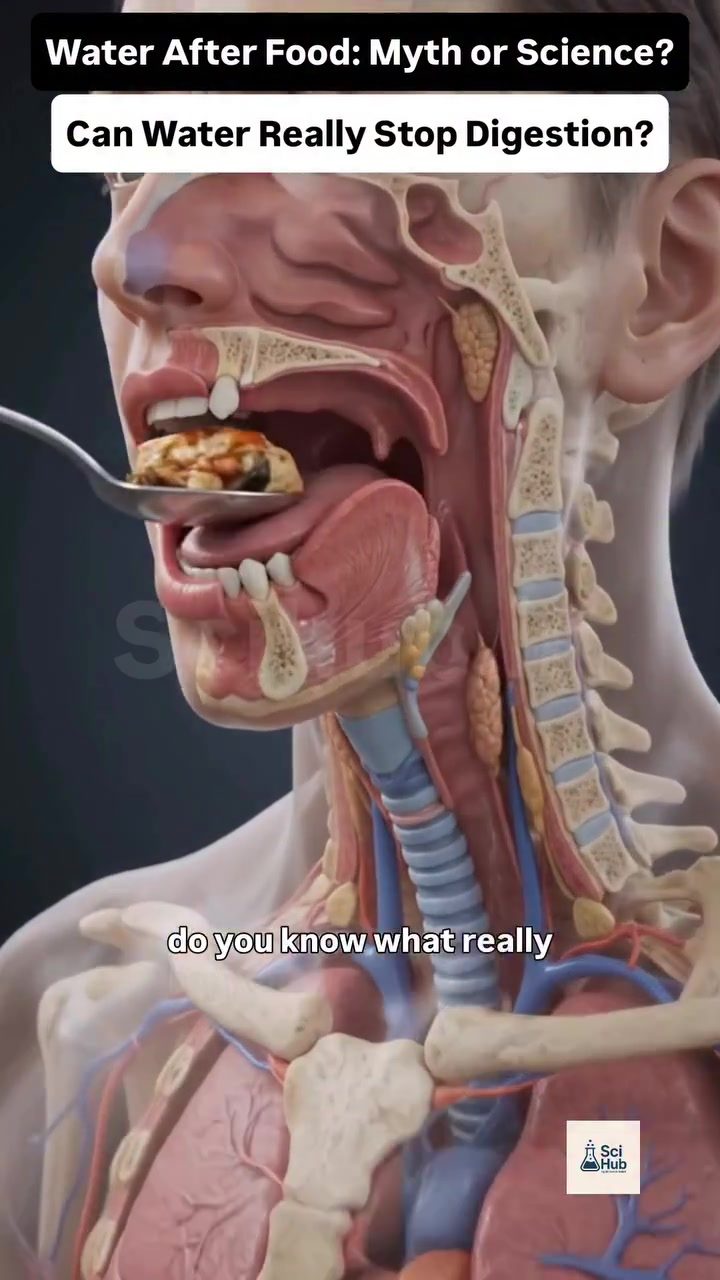
Digestion and Water: The Truth Behind Drinking Water After Eating
Drinking water after eating is a common habit, but it's also surrounded by myths and misconceptions. One of the most persistent myths is that drinking water immediately after a meal can weaken or stop digestion. This idea has led many to avoid drinking water after eating, but the truth is more nuanced and interesting.
Why This Matters
Understanding how your body processes food and water together can help you make informed decisions about your diet and hydration. The digestive process is a complex interplay of organs, enzymes, and fluids, and water plays a crucial role in this process. By debunking common myths, we can better appreciate the efficiency of our digestive system and optimize our hydration habits.
The Journey of Food and Water
To understand why drinking water after eating doesn't stop digestion, let's follow the journey of food and water through the digestive system.
From Mouth to Stomach
When you eat, food travels from your mouth through the esophagus to your stomach. As you drink water, it naturally mixes with the food and digestive juices. The stomach muscles work to churn and mix the meal, allowing digestion to proceed normally. The stomach releases digestive enzymes and acids that break down the food into smaller particles.
The Role of the Stomach
The stomach is a remarkable organ designed to handle both food and water simultaneously. Contrary to popular belief, drinking water after a meal doesn't switch off your stomach acid or halt the digestive process. Instead, your digestive system continues to release acids and enzymes, ensuring that the food is broken down effectively.
The Small Intestine
Once the food is partially digested, it moves from the stomach to the small intestine. In the small intestine, enzymes continue to break down the food, while tiny structures called villi absorb nutrients into the bloodstream. These nutrients are then transported throughout the body to nourish your cells and tissues.
The Digestive Process
At this point, your digestive system is efficiently handling both food and water. The stomach muscles continue to mix the contents, and the digestive enzymes work to break down the food. Water helps to dilute the digestive juices and aids in the movement of food through the digestive tract. This process ensures that your body can absorb the maximum amount of nutrients from the food you eat.
Practical Tips for Better Digestion
While drinking water after eating doesn't stop digestion, there are several practical tips that can help optimize your digestive health:
Stay Hydrated
Drinking water throughout the day is essential for maintaining good digestion. Adequate hydration helps to soften food, making it easier to break down and digest. Aim for at least 8 glasses of water per day, and adjust based on your activity level and climate.
Eat Mindfully
Pay attention to your eating habits. Eating slowly and chewing your food thoroughly can help improve digestion. This practice allows the digestive enzymes in your saliva to break down food more effectively, making it easier for your stomach and intestines to process.
Incorporate Fiber
Foods rich in fiber, such as fruits, vegetables, and whole grains, can help promote healthy digestion. Fiber adds bulk to your stool, making it easier to pass through the digestive tract. It also helps to feed the beneficial bacteria in your gut, supporting overall digestive health.
Avoid Large Meals
Eating large meals can overwhelm your digestive system, making it harder to break down food efficiently. Instead, opt for smaller, more frequent meals throughout the day. This approach can help improve digestion and prevent discomfort.
Listen to Your Body
Everyone's digestive system is unique, so it's essential to pay attention to your body's signals. If you experience discomfort or bloating after eating, consider adjusting your diet and hydration habits to better suit your needs.
Important Takeaways
Understanding the process of digestion and the role of water in this system can help you make better decisions about your diet and hydration. Key takeaways include:
- Drinking water after eating doesn't stop digestion.
- The digestive system is designed to handle food and water together.
- Water aids in the movement of food through the digestive tract and helps to dilute digestive juices.
- Staying hydrated, eating mindfully, incorporating fiber, avoiding large meals, and listening to your body can all support healthy digestion.
Conclusion
The idea that drinking water after eating weakens digestion is a persistent myth. By understanding the journey of food and water through the digestive system, we can appreciate the efficiency of our body's natural processes. Proper hydration, mindful eating, and a balanced diet can all support healthy digestion and overall well-being. Embrace the truth about digestion and water, and enjoy your meals with confidence.
Watch the Reel
Questions readers ask
Does drinking water after eating slow down digestion?
No, drinking water after eating does not slow down digestion. Your body is designed to process food and water together efficiently, so you don't need to worry about water interfering with your digestive system.
What role does water play in the digestion process?
Water is essential for digestion as it helps break down food, aids in the absorption of nutrients, and facilitates the movement of waste through the digestive tract. Proper hydration ensures that your digestive system functions optimally.
How does the stomach handle food and water together?
The stomach has a robust mechanism for managing both food and water. It secretes enzymes and acids to break down food, and water helps to dilute and move the contents through the digestive system. This process is not hindered by the presence of water.
Can drinking water after eating help with digestion?
Yes, drinking water after eating can actually support digestion. Water aids in breaking down food, helps in the absorption of nutrients, and keeps the digestive system functioning smoothly. It also helps to soften the stool, making it easier to pass.
What are some common myths about drinking water and digestion?
One common myth is that drinking water after eating stops or halts digestion. Another misconception is that water dilutes stomach acids, making digestion less efficient. However, these myths are unfounded. Your body can effectively process food and water together.
How does the small intestine process food and water together?
The small intestine plays a crucial role in absorbing nutrients from digested food. Water helps in the breakdown of food in the stomach and facilitates the absorption of nutrients in the small intestine, ensuring a balanced and efficient digestive process.
What is the impact of dehydration on digestion?
Dehydration can significantly impair digestion. Without adequate water, your body struggles to break down food, absorb nutrients, and move waste through the digestive tract. This can lead to constipation, bloating, and other digestive discomforts. Staying hydrated is key to maintaining a healthy digestive system.
Related deep dives
Similar reads based on topic and creator.

Recent articles
Fresh deep dives from the latest Reels we unpacked.




Comments
Be the first to comment.