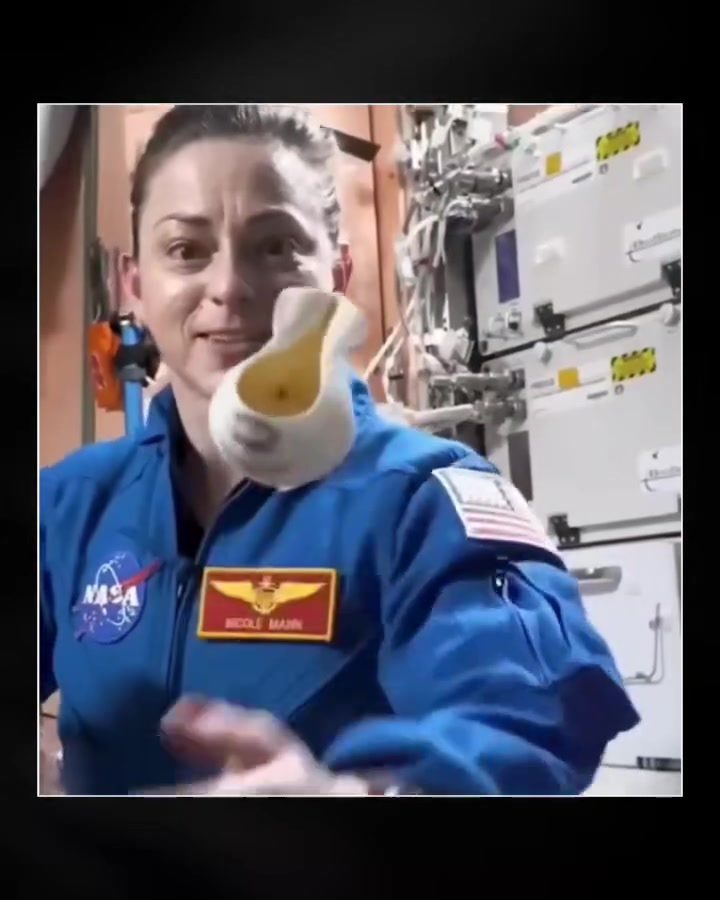
The Challenges of Drinking in Space
Drinking a simple cup of coffee or any other beverage is an everyday activity that many people take for granted. However, in the unique environment of space, this routine task becomes surprisingly complex. Without the force of gravity, liquids do not stay at the bottom of a cup but instead form floating blobs that can drift through the spacecraft, potentially damaging equipment or posing health risks to astronauts.
Astronauts have traditionally consumed drinks from sealed pouches using straws. This method, while effective, has its limitations. For instance, it becomes difficult for astronauts to smell their drinks, which is a critical aspect of enjoying beverages like coffee, as much of the flavor comes from its aroma. This issue highlights the need for innovative solutions that can make daily tasks in space more comfortable and efficient.
Why This Matters
The design of the Zero-Gravity Cup, also known as the Capillary Cup, addresses these challenges by leveraging the principles of fluid physics. Developed by NASA astronaut Don Pettit while aboard the International Space Station (ISS), this cup uses capillary action and surface tension to guide liquids from the bottom of the cup to the rim. This allows astronauts to sip naturally from an open container, much like they would on Earth. The cup's carefully shaped walls ensure that the liquid stays in place, even in the absence of gravity. This innovative design not only makes drinking more enjoyable but also has significant implications for future space missions.
The Science Behind the Zero-Gravity Cup
The Role of Capillary Action
Capillary action is the ability of a liquid to flow in narrow spaces without the assistance of, or even in opposition to, external forces like gravity. In the context of the Zero-Gravity Cup, this principle is harnessed to ensure that the liquid moves from the bottom of the cup to the rim, where the astronaut can sip it. The cup's design features a unique shape that uses surface tension to guide the liquid, creating a continuous flow that mimics the action of drinking on Earth.
Surface Tension and Fluid Behavior
Surface tension is a property of the surface of a liquid that allows it to resist an external force. In the microgravity environment of space, surface tension plays a crucial role in maintaining the integrity of the liquid in the cup. The Zero-Gravity Cup's design takes advantage of this property by creating a surface that the liquid can adhere to, preventing it from floating away.
The Importance of Fluid Physics in Microgravity
Understanding how fluids behave in microgravity is essential for the development of space technologies. The principles applied in the design of the Zero-Gravity Cup have broader applications in the design of spacecraft systems used to transport water, fuel, and other liquids. This knowledge is critical for long-duration missions to the Moon, Mars, and beyond, where efficient and safe management of fluids is paramount.
Practical Tips for Space Travel
While the Zero-Gravity Cup is a significant innovation, it is just one of many adaptations necessary for space travel. Here are a few practical tips for anyone interested in the challenges of living and working in space:
Adapt to Microgravity
Living in a microgravity environment requires significant adjustments. Astronauts must learn to move, eat, and work in a way that minimizes the risks associated with floating objects and liquids. The Zero-Gravity Cup is just one example of how everyday tasks can be adapted for space.
Use Specialized Equipment
Space travel often requires the use of specialized equipment designed to function in a microgravity environment. Whether it's a unique cup or a specially designed food pouch, these tools are essential for maintaining comfort and efficiency in space.
Stay Informed
Staying informed about the latest advancements in space technology is crucial for anyone involved in space exploration. Understanding the principles behind innovations like the Zero-Gravity Cup can provide valuable insights into the challenges and solutions of space travel.
Important Takeaways
Innovation is Key
The development of the Zero-Gravity Cup highlights the importance of innovation in space exploration. By addressing a seemingly simple problem, such as drinking in space, scientists and engineers can make significant improvements to the quality of life for astronauts and the efficiency of space missions.
Collaboration Matters
The creation and refinement of the Zero-Gravity Cup involved collaboration between astronauts and researchers studying fluid physics in microgravity. This collaboration underscores the importance of teamwork and interdisciplinary approaches in solving complex problems.
Future Implications
Beyond making coffee more enjoyable, the Zero-Gravity Cup demonstrates how understanding fluid behavior in microgravity can improve the design of spacecraft systems. This knowledge is crucial for future long-duration missions to the Moon, Mars, and beyond, where efficient and safe management of fluids is paramount.
Conclusion
Drinking a simple cup of coffee in space might seem like a minor detail, but it highlights the unique challenges and innovative solutions that define space exploration. The Zero-Gravity Cup is a testament to human ingenuity and the power of collaboration in overcoming the obstacles of living and working in microgravity. As we continue to venture deeper into space, innovations like the Zero-Gravity Cup will play a crucial role in making long-duration missions more comfortable and efficient, paving the way for future explorations of the cosmos.
Watch the Reel
Questions readers ask
How do astronauts drink liquids in space without gravity?
Astronauts use specially designed containers, like the Zero-Gravity Cup, which employs capillary action to guide liquids to the drinker's mouth. Traditional methods include drinking from sealed pouches with straws, but these can limit the sensory experience.
What is the Zero-Gravity Cup and how does it work?
The Zero-Gravity Cup, also known as the Space Cup, was designed by engineers at NASA. It uses a combination of passive capillary flow and surface tension to direct liquid towards the astronaut's mouth, ensuring a smooth drinking experience in microgravity. The cup is designed to be comfortable and efficient in space.
Why is smelling important when drinking coffee in space?
Smelling is crucial for enjoying coffee because much of the flavor comes from its aroma. In space, the use of sealed pouches can limit this sensory experience, making it harder for astronauts to fully appreciate their beverages.
What are the challenges of drinking in space?
The primary challenge is that liquids do not behave as they do on Earth. Instead of staying at the bottom of a container, they form floating blobs. These can drift through the spacecraft, potentially damaging equipment or posing health risks to astronauts if they are ingested.
Who developed the space mug design?
The space mug design, including the Zero-Gravity Cup, was developed by engineers at NASA, in collaboration with scientists and astronauts, to address the unique challenges of drinking in space.
How did astronaut Don Pettit contribute to space drinking innovations?
Don Pettit, an astronaut, developed early designs for space drinking utensils, such as the space coffee cup. His innovative designs are based on the principles of surface tension and capillary flow, which are crucial for handling liquids in zero gravity.
What are some of the design principles used in space mugs?
Space mugs, like the Zero-Gravity Cup, use surface tension and capillary action to control liquid flow in microgravity. These designs ensure that liquids move towards the drinker's mouth when they sip, mimicking the experience of drinking on Earth as closely as possible.
Recent articles
Fresh deep dives from the latest Reels we unpacked.




Comments
Be the first to comment.