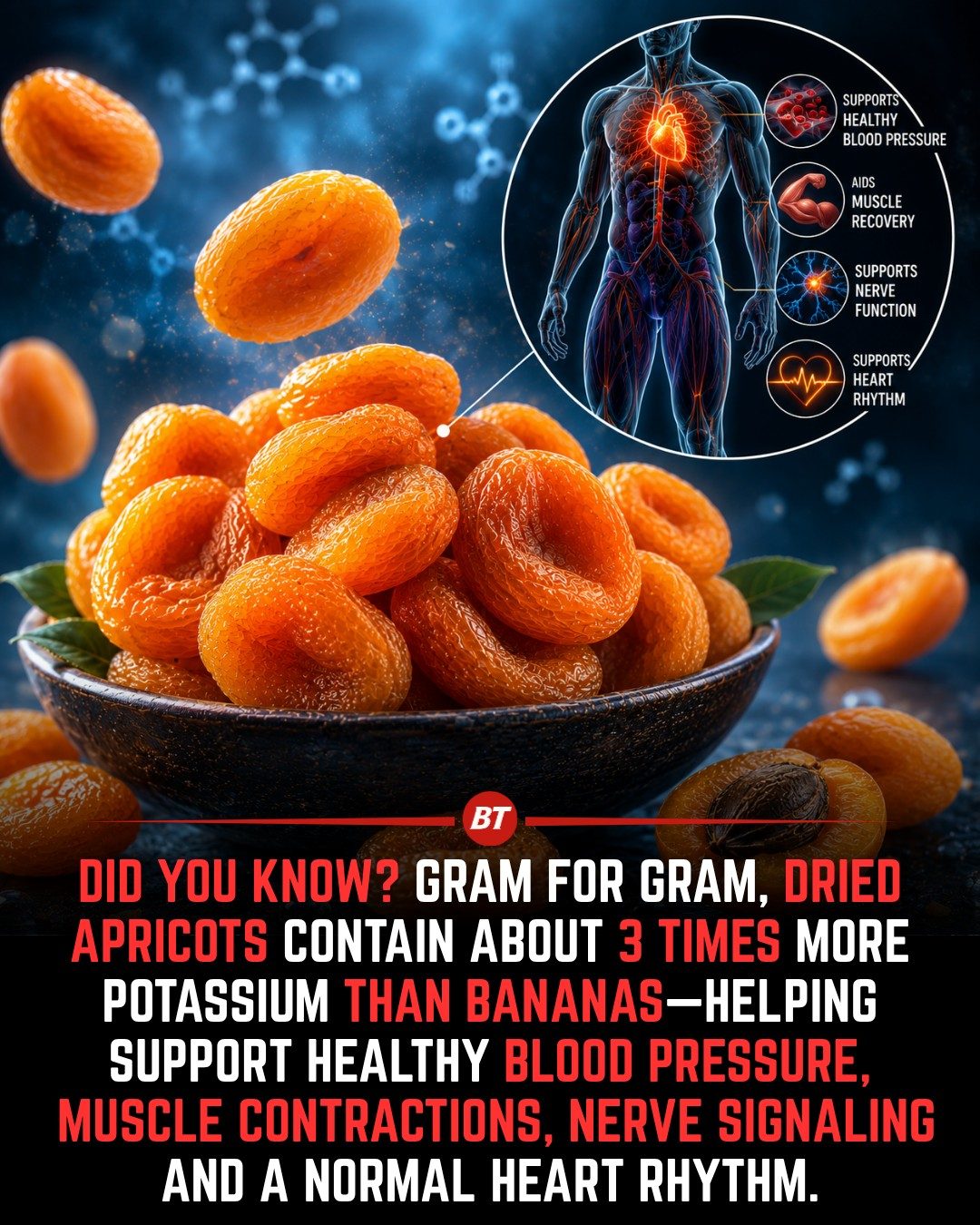
Dried Apricots: A Powerhouse of Potassium
Dried apricots pack a nutritional punch, particularly in terms of potassium. Potassium is an essential mineral that plays a crucial role in various bodily functions. Let's explore the benefits of dried apricots and how they can enhance your diet.
Context / Why this matters
Potassium is vital for maintaining healthy blood pressure, supporting muscle contractions, and transmitting nerve signals. It also helps to regulate the heart's rhythm. Dried apricots, in particular, are a concentrated source of this mineral, offering a convenient way to incorporate more potassium into your diet. Unlike fresh apricots, dried apricots have had most of their water removed, which naturally concentrates their nutrients.
The Nutritional Power of Dried Apricots
High Potassium Content
Dried apricots contain about three times more potassium than bananas. This makes them one of the most concentrated sources of this essential mineral. Potassium supports several critical bodily functions, including:
- Healthy Blood Pressure: Potassium helps to balance the effects of sodium in the body, which is crucial for maintaining healthy blood pressure levels.
- Muscle Contractions: Potassium aids in muscle contractions and recovery, making it beneficial for athletes and anyone engaging in regular physical activity.
- Nerve Function: It supports nerve signaling, which is essential for proper nerve function and overall body coordination.
- Heart Rhythm: Potassium helps to maintain a normal heart rhythm, supporting cardiovascular health.
Other Nutritional Benefits
In addition to their high potassium content, dried apricots offer a range of other nutritional benefits:
- Fiber: Dried apricots provide soluble fiber, which supports digestive health and helps to slow the absorption of natural sugars.
- Iron and Copper: These minerals are essential for various bodily functions, including the production of red blood cells and supporting immune function.
- Beta-Carotene: Your body converts beta-carotene into vitamin A, which is crucial for healthy vision and immune function.
A 2023 study published in the journal Nutrients highlighted that increasing dietary potassium is associated with healthier blood pressure and a lower risk of cardiovascular disease. This further underscores the importance of incorporating potassium-rich foods like dried apricots into your diet.
Practical Tips for Incorporating Dried Apricots
Dried apricots are a versatile and convenient snack. Here are some practical tips for incorporating them into your diet:
Portion Control
Dried apricots are more calorie-dense than fresh apricots, so it's essential to practice portion control. A serving of 4–6 dried apricots is a good starting point. Pairing them with a handful of nuts adds protein and healthy fats, creating a more balanced and satisfying snack.
Snack Ideas
Enjoy dried apricots as a standalone snack, or add them to your favorite dishes for an extra nutritional boost. Here are some ideas:
- Trail Mix: Combine dried apricots with nuts, seeds, and a few chocolate chips for a balanced and satisfying trail mix.
- Oatmeal: Chop dried apricots into your morning oatmeal for added flavor, texture, and nutrients.
- Greek Yogurt: Mix dried apricots with Greek yogurt and a drizzle of honey for a protein-packed snack or breakfast.
- Salads: Add chopped dried apricots to your favorite salads for a sweet and tangy flavor.
Pre- and Post-Workout Snack
Due to their high potassium content and ability to support muscle recovery, dried apricots make an excellent pre- and post-workout snack. Consuming them before a workout can help you replenish your body's potassium stores and support muscle contractions, while enjoying them after a workout can aid in muscle recovery and replenish lost electrolytes.
Important Takeaways
When it comes to dried apricots, keep these important points in mind:
- Potassium Powerhouse: Dried apricots are an excellent source of potassium, offering approximately three times more per gram than bananas. This makes them a valuable addition to any diet, particularly for those looking to support cardiovascular health, muscle function, and nerve signaling.
- Portion Control: Dried apricots are more calorie-dense than fresh fruit, so it's essential to practice portion control. A serving of 4–6 dried apricots is a good starting point.
- Versatile and Convenient: Dried apricots can be enjoyed as a standalone snack or added to various dishes for an extra nutritional boost. Their versatility makes them an excellent addition to any diet.
Conclusion
Dried apricots are more than just a tasty snack; they are a nutritional powerhouse packed with essential minerals and vitamins. Incorporating dried apricots into your diet can help support various bodily functions, from maintaining healthy blood pressure to aiding muscle recovery and nerve function. With their concentrated potassium content and versatility, dried apricots are a convenient and delicious way to enhance your overall health. Try them as a snack, add them to your favorite dishes, or enjoy them as a pre- or post-workout fuel. Your body will thank you.
Watch the Reel
Questions readers ask
How much potassium do dried apricots contain compared to bananas?
Dried apricots contain about three times more potassium than bananas. On average, a 100-gram serving of dried apricots provides around 1,500 milligrams of potassium, while a similar serving of bananas offers approximately 350 milligrams.
What are the benefits of eating dried apricots for heart health?
Dried apricots help maintain a healthy heart rhythm, and they can help lower blood pressure by counteracting the effects of sodium. Regular consumption of potassium-rich foods like dried apricots can also reduce the risk of stroke and support overall cardiovascular health.
How do dried apricots support muscle health?
Potassium is essential for muscle contractions and the transmission of nerve signals to muscles. By providing a concentrated source of potassium, dried apricots can help to maintain muscle function and prevent cramps.
Are dried apricots a good snack option for boosting potassium intake?
Yes, dried apricots are an excellent choice for a potassium-rich snack. They are convenient, easy to carry, and offer a significant amount of potassium per serving. Additionally, they provide a natural sweetness that can satisfy cravings while offering nutritional benefits.
How can dried apricots help regulate blood pressure?
Potassium plays a key role in balancing sodium levels in the body, which is crucial for regulating blood pressure. By including dried apricots in your diet, you can increase your potassium intake, which helps to counteract the effects of sodium and promote healthy blood pressure levels.
What are some other high-potassium foods besides dried apricots?
Other high-potassium foods include spinach, avocados, sweet potatoes, lentils, and salmon. Incorporating a variety of these foods into your diet can help ensure you meet your daily potassium needs, which is important for overall health and well-being.
How can I incorporate dried apricots into my daily meals and snacks?
You can add dried apricots to your breakfast oatmeal, yogurt, or cereal for a potassium-rich start to the day. They also make a great addition to trail mix, granola, or as a healthy snack on their own. Additionally, you can incorporate them into savory dishes like salads, tagines, or even stuff them with cheese, almonds, or nuts for a flavorful snack.
Related deep dives
Similar reads based on topic and creator.




Recent articles
Fresh deep dives from the latest Reels we unpacked.




Comments
Be the first to comment.