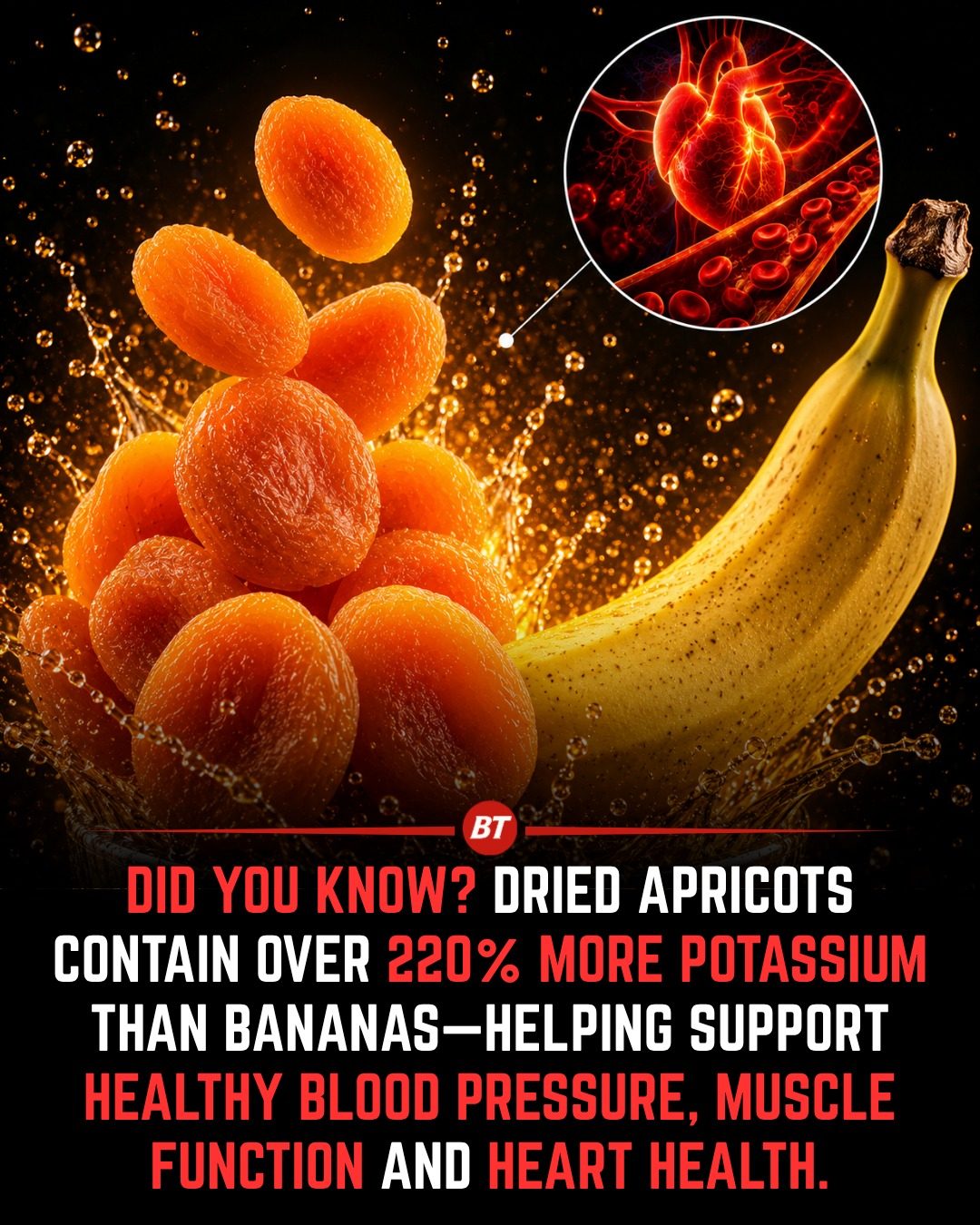
Dried Apricots: A Powerhouse of Potassium
Dried apricots are a nutritional powerhouse, packed with more than twice the potassium of bananas per serving by weight. This makes them an excellent natural source of this essential mineral, which is crucial for maintaining healthy blood pressure, muscle function, and heart health. The drying process concentrates the fruit's minerals, fiber, and antioxidants, making dried apricots a nutrient-dense snack.
Why Potassium Matters
Potassium is an electrolyte that plays a vital role in regulating the balance of fluids inside and outside your cells. It works in tandem with sodium to maintain normal blood pressure by supporting the relaxation of blood vessel walls and promoting healthy fluid balance. While many people focus on reducing sodium intake, ensuring adequate potassium consumption is equally important for cardiovascular health.
Potassium and Muscle Function
Muscles rely on potassium every time they contract. Whether it's your heart beating, taking a walk, or lifting weights, potassium helps transmit the electrical signals that allow muscles and nerves to function properly. Insufficient potassium intake can lead to muscle weakness, fatigue, and cramps, especially in individuals who do not consume enough fruits and vegetables.
The Drying Process: Concentrating Nutrients
The drying process of apricots removes most of the water, naturally concentrating the fruit's minerals, fiber, and antioxidants into a much smaller serving. In addition to potassium, dried apricots provide fiber, beta-carotene, and polyphenols. These compounds help protect cells from oxidative stress and support healthy aging. While dried fruit is more concentrated in natural sugars than fresh fruit, it is also more concentrated in nutrients. Enjoyed in sensible portions, dried apricots can be an easy way to increase your intake of potassium and other beneficial plant compounds.
Comparing Potassium in Dried Apricots and Bananas
Dried apricots contain over 220% more potassium than bananas. This makes them one of the richest natural sources of this essential mineral. A serving of dried apricots provides a significant boost of potassium, which is crucial for supporting healthy blood pressure, muscle function, and heart health.
Additional Health Benefits of Dried Apricots
Beyond their high potassium content, dried apricots offer a range of other health benefits. They are a good source of fiber, which aids in digestion and helps maintain healthy cholesterol levels. The beta-carotene in dried apricots is converted into vitamin A in the body, supporting vision and immune function. Additionally, the polyphenols in dried apricots act as antioxidants, helping to protect cells from damage and supporting overall health.
Practical Tips for Incorporating Dried Apricots into Your Diet
Dried apricots are a versatile and convenient snack. Here are some practical tips for incorporating them into your diet:
- Snack on Them: Enjoy 4–6 dried apricots as a snack. Their natural sweetness and chewy texture make them a satisfying treat.
- Pair with Nuts: Combine dried apricots with a handful of unsalted nuts for a balanced snack. This combination provides a mix of fiber, healthy fats, and minerals that support both heart health and steady energy.
- Add to Trail Mix: Include dried apricots in your favorite trail mix. Their chewy texture and natural sweetness complement other dried fruits and nuts.
- Use in Baking: Chop dried apricots and mix them into muffins, bread, or cookies for added flavor and nutrition.
- Top Your Yogurt: Sprinkle chopped dried apricots over your yogurt for a nutritious and delicious breakfast or snack.
Important Takeaways
Dried apricots are a nutrient-dense snack that offers numerous health benefits. Their high potassium content supports healthy blood pressure, muscle function, and heart health. Additionally, dried apricots provide fiber, beta-carotene, and polyphenols, which contribute to overall well-being. Incorporating dried apricots into your diet is a simple and effective way to boost your intake of essential nutrients.
Conclusion
Dried apricots are a powerful addition to any diet, offering a concentrated source of potassium and other beneficial nutrients. Understanding the importance of potassium for cardiovascular health and muscle function highlights the value of dried apricots as a healthy snack. By incorporating dried apricots into your daily routine, you can support your overall health and well-being in a delicious and convenient way.
Watch the Reel
Questions readers ask
How much potassium is in a serving of dried apricots?
A serving of dried apricots (about 1/4 cup or 30 grams) contains approximately 620 mg of potassium. This is more than twice the amount found in a medium banana of the same weight.
What are the health benefits of the potassium in dried apricots?
The potassium in dried apricots supports several aspects of health, including maintaining healthy blood pressure by countering the effects of sodium, promoting proper muscle and nerve function, and aiding in heart health by supporting normal heart rhythms.
How do dried apricots compare to other potassium-rich fruits?
Dried apricots are among the top fruits for potassium content. While bananas are often praised for their potassium, dried apricots contain more than double the amount per serving by weight. Other potassium-rich fruits include prunes, raisins, and avocados, but dried apricots are one of the richest sources.
How does the drying process affect the potassium content in apricots?
The drying process concentrates the potassium in apricots, making the dried version more potent in terms of potassium content per serving by weight. This is because the water content is reduced, leaving behind a higher concentration of minerals and fiber.
What is the recommended daily intake of potassium, and how do dried apricots fit in?
The recommended daily intake of potassium for adults is 2,600 mg for women and 3,400 mg for men. A serving of dried apricots provides about 15-20% of the daily recommended intake, making them a convenient and tasty way to boost your potassium levels.
What other nutrients do dried apricots provide besides potassium?
In addition to potassium, dried apricots are a good source of fiber, with about 2.5 grams per serving, and they contain various antioxidants, vitamin A, and small amounts of magnesium, calcium, and iron. This makes them a nutrient-dense snack that supports overall health.
Can dried apricots help with blood pressure management?
Yes, the high potassium content in dried apricots can help support healthy blood pressure levels. Potassium works to counteract the effects of sodium, promoting vasodilation (relaxation of blood vessels) and helping to maintain a healthy fluid balance, which is crucial for managing blood pressure.
Related deep dives
Similar reads based on topic and creator.




Recent articles
Fresh deep dives from the latest Reels we unpacked.




Comments
Be the first to comment.