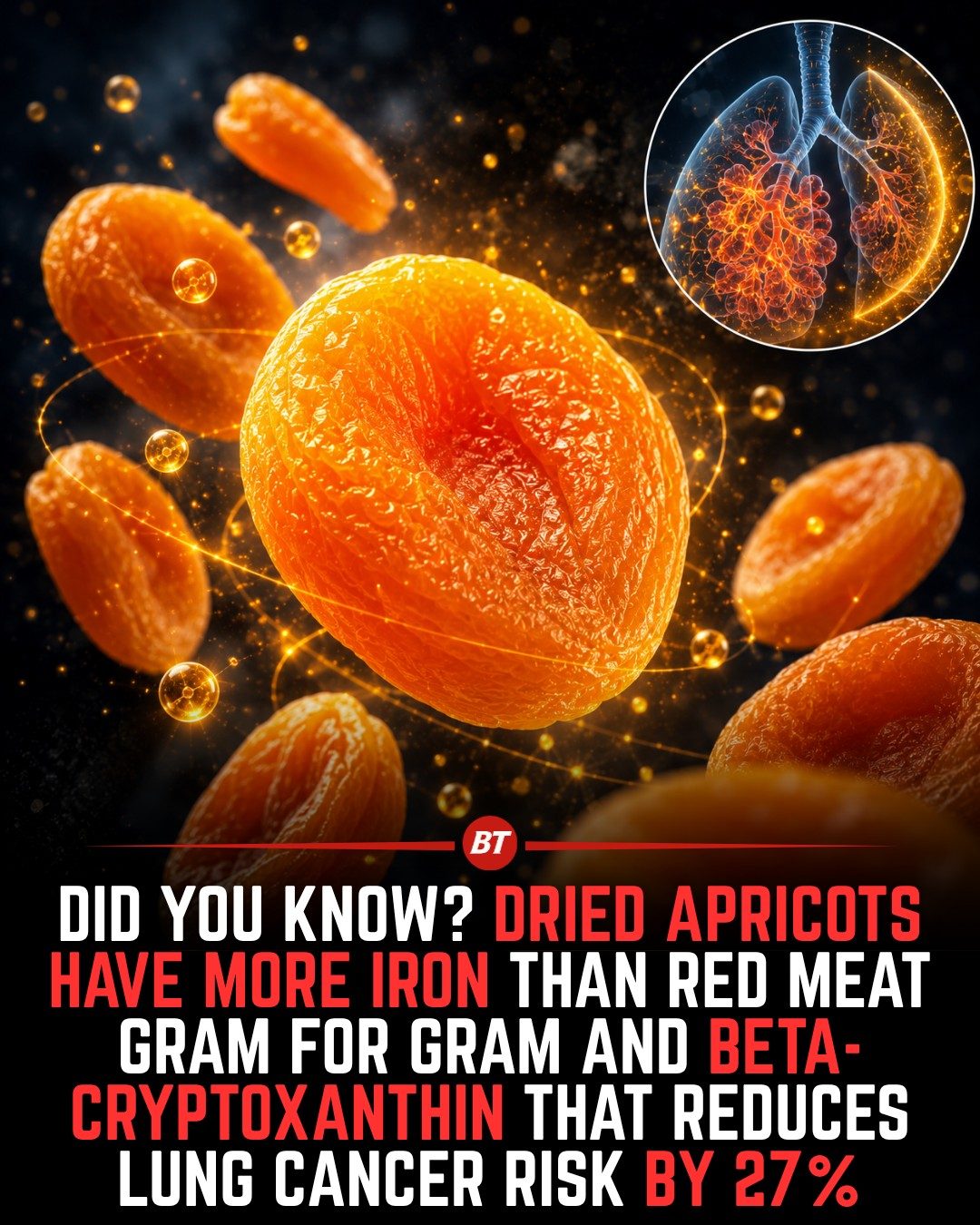
Dried Apricots and Health Benefits
Dried apricots, those tiny, often overlooked dried fruits, offer a concentrated source of crucial nutrients. They stand out particularly for their iron content and the presence of beta-cryptoxanthin, the latter of which is linked to lung health.
Why This Matters
With the growing interest in plant-based diets and the search for natural ways to boost health, dried apricots deserve a closer look. Their nutritional profile makes them a valuable addition to a balanced diet, particularly for those looking to enhance their iron intake and support overall health.
Nutritional Powerhouse
Iron Content
Iron is a fundamental mineral for the body, essential for the production of hemoglobin, which transports oxygen in the blood. Gram for gram, dried apricots contain more iron than many cuts of red meat. However, it’s important to note that the iron in dried apricots is non-heme iron, which is not as readily absorbed by the body as the heme iron found in meat. To enhance absorption, pair dried apricots with a source of vitamin C, such as oranges, strawberries, or kiwi. This combination can significantly improve the body's ability to utilize the iron from dried apricots.
Potassium, Fiber, and Carotenoids
Beyond iron, dried apricots are a rich source of potassium, fiber, and various carotenoids. Potassium is crucial for heart health and blood pressure regulation, while fiber supports digestive health. The carotenoids in dried apricots, particularly beta-cryptoxanthin, offer additional health benefits.
Beta-Cryptoxanthin and Lung Health
Beta-cryptoxanthin is a carotenoid known for its antioxidant properties. Research has shown a compelling link between higher dietary intake of beta-cryptoxanthin and a lower risk of lung cancer. People with the highest intake of this compound have been observed to have about a 27% lower risk of developing lung cancer compared to those with the lowest intake. This protective effect is believed to be due to beta-cryptoxanthin's ability to help protect cells from oxidative damage, although more research is needed to definitively prove causality.
Unfortunately, drying can affect the carotenoid content of apricots. It's important to choose dried apricots that have been minimally processed to retain as many of their beneficial compounds as possible. Additionally, the drying process can cause some loss of vitamin C, which adds to the need to pair dried apricots with other vitamin C-rich foods to maximize iron absorption.
Practical Tips
To incorporate dried apricots into your diet effectively, consider the following tips:
Pairing with Vitamin C
As mentioned, pairing dried apricots with vitamin C-rich foods can enhance iron absorption. Try adding a few dried apricots to a bowl of mixed fruits, or snack on them alongside a glass of orange juice.
Snacking and Meal Planning
Dried apricots make for a convenient and nutritious snack. Keep a small bag in your purse, desk drawer, or gym bag for a quick energy boost. They can also be used in baking or as a topping for oatmeal, yogurt, and salads.
Storage
To maintain the nutritional value of dried apricots, store them in an airtight container in a cool, dry place. Avoid exposure to direct sunlight, as this can degrade the carotenoids and other nutrients.
Important Takeaways
Dried apricots are a powerhouse of nutrients, particularly iron and beta-cryptoxanthin. While they should not be considered a miracle food, they are an easy and tasty way to boost your intake of essential minerals and antioxidants. Pairing them with vitamin C-rich foods can enhance their nutritional benefits, making them a versatile addition to a balanced diet.
Conclusion
Dried apricots offer a wealth of health benefits, from their impressive iron content to their protective carotenoids. Incorporating these dried fruits into your diet can be a simple and enjoyable way to enhance your overall nutritional intake. Whether you enjoy them as a snack or use them in your favorite recipes, dried apricots are a valuable addition to a health-conscious lifestyle.
Watch the Reel
Related deep dives
Similar reads based on topic and creator.




Recent articles
Fresh deep dives from the latest Reels we unpacked.




Comments
Be the first to comment.