What to Eat for Optimal Brain, Liver, Skin, and Bone Health
When it comes to nutrition, different parts of the body have unique needs. The foods that boost brain health might not be the same ones that support skin, hair, or gut health. By understanding what to eat for specific purposes, you can make your nutrition more effective and targeted. Here’s a deep dive into the foods that support different bodily functions.
Why This Matters
Nutrition is not a one-size-fits-all solution. Different organs and systems require specific nutrients to function optimally. By tailoring your diet to meet the needs of specific organs, you can enhance overall health and well-being. This targeted approach ensures that you are getting the right nutrients in the right amounts, which can lead to better outcomes for both short-term and long-term health.
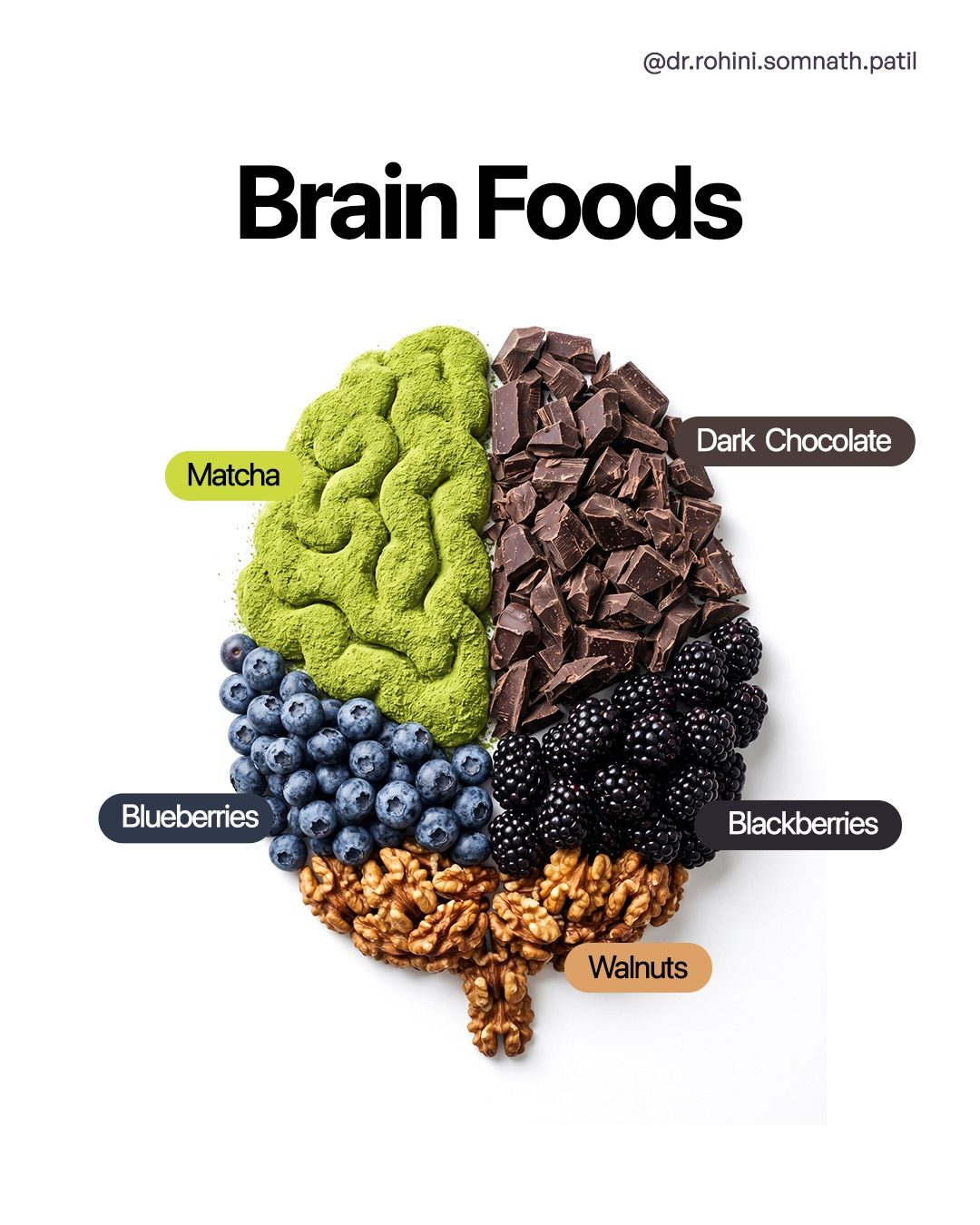
Brain Foods
Brain health is crucial for cognitive function, memory, and mental clarity. Certain foods are particularly beneficial for the brain due to their rich content of antioxidants, healthy fats, and other essential nutrients. Here are some top picks:
Matcha
Matcha is a type of green tea that is packed with antioxidants and caffeine. It also contains L-theanine, an amino acid that can enhance brain function. Matcha has been shown to improve memory, concentration, and overall cognitive performance. The combination of caffeine and L-theanine in matcha promotes alertness and mental clarity without the jitters often associated with coffee.
Dark Chocolate
Dark chocolate is rich in flavonoids, which are powerful antioxidants that can improve blood flow to the brain. This increased blood flow can enhance cognitive function and may even help reduce the risk of age-related cognitive decline. Additionally, the flavonoids in dark chocolate can lower blood pressure and improve heart health, which are both beneficial for overall brain health.
Blueberries and Blackberries
These berries are loaded with antioxidants that can protect brain cells from damage and support overall brain health. The antioxidants in berries, particularly anthocyanins, have been linked to improved memory and cognitive function. Incorporating blueberries and blackberries into your diet can help maintain brain health and potentially slow cognitive decline.
Walnuts
Walnuts are an excellent source of omega-3 fatty acids, which are essential for brain health. Omega-3s play a crucial role in brain development and function, and they have been shown to improve memory, attention, and overall cognitive performance. Walnuts also contain antioxidants and other nutrients that support brain health, making them a valuable addition to any diet.
Liver Foods
The liver is a vital organ involved in numerous metabolic processes, including detoxification, digestion, and nutrient storage. Supporting liver health through diet is essential for overall well-being. Here are some foods that can help maintain a healthy liver:
Radish
Radishes are high in antioxidants and contain compounds that can help the liver detoxify harmful substances. They are also rich in vitamin C, which supports overall liver function. Regular consumption of radishes can help maintain a healthy liver and improve digestion.
Lemon
Lemons are a great source of vitamin C, which supports liver health by aiding in detoxification and promoting liver function. The citric acid in lemons can stimulate the liver’s production of digestive enzymes, helping to break down fats and enhance digestion.
Coriander Leaves
Coriander leaves contain antioxidants and other compounds that can support liver health. They help in the detoxification process and promote the secretion of digestive enzymes, aiding in digestion and overall liver function.
Turmeric
Turmeric contains curcumin, a powerful anti-inflammatory and antioxidant compound. Curcumin has been shown to support liver health by protecting liver cells from damage and improving liver function. Its anti-inflammatory properties can also help reduce inflammation in the liver, which is beneficial for overall liver health.
Garlic
Garlic contains compounds that can support liver health by protecting liver cells and aiding in detoxification. It also has anti-inflammatory and antioxidant properties, which can help reduce inflammation and support overall liver function.
Skin Foods
The skin is the body's largest organ, and its health is a reflection of overall well-being. Proper nutrition can significantly improve skin health, appearance, and resilience. Here are some foods that are particularly beneficial for the skin:
Almonds
Almonds are a rich source of vitamin E, an antioxidant that can help protect the skin from damage and promote skin health. Vitamin E supports skin elasticity and hydration, helping to reduce the appearance of fine lines and wrinkles. Additionally, almonds contain healthy fats that can nourish the skin and improve its overall appearance.
Oranges
Oranges are packed with vitamin C, which is essential for collagen production. Collagen is a protein that plays a crucial role in maintaining skin elasticity and firmness. Regular consumption of oranges can help improve skin texture, reduce the appearance of wrinkles, and promote overall skin health.
Tomatoes
Tomatoes are rich in lycopene, an antioxidant that can help protect the skin from sun damage and support overall skin health. Lycopene has been shown to reduce the risk of skin cancer and improve skin elasticity, making it a valuable addition to any skincare routine.
Fatty Fish
Fatty fish, such as salmon, mackerel, and sardines, are rich in omega-3 fatty acids, which are essential for skin health. Omega-3s help reduce inflammation, improve skin hydration, and support overall skin health. Regular consumption of fatty fish can help reduce the risk of skin conditions like acne and eczema, and improve skin texture and appearance.
Bone Foods
Bone health is crucial for mobility, posture, and overall well-being. Proper nutrition plays a significant role in maintaining strong and healthy bones. Here are some foods that can support bone health:
Yogurt
Yogurt is an excellent source of calcium, which is essential for bone health. Calcium is a mineral that plays a crucial role in maintaining bone density and strength. Regular consumption of yogurt can help reduce the risk of osteoporosis and improve overall bone health. Additionally, yogurt contains probiotics, which can support gut health and aid in nutrient absorption.
Kale
Kale is a nutrient-dense vegetable that is rich in calcium, vitamin K, and other essential nutrients that support bone health. Vitamin K plays a crucial role in bone metabolism and helps maintain bone density and strength. Kale is also a good source of antioxidants, which can help reduce inflammation and support overall bone health.
Black Sesame
Black sesame seeds are a rich source of calcium, which is essential for bone health. Regular consumption of black sesame seeds can help improve bone density and reduce the risk of fractures. Additionally, black sesame seeds contain other essential nutrients, including vitamin E and magnesium, which can support overall bone health and well-being.
Almonds
Almonds are a good source of calcium and vitamin E, both of which are essential for bone health. Calcium is a mineral that plays a crucial role in maintaining bone density and strength, while vitamin E supports bone metabolism and overall health.
Amaranth
Amaranth is a gluten-free grain that is rich in calcium, magnesium, and other essential nutrients that support bone health. Calcium is a mineral that plays a crucial role in maintaining bone density and strength, while magnesium supports bone metabolism and overall health. Regular consumption of amaranth can help reduce the risk of osteoporosis and improve overall bone health.
Figs
Figs are a good source of calcium, which is essential for bone health. Regular consumption of figs can help improve bone density and reduce the risk of fractures. Additionally, figs contain other essential nutrients, including vitamin K and magnesium, which can support overall bone health and well-being.
Practical Tips for Optimizing Organ-Specific Nutrition
Tailoring your diet for optimal organ health doesn't have to be complicated. Here are some practical tips to help you get started:
-
Plan Your Meals: Create a meal plan that includes a variety of foods beneficial for the organs you want to support. This will ensure that you are getting a balanced intake of nutrients.
-
Snack Smart: Include nutrient-dense snacks in your daily routine. For example, a handful of walnuts can provide a quick and healthy boost for brain health, while a glass of orange juice can support skin health.
-
Hydrate Well: Proper hydration is crucial for overall health, including the health of your organs. Drink plenty of water throughout the day to support organ function and overall well-being.
-
Experiment with Recipes: Try out new recipes that incorporate the foods mentioned above. This can make your diet more interesting and enjoyable, while also ensuring that you are getting the nutrients you need.
-
Consult a Professional: If you have specific dietary needs or health concerns, consider consulting a nutritionist or dietitian. They can provide personalized advice and create a diet plan tailored to your unique needs.
Important Takeaways
- Brain Health: Incorporate foods like matcha, dark chocolate, blueberries, blackberries, and walnuts into your diet to support cognitive function, memory, and mental clarity.
- Liver Health: Include radishes, lemons, coriander leaves, turmeric, and garlic in your meals to promote liver function, detoxification, and overall health.
- Skin Health: Consume almonds, oranges, tomatoes, and fatty fish to improve skin texture, elasticity, and hydration.
- Bone Health: Add yogurt, kale, black sesame, almonds, amaranth, and figs to your diet to support bone density, strength, and overall health.
Conclusion
Understanding and addressing the specific nutritional needs of different parts of the body can significantly enhance overall health and well-being. By focusing on targeted foods for brain, liver, skin, and bone health, you can optimize your diet and support your body's unique requirements. Incorporate these foods into your daily meals and snacks, and consult a healthcare professional for personalized advice.
Watch the Reel
Questions readers ask
Which foods are particularly beneficial for enhancing brain function and cognitive health?
Foods like matcha, dark chocolate, and berries are excellent choices for supporting brain health. Matcha is rich in antioxidants and L-theanine, which can improve focus and memory. Dark chocolate contains flavonoids that enhance blood flow to the brain, while berries are packed with antioxidants that help protect brain cells and improve cognitive function.
What are some of the best foods for maintaining liver health and function?
For optimal liver health, incorporate foods like leafy greens, garlic, and avocados into your diet. Leafy greens such as spinach and kale are rich in chlorophyll, which helps detoxify the liver. Garlic contains compounds that stimulate liver enzymes, aiding in detoxification processes. Avocados are high in healthy fats and antioxidants, supporting overall liver function.
Can you name some foods that promote healthy and glowing skin?
Foods that are rich in vitamin C, such as citrus fruits and bell peppers, are great for skin health. These foods help in collagen production, which is essential for maintaining skin elasticity. Omega-3 fatty acids found in fatty fish like salmon and nuts can reduce inflammation and keep the skin hydrated. Additionally, matcha benefits for skin include its high antioxidant content, which helps combat free radicals and promotes a healthy glow.
What foods are recommended for maintaining strong and healthy bones?
To support bone health, focus on foods rich in calcium and vitamin D. Dairy products, leafy greens, and fortified plant-based milks are excellent sources of calcium. Vitamin D, found in fatty fish and fortified foods, aids in calcium absorption. Additionally, foods high in vitamin K, like kale and broccoli, are crucial for bone strength and density.
How can I incorporate liver detox foods into my daily meals?
To incorporate liver detox foods into your daily meals, start by adding ingredients like beets, turmeric, and cruciferous vegetables. Beets contain betaine, which helps the liver eliminate toxins. Turmeric has anti-inflammatory properties and supports liver function. Cruciferous vegetables like broccoli and Brussels sprouts are rich in compounds that help the liver neutralize toxins.
What are some specific brain-healthy foods that can be easily added to any diet?
Some specific brain-healthy foods include walnuts, fatty fish, and turmeric. Walnuts are rich in omega-3 fatty acids, which are essential for brain function. Fatty fish like salmon and mackerel provide DHA, a type of omega-3 that supports cognitive health. Turmeric contains curcumin, a powerful antioxidant that helps improve memory and concentration.
What foods can help promote a healthy liver and aid in detoxification processes?
Incorporating foods such as artichokes, green tea, and apples can aid in liver detoxification. Artichokes contain cynarin, which stimulates bile flow and helps the liver eliminate toxins. Green tea is rich in catechins, which support liver function and detoxification. Apples contain pectin, a soluble fiber that helps bind and remove toxins from the body.
Related deep dives
Similar reads based on topic and creator.




Recent articles
Fresh deep dives from the latest Reels we unpacked.


Comments
Be the first to comment.