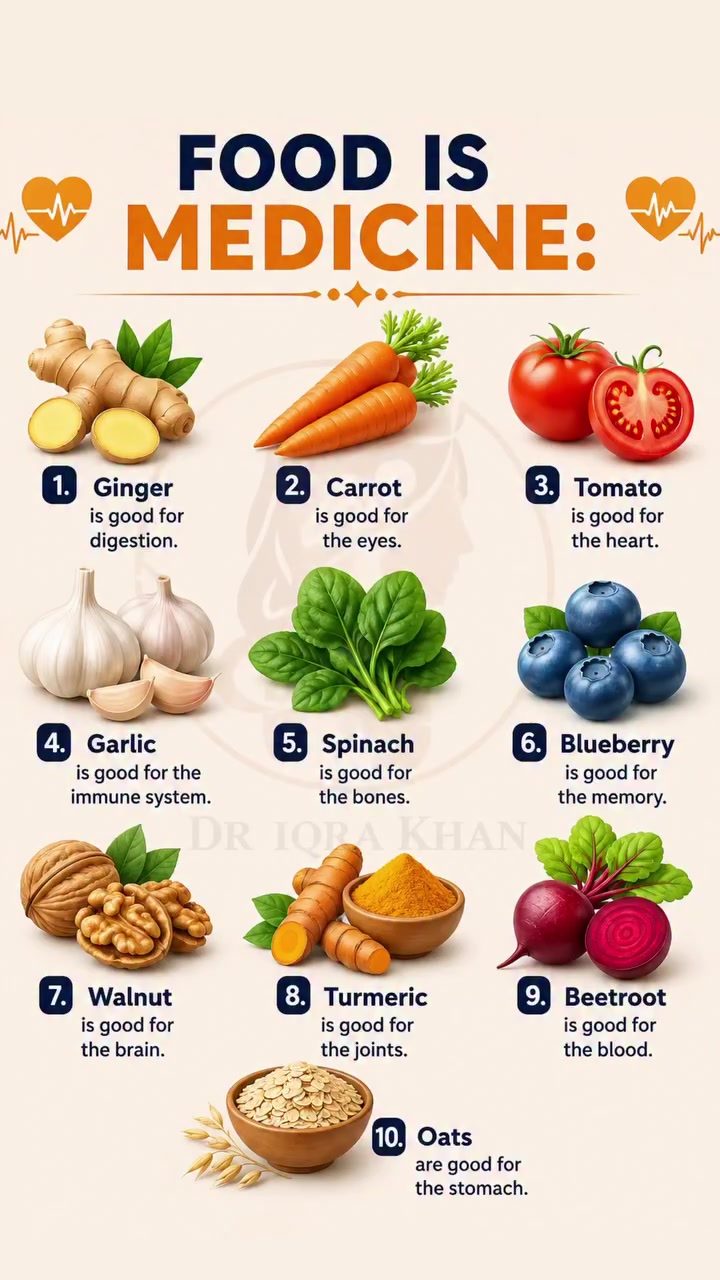
Food as Medicine
Food plays a pivotal role in our overall well-being, and integrating the right ingredients into your diet can significantly enhance various aspects of your health. While not every nutrition claim is substantiated, certain foods have been shown to have evidence-based benefits. Here is a closer look at some of these superfoods and their specific health advantages.
Context / Why This Matters
Understanding the medicinal properties of food can help you make informed choices about what to include in your meals. Incorporating these foods into a balanced diet can support your body’s natural functions, promote wellness, and potentially reduce the risk of certain health issues.
Main Discussion
Ginger
Ginger is renowned for its digestive benefits. It helps in soothing digestive issues such as nausea, indigestion, and bloating. Regular consumption of ginger can alleviate symptoms of gastrointestinal discomfort and support a healthy digestive system.
Carrots
Carrots are rich in vitamin A, which is essential for maintaining healthy vision. The beta-carotene in carrots converts to vitamin A in the body, promoting good eye health. Additionally, carrots are a low-calorie source of fiber, which aids in digestive health.
Tomatoes
Tomatoes are packed with heart-friendly nutrients, particularly lycopene. This powerful antioxidant helps reduce the risk of heart disease by lowering cholesterol levels and improving overall heart health. Tomatoes are also rich in vitamins C and K, which boost immunity and blood clotting functions.
Garlic
Garlic is a powerhouse of immune support. It contains compounds like allicin, which have been shown to enhance immune function. Regular consumption of garlic can help the body fight off infections and may also lower blood pressure and reduce the risk of heart disease.
Spinach
Spinach is an excellent source of vitamin K and magnesium, both of which are crucial for bone health. Vitamin K aids in calcium absorption, which is essential for maintaining strong bones. Magnesium is also necessary for bone structure and muscle function.
Blueberries
Blueberries are known for their memory and brain health benefits. They are rich in antioxidants, which help combat oxidative stress in the brain. Regular consumption of blueberries can improve cognitive function and may even slow down age-related cognitive decline.
Walnuts
Walnuts are a great source of healthy fats, particularly omega-3 fatty acids, which are beneficial for brain health. These fats support brain function and may help reduce the risk of cognitive decline. Walnuts also provide a good dose of fiber, protein, and essential minerals.
Turmeric
Turmeric contains a compound called curcumin, which has potent anti-inflammatory properties. It can help reduce joint inflammation and alleviate symptoms of arthritis. Regular use of turmeric in cooking or as a supplement can support joint health and overall inflammation management.
Beetroot
Beetroot is known for its ability to support blood flow and exercise performance. The nitrates in beetroot convert to nitric oxide in the body, which helps dilate blood vessels and improve blood circulation. This can enhance endurance and performance during physical activities.
Oats
Oats are an excellent source of fiber, particularly beta-glucan, which supports gut health. Fiber helps maintain a healthy digestive system by promoting regular bowel movements and feeding beneficial gut bacteria. This can lead to improved digestion and overall gut health.
Practical Tips
Incorporating these foods into your daily meals can be both enjoyable and beneficial. Here are some practical tips to get started:
- Ginger: Add grated ginger to your smoothies, marinades, or soups. Ginger tea is also a soothing option.
- Carrots: Snack on raw carrots with hummus or add them to salads, stews, and stir-fries.
- Tomatoes: Use fresh tomatoes in salads, sauces, and soups. Canned tomatoes are also a convenient option.
- Garlic: Incorporate garlic into your cooking by adding minced or chopped garlic to stir-fries, pasta, or as a base for sauces.
- Spinach: Use spinach in salads, smoothies, or as a base for your omelette.
- Blueberries: Add blueberries to your morning cereal, yogurt, or smoothies. They also make a great snack on their own.
- Walnuts: Sprinkle walnuts on your salads, oatmeal, or yogurt. They also make a great snack by themselves.
- Turmeric: Add turmeric to your curries, soups, or even your morning smoothie.
- Beetroot: Roast beetroot and add it to salads, or blend it into smoothies for an extra nutritional boost.
- Oats: Start your day with a bowl of oatmeal or use oats in baking for a fiber-rich option.
Important Takeaways
No single food can prevent or cure disease, but incorporating these foods into a balanced diet can support your body’s natural functions and promote overall health. Remember that a healthy lifestyle, including regular exercise and a balanced diet, is key to maintaining good health.
Conclusion
The idea that food can be medicine is grounded in scientific evidence. By understanding the benefits of specific foods and incorporating them into your diet, you can support various aspects of your health. From boosting digestion to enhancing brain function, these foods offer a range of advantages that can contribute to a healthier, more vibrant life.
Watch the Reel
Questions readers ask
Which foods are highlighted in Dr. Iqra Khan's Guide to 10 Foods that Heal?
The guide discusses the benefits of 10 everyday foods, including ginger, garlic, turmeric, beets, spinach, and oats, among others. These foods are recognized for their specific health advantages and healing power.
What are the digestive benefits of ginger discussed in the article?
Ginger is praised for its ability to soothe and support digestive health. It can help alleviate symptoms such as nausea, bloating, and indigestion, making it a valuable addition to one's diet for promoting digestive well-being.
How does garlic support overall wellness?
Garlic is highlighted for its immune-boosting properties. Regular consumption of garlic can enhance the body's natural defenses, potentially reducing the likelihood of falling ill and promoting overall wellness.
What are the potential health benefits of turmeric?
Turmeric contains curcumin, a compound known for its anti-inflammatory properties. This can help relieve inflammation in the body, which is linked to a variety of health issues, and promote overall health and wellness.
How can beets contribute to a balanced diet?
Beets are rich in nitrates, which have been shown to improve blood flow and support heart health. Incorporating beets into your diet can potentially enhance cardiovascular function and contribute to a balanced diet.
What are the advantages of including spinach in a nutritious diet plan?
Spinach is packed with essential nutrients, including vitamins and antioxidants, which can support brain health and overall wellness. Adding spinach to your meals can boost your intake of these beneficial compounds and contribute to a well-rounded diet.
How do oats support a healthy lifestyle?
Oats are a great source of soluble fiber, which can assist in maintaining healthy cholesterol levels and supporting digestive health. Regular consumption of oats can contribute to a well-balanced diet and promote overall wellness.
Recent articles
Fresh deep dives from the latest Reels we unpacked.




Comments
Be the first to comment.