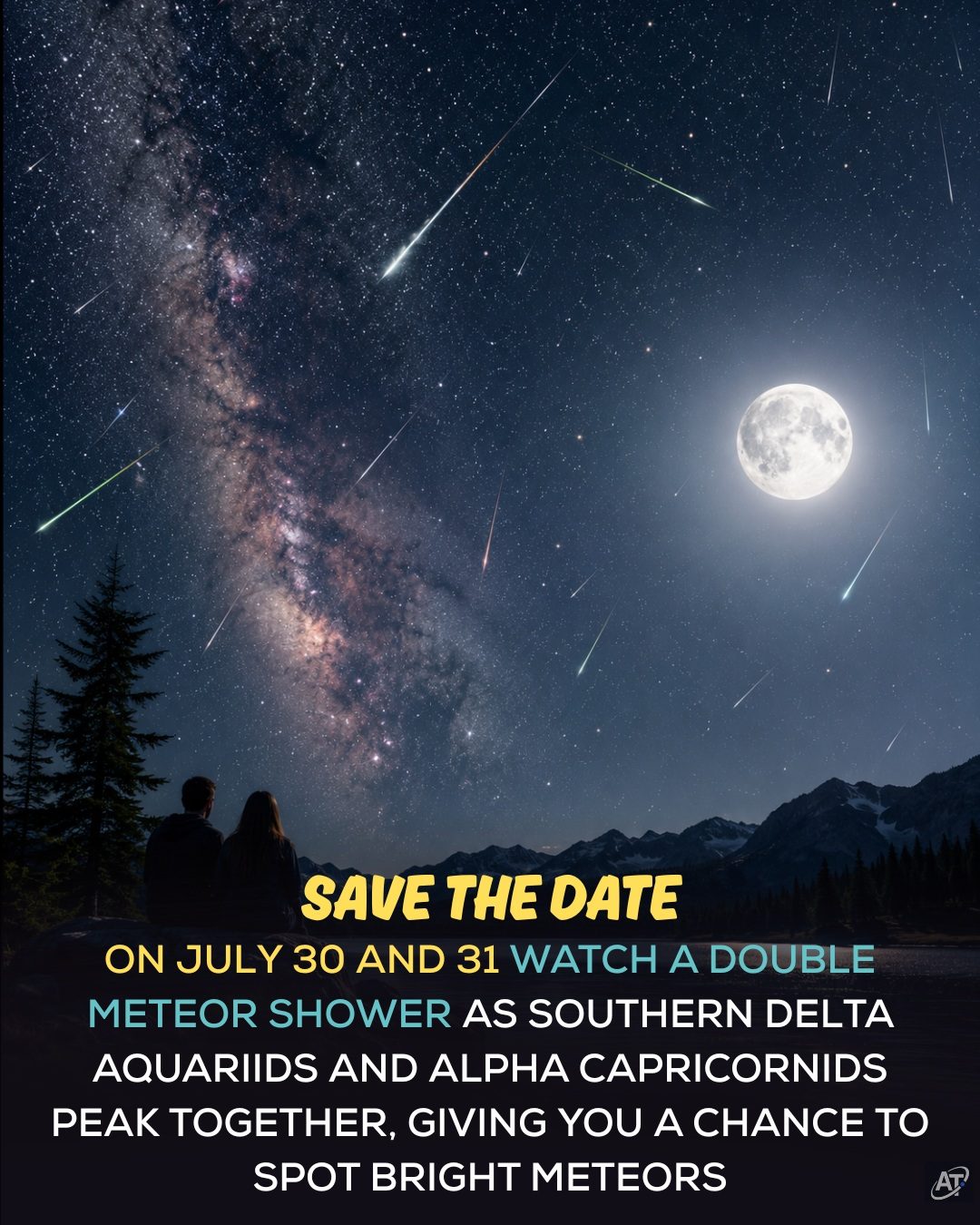
Meteor Shower Viewing: A Rare Double Peak in July
Mark your calendars: a unique celestial event is coming up on the night of July 30–31. This year, two annual meteor showers will coincide, creating a stunning opportunity to witness both the Southern Delta Aquariids and the Alpha Capricornids. This rare overlap is a must-see for anyone interested in astronomy.
Why this matters
The ability to watch two meteor showers simultaneously is a rare treat. The Southern Delta Aquariids and the Alpha Capricornids each offer unique visual experiences, making this a night to remember for stargazers. These showers are known for their distinct characteristics, and seeing them both on the same night is an opportunity you won't want to miss.
Main discussion
The Southern Delta Aquariids
The Southern Delta Aquariids are generally the more active of the two showers, producing a higher number of meteors per hour. These meteors are known for their faint, fast streaks that light up the night sky. For the best viewing, head to a dark location, especially in the southern sky. The shower produces around 15-20 meteors per hour under ideal conditions, offering a dynamic display of celestial activity.
The Alpha Capricornids
The Alpha Capricornids, while less active, are famous for their bright fireballs. These meteors move more slowly but are much brighter and more dramatic. The slower pace allows for a more leisurely viewing experience, where each meteor can be fully appreciated. The Alpha Capricornids produce fewer meteors, but the quality of the show is undeniable.
Practical tips
Viewing Tips
To get the most out of this double meteor shower, follow these tips:
- Find a Dark Location: Avoid urban areas with light pollution. The darker the sky, the better you'll be able to see the meteors.
- Look South: Both showers are best viewed from the southern sky. Position yourself to get a clear view of this region.
- Patience and Comfort: Bring a blanket or a comfortable chair. It takes at least 20 minutes for your eyes to fully adjust to the darkness, so be prepared to settle in.
- Timing Matters: The best time to watch is after midnight until dawn. The radiant points are higher in the sky during this period, making the meteors more visible.
Finding the Right Spot
Choosing a spot with an unobstructed view of the southern sky is crucial. Parks, open fields, and elevated locations are ideal. Make sure to check the weather forecast to ensure clear skies.
Equipment
For this particular event, you won’t need any special equipment. Just bring your eyes, a dark sky, and plenty of patience. Binoculars and telescopes are not necessary, as they can actually hinder your ability to see the entire sky.
Important takeaways
Be Patient
Meteor showers require patience. Don't expect to see meteors every minute. The excitement lies in the unpredictability, so give your eyes time to adjust and enjoy the moment.
No Special Equipment Needed
Forget the heavy gear. This is an event that can be enjoyed with the naked eye, making it accessible for anyone.
Weather Conditions Matter
A clear night sky is essential for optimal viewing. If there's any chance of cloud cover, consider rescheduling your viewing.
The Full Buck Moon Factor
The Full Buck Moon, which occurs just a day before on July 29, may wash out some of the fainter meteors. This means the brighter Alpha Capricornid fireballs will be the stars of the show.
Conclusion
The upcoming double meteor shower on July 30 and 31 is a spectacular opportunity to witness a rare celestial event. With the Southern Delta Aquariids and the Alpha Capricornids both active, the night promises a mix of faint, fast meteors and bright, dramatic fireballs. So, get ready for a night under the stars, and enjoy the show!
Watch the Reel
Questions readers ask
What are the dates for the double meteor showers this year?
The double meteor showers, featuring the Southern Delta Aquariids and the Alpha Capricornids, will peak on the night of July 30–31. This is the best time to view both showers simultaneously.
What makes the Southern Delta Aquariids and Alpha Capricornids meteor showers unique?
The Southern Delta Aquariids are known for their high rate of meteors, often producing around 15-20 meteors per hour at their peak. In contrast, the Alpha Capricornids are known for producing bright meteors, some of which can leave persistent trains. This combination offers a varied viewing experience.
How can I best prepare for viewing the double meteor showers?
For optimal viewing, find a dark sky location away from city lights. Allow your eyes to adjust to the darkness for about 20-30 minutes. Bring a blanket or chair, and be patient, as these showers can produce meteors throughout the night.
Can I view both meteor showers at the same time?
Yes, the Southern Delta Aquariids will radiate from the constellation Aquarius, while the Alpha Capricornids will radiate from the constellation Capricornus. By facing southeast, you can position yourself to see meteors from both showers.
What equipment do I need to observe the meteor showers?
No special equipment is required to observe meteor showers. Binoculars or telescopes are not needed; in fact, they can hinder your view by narrowing your field of vision. Just your eyes and a clear, dark sky are all you need.
What if it’s cloudy or I can’t see the meteors on July 30–31?
If the weather is unfavorable, you can still try to catch some meteors in the days leading up to and following the peak. The showers will be active from July 12 to August 23 for the Southern Delta Aquariids and July 3 to August 15 for the Alpha Capricornids, although at a lower rate.
Related deep dives
Similar reads based on topic and creator.

Recent articles
Fresh deep dives from the latest Reels we unpacked.




Comments
Be the first to comment.