Controversial Food Claim
The recent discovery by researchers at Stanford University has sparked controversy and intrigue, thanks to the involvement of a common food dye and a well-known snack food. The researchers applied tartrazine, a yellow food dye, to make a mouse’s skin appear temporarily transparent. This breakthrough allows scientists to observe internal organs without invasive procedures, potentially revolutionizing medical imaging and research. However, the connection to Doritos, a popular snack food, has added a twist to this scientific discovery.
Snack Food and Medical Research
The intersection of food and medical research has always been a fascinating area. Food dyes, in particular, have long been used in various products, including snack foods, to enhance their visual appeal. Tartrazine, the dye in question, is a common ingredient in many foods and beverages, including Doritos.
The discovery that tartrazine can induce temporary transparency in mouse skin raises several questions and concerns. While the application in medical imaging is promising, the implications for consumers are less clear. The fact that a common food dye can have such a dramatic effect on skin transparency has led to intense debate and speculation.
What Happens When Snack Food Meets Medical Science?
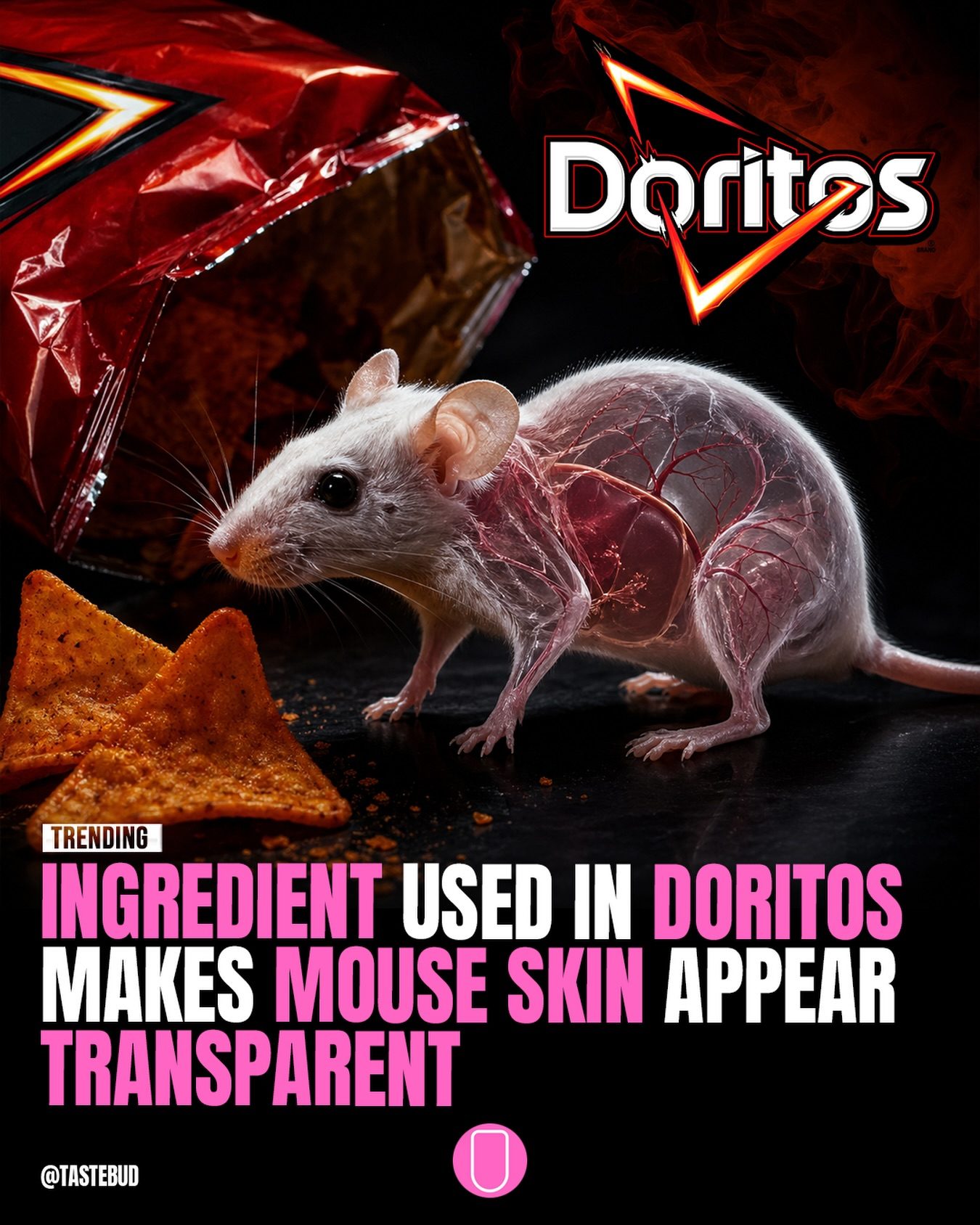
The visuals of a mouse with transparent skin next to a Dorito chip have certainly caught attention. This graphic illustrates the sensational claim at the heart of this controversy – that an ingredient in Doritos can make mouse skin appear transparent. The implications of such a claim are far-reaching, touching on issues of food safety, consumer awareness, and the potential for new medical applications.
Understanding the Science
At the core of this discovery is the use of tartrazine, a synthetic dye commonly used in processed foods, cosmetics, and pharmaceuticals. The dye is known for its bright yellow color, which is often used to enhance the appearance of products. Tartrazine belongs to a class of dyes called azo dyes, which have been under scrutiny for their potential health effects.
Researchers at Stanford University found that tartrazine can temporarily alter the optical properties of mouse skin, making it appear transparent. This effect is due to the dye's interaction with the skin's tissues, specifically its ability to change the refractive index of the skin. This makes the skin temporarily transparent, allowing for a clear view of the internal organs.
The Medical Implications
The ability to make skin temporarily transparent has significant implications for medical imaging and research. Non-invasive imaging techniques are crucial for monitoring health conditions, diagnosing diseases, and conducting research without causing harm to the subject. The use of tartrazine could potentially revolutionize these techniques, providing a safer and more efficient method for observing internal organs.
Consumer Concerns
While the medical applications are promising, the public has taken a keen interest in the potential risks associated with consuming products containing tartrazine. The visual connection between Doritos and the transparent mouse skin has raised questions about the safety of consuming such products.
Addressing Misconceptions
It is essential to address some common misconceptions that have arisen from this discovery. First and foremost, there is no evidence to suggest that consuming Doritos or any other food containing tartrazine will make a person's skin transparent. The effect observed in mice was achieved through a specific application of the dye and is not a result of ingestion.
Scientific vs. Sensational
The scientific discovery involving tartrazine should not be confused with sensational claims. The visuals of a mouse with transparent skin next to a Dorito chip have been used to grab attention, but the actual science behind the discovery is more nuanced and complex. The researchers at Stanford University have made a breakthrough that could have significant implications for medical imaging, but it is essential to separate fact from fiction.
Ingredients and Food Safety
The controversy surrounding Doritos and tartrazine highlights the importance of understanding food ingredients and their potential effects. Consumers have a right to know what they are ingesting and how it might affect their health. While tartrazine is generally recognized as safe by regulatory authorities, ongoing research is crucial to ensure its safety and efficacy in various applications.
Practical Tips
Read Labels
Consumers should take the time to read food labels and understand the ingredients in the products they consume. This knowledge can help individuals make informed decisions about their diet and health.
Stay Informed
Staying informed about scientific research and its implications is essential. While the discovery involving tartrazine is intriguing, it is important to rely on credible sources and separate scientific fact from sensational claims.
Consult Professionals
For any health-related concerns, it is always best to consult healthcare professionals. They can provide guidance and address any questions or concerns related to food ingredients and their potential effects on health.
Important Takeaways
The discovery that tartrazine can make mouse skin appear temporarily transparent highlights the intersection of food and medical science. While the potential applications in medical imaging are promising, it is crucial to address the concerns and misconceptions that have arisen from this discovery. Consumers should be informed about the ingredients in their food and the potential effects on their health. Separating fact from fiction is essential to ensure accurate and safe practices, whether in medical research or consumer awareness.
Conclusion
The controversy surrounding Doritos and the use of tartrazine in medical research underscores the complex relationship between food, science, and consumer health. Understanding the science behind these discoveries and separating fact from fiction is crucial for informed decision-making. The discovery at Stanford University has the potential to revolutionize medical imaging, but it also highlights the importance of transparency and informed consumer choices.
Watch the Reel
Questions readers ask
What is tartrazine and why is it significant in recent medical research?
Tartrazine is a yellow food dye commonly used in various foods, including Doritos. Its significance in recent medical research lies in its ability to induce temporary skin transparency in mice, which could have applications in medical imaging and research.
How did the researchers at Stanford University discover the potential of tartrazine?
Researchers at Stanford University applied tartrazine to mice, observing that it made their skin temporarily transparent. This allowed for non-invasive observation of internal organs, highlighting the dye's potential for medical advancements.
What are the implications of the tartrazine discovery for medical imaging?
The discovery that tartrazine can induce skin transparency in mice opens up new possibilities for medical imaging. It could potentially reduce the need for invasive procedures, making it easier and safer to observe internal organs.
Why has the connection between Doritos and the tartrazine discovery sparked controversy?
The connection to Doritos, a widely consumed snack food, has raised questions about consumer awareness and food safety. Many consumers may be unaware of the potential medical applications of ingredients in their food, sparking debate and interest.
Are there any concerns related to the use of tartrazine in food?
While tartrazine has been approved for use in foods, the discovery of its potential medical applications has brought attention to food safety and consumer awareness. Some consumers may be concerned about the use of dyes in their food, particularly if they are unaware of their applications.
What other food dyes have medical potential?
The potential of tartrazine has highlighted the broader question of whether other food dyes might have unexpected medical applications. While tartrazine is the most recent example, further research could uncover similar properties in other food dyes.
What steps should consumers take regarding the information on tartrazine?
Consumers should stay informed about the ingredients in their food and any potential applications. While the discovery of tartrazine's medical potential is intriguing, it's important to note that further research is needed to fully understand its implications. If you have concerns, consult a healthcare provider.
Related deep dives
Similar reads based on topic and creator.




Recent articles
Fresh deep dives from the latest Reels we unpacked.




Comments
Be the first to comment.