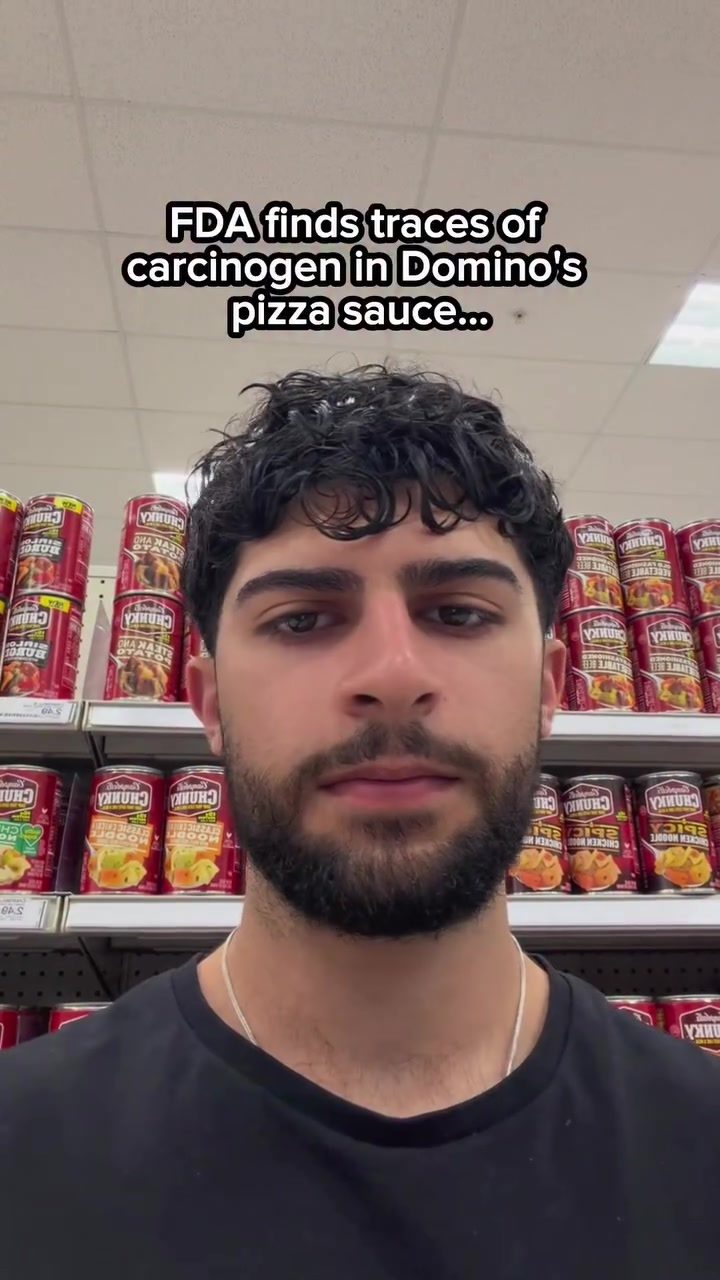
Pizz Sauce and the Controversy Surrounding Additives and Carcinogens
Pizza sauce, a staple in countless kitchens and restaurants, has recently come under scrutiny due to concerns about carcinogenic byproducts and additives. This controversy has sparked discussions about the safety and quality of ingredients in mass-produced food items. Understanding the issues at hand is crucial for making informed decisions about what we consume.
Context and Importance
The recent revelations about pizza sauces, particularly those used by major chains, have raised significant concerns among consumers. These concerns are not unfounded, as certain sauces have been found to contain additives and byproducts that pose potential health risks. This issue is particularly relevant for those who enjoy pizza frequently or consume foods with similar sauce bases.
Understanding the Controversy
The Role of Caramel Coloring Byproducts
One of the primary concerns involves caramel coloring byproducts, such as 4-MEI. This compound, 4-Methylimidazole, is a known carcinogen when present at higher levels. Caramel coloring is often used in food products to achieve a consistent color, but the processing methods can lead to the formation of 4-MEI. This is not about the natural tomato base of the sauce but rather the additives and processing techniques used to maintain flavor and color.
Additives and Industrial Processes
Pizza sauces, especially those used by large chains, often contain a multitude of additives. These additives serve various purposes, from enhancing flavor to extending shelf life. However, the excessive use of such additives can be a red flag. For instance, some sauces may contain over 44 industrial additives, which can compromise the overall quality and safety of the product. The use of agents to keep industrial vats from bubbling over is another example of how processing can introduce unwanted chemicals into the final product.
The Case of Domino's Pizza Sauce
The controversy surrounding Domino's pizza sauce is a stark example of these issues. Reports indicate that 15,000 kilograms of Domino's pizza sauce were rejected after testing positive for ethylene oxide, a pesticide and known carcinogen. This revelation has raised alarm bells among consumers and health advocates alike. Ethylene oxide is a chemical used to fumigate foods, and its detection in pizza sauce underscores the need for stricter quality control measures.
The Role of Cheese and Other Ingredients
The debate about pizza sauce also extends to other ingredients, such as cheese. In some cases, the cheese used in pizzas is not natural but rather a blend of restructured phosphates holding grease together. This artificial cheese lacks the nutritional value and flavor of real cheese, raising further questions about the integrity of the product.
What About Chuck E. Cheese?
In the midst of this controversy, Chuck E. Cheese has come under scrutiny as well. While the brand has not been directly implicated in the ethylene oxide scandal, the overall concern about additive usage and processing methods applies universally. Consumers are increasingly aware of the importance of transparency in food production, and brands like Chuck E. Cheese need to address these concerns to maintain consumer trust.
Practical Tips for Consumers
In light of these concerns, it is essential for consumers to be vigilant about the food they consume. Here are some practical tips to help navigate the world of pizza sauces and other processed foods:
Check the Ingredients List
Always read the ingredients list on the packaging. Look for any additives or preservatives that you are unsure about. Opt for products with fewer additives and more natural ingredients.
Choose Quality Over Quantity
Opt for pizzas and sauces that prioritize quality over quantity. Brands that use natural ingredients and minimal processing are generally a safer bet. While they may be more expensive, the health benefits often outweigh the cost.
Look for Transparent Labeling
Choose products that have transparent labeling. Brands that clearly list all ingredients, including any additives, are more trustworthy. Transparency is key to building consumer trust.
Support Local and Artisanal Brands
Whenever possible, support local and artisanal brands. These smaller producers often use fresher, more natural ingredients and have more control over their production processes.
Important Takeaways
The controversy surrounding pizza sauces highlights the need for greater transparency and accountability in the food industry. Consumers have a right to know what they are eating, and brands must be held accountable for the ingredients they use. The presence of carcinogenic byproducts and excessive additives in pizza sauces is a serious concern that warrants attention.
Conclusion
Pizza sauce, while a beloved component of many dishes, has become a focal point in discussions about food safety and quality. The presence of carcinogenic byproducts, excessive additives, and questionable processing methods raises serious concerns about the safety of mass-produced food items. Consumers must be proactive in seeking out high-quality, natural products and holding brands accountable for their practices. By doing so, we can ensure that our dietary choices contribute positively to our overall health and well-being.
Watch the Reel
Questions readers ask
What is 4-MEI and why is it mentioned in the Domino's pizza sauce controversy?
4-MEI, or 4-Methylimidazole, is a byproduct found in some caramel colorings used in food and beverages. It has been identified as a potential carcinogen in high doses and has sparked concern among consumers about its presence in pizza sauces, including those used by Domino's.
Has the FDA addressed the issue of 4-MEI in food products?
Yes, the FDA has evaluated the safety of 4-MEI. The agency has set an acceptable daily intake limit, and many manufacturers have reformulated their products to reduce or eliminate 4-MEI. Domino's has also addressed this issue by reformulating their pizza sauce.
What steps has Domino's taken to address concerns about their pizza sauce?
Domino's has responded to consumer concerns by reformulating their pizza sauce to remove the caramel color, which contained 4-MEI. They have also been transparent about the changes and committed to using high-quality ingredients. The company has also been working to ensure the safety of their products.
Are there other additives in pizza sauces that consumers should be aware of?
Yes, in addition to 4-MEI, consumers should be aware of other industrial additives used in mass-produced pizza sauces. These may include preservatives, flavor enhancers, and colorings that could pose potential health risks. Being informed about these ingredients can help consumers make better choices.
What can consumers do to keep their pizza sauce safe?
Consumers can take several steps to ensure the safety of their pizza sauce. These include checking ingredient lists for any additives of concern, opting for homemade sauces, or choosing brands that prioritize natural ingredients. Additionally, staying informed about industry reforms and regulatory updates can help.
Who is Julian Youhanan and why is he relevant to the Domino's pizza controversy?
Julian Youhanan is a consumer advocate who conducted tests of Domino's pizza sauce in a lab, which revealed the presence of 4-MEI and other potential carcinogens. His efforts have helped bring awareness, prompting further scrutiny of industrial additives in mass-produced foods.
What are some potential health risks associated with industrial additives in food?
Industrial additives in food have been linked to various health issues, including allergies, digestive problems, and even more serious conditions like cancer. Some of these additives, such as 4-MEI, have been identified as potential carcinogens, which is why it's important to be aware of what's in the food we consume.
Recent articles
Fresh deep dives from the latest Reels we unpacked.




Comments
Be the first to comment.