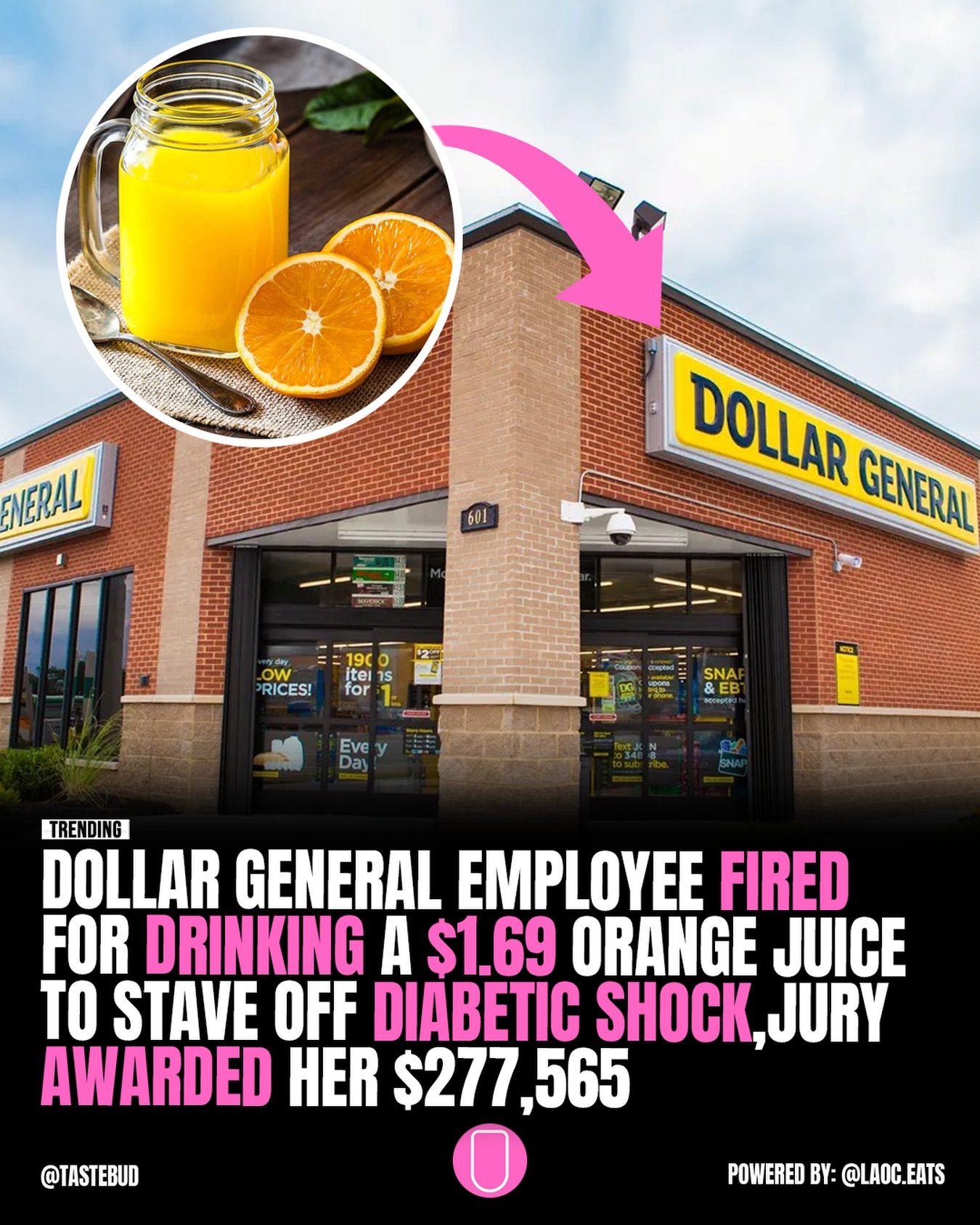
Dollar General Orange Juice: Workplace Accommodations and Diabetic Emergency
Orange juice, a staple in many households, often serves as a convenient and economical source of hydration and vitamin C. However, a recent incident at a Dollar General store involving a diabetic employee highlights the broader issues of workplace accommodations and emergency responses for employees with medical conditions.
Context / Why this matters
On a typical shift at a bustling Dollar General store, an employee faced a life-threatening situation: a hypoglycemic episode caused by dangerously low blood sugar. This emergency required immediate action, leading to a controversial decision that ultimately resulted in a significant court case. The case underscores the critical need for clear workplace policies and the importance of understanding medical emergencies like hypoglycemia.
The Incident at Dollar General
The Emergency
During her shift, a Dollar General employee, who has diabetes, experienced symptoms of a hypoglycemic episode. Hypoglycemia, a condition characterized by low blood sugar, can cause symptoms such as dizziness, confusion, and even loss of consciousness. The employee, recognizing the urgency of the situation, grabbed a $1.69 orange juice from the store's shelves to quickly raise her blood sugar levels and prevent a severe episode. Her decision, however, set off a chain of events that led to her termination.
The Store Policy and Legal Consequences
The employee's actions, while life-saving, were perceived as a violation of Dollar General's store policy, which strictly prohibits employees from consuming store merchandise without permission. This policy, though intended to prevent theft and maintain order, did not account for medical emergencies. The company subsequently terminated the employee for violating the established rules, despite her clear medical need.
The Legal Battle
Recognizing the injustice, the former employee decided to take legal action. The court case highlighted the critical need for employers to consider medical emergencies and to make necessary accommodations for employees with chronic health conditions. After evaluating the circumstances, a jury sided with the former employee and awarded her $277,565 in damages. This verdict underscored the importance of workplace policies that balance corporate rules with the well-being of employees.
The Broader Implications
The incident at Dollar General raises several critical questions about workplace accommodations and the handling of medical emergencies. The case underscores the need for clear guidelines that recognize the unique challenges faced by employees with chronic health conditions. It also highlights the importance of training for both employees and managers to handle such situations appropriately. Companies must consider the human element in their policies, ensuring that health and safety always remain top priorities.
Understanding Hypoglycemia
Hypoglycemia occurs when blood sugar levels drop below the normal range, typically below 70 mg/dL. This can happen for various reasons, including missed meals, excessive physical activity, or medication side effects. Symptoms can range from mild, such as sweating, hunger, and shakiness, to severe, including confusion, loss of consciousness, and seizures. For individuals with diabetes, recognizing and responding to hypoglycemia promptly is crucial to prevent life-threatening complications.
The Role of Orange Juice
Orange juice is a common and effective solution for raising blood sugar levels quickly. Its high sugar content makes it an ideal choice for treating mild to moderate hypoglycemia. However, it’s essential to recognize that while orange juice can be life-saving, it is also important to consult a healthcare provider for personalized advice on managing hypoglycemia. It is vital to understand the specific needs and limitations of individuals with diabetes.
Practical tips
For Employees
Recognizing your rights and responsibilities in the workplace is crucial. If you have a medical condition like diabetes, consider the following steps:
- Discuss Accommodations: Speak with your employer about your health condition and the potential need for workplace accommodations. Employers have a responsibility to provide a safe and supportive environment for all employees.
- Carry Emergency Supplies: Always have quick sources of glucose, such as glucose tablets, hard candy, or juice, readily available in case of an emergency.
- Educate Colleagues: Inform your colleagues about your condition and the signs of a hypoglycemic episode. Clear communication can foster a supportive workplace.
- Know Your Rights: Understand your legal rights as an employee with a disability. Laws such as the Americans with Disabilities Act (ADA) in the United States protect employees from discrimination and ensure reasonable accommodations.
For Employers
Workplace policies must balance corporate rules with the well-being of employees, especially those with chronic health conditions. Consider these steps to create a more supportive environment:
- Review and Update Policies: Ensure that workplace policies address medical emergencies and provide clear guidelines for handling such situations.
- Training and Awareness: Provide training for employees and managers on recognizing and responding to medical emergencies, including hypoglycemia.
- Supportive Environment: Foster a culture that supports employees with medical conditions and encourages them to seek help when needed.
- Reasonable Accommodations: Understand the concept of reasonable accommodations and ensure that your workplace policies reflect this. This could include flexible schedules, designated rest areas, or access to emergency supplies.
Important takeaways
The incident at Dollar General highlights the critical need for clear, empathetic, and well-thought-out workplace policies that consider the health and safety of all employees. For those with diabetes, understanding and responding to hypoglycemic episodes is crucial. Employers must prioritize the well-being of their employees, ensuring that corporate rules do not overshadow the importance of medical emergencies.
Ultimately, this case underscores the importance of recognizing the unique challenges faced by employees with medical conditions and taking proactive steps to create a supportive and inclusive workplace environment. By doing so, companies can foster a culture of care and respect, ensuring that all employees feel valued and supported.
Conclusion
The case of the Dollar General employee highlights the broader implications of workplace policies and the need for clear guidelines that balance corporate rules with the well-being of employees. Recognizing and responding to medical emergencies, such as hypoglycemia, is crucial for maintaining a safe and supportive workplace. By understanding the unique needs of employees with chronic health conditions and providing appropriate accommodations, companies can foster a more inclusive and caring environment.
Watch the Reel
Questions readers ask
What led to the termination of the Dollar General employee?
The Dollar General employee was terminated after consuming a $1.69 orange juice during a hypoglycemic emergency to manage their low blood sugar levels, sparking a debate on workplace medical emergency policies.
Why is the Dollar General case significant for workplace health and safety?
The case highlights the importance of clear policies for managing medical emergencies and accommodating employees with health conditions, ensuring a safe and supportive work environment for everyone.
What should employees with diabetes do in case of a hypoglycemic emergency at work?
Employees experiencing a hypoglycemic emergency at work should follow their established treatment plan, such as consuming orange juice or other glucose-rich items, and inform their supervisor or manager if possible.
What accommodations should workplaces provide for employees with diabetes?
Workplaces should offer accommodations like flexible break times, access to glucose tablets or juice, and clear policies for emergency responses. This ensures employees can effectively manage their diabetes and maintain their health.
Are employers required to provide specific items, like orange juice, for employees with diabetes?
Employers should be aware of their legal responsibilities to accommodate employees with disabilities or medical conditions, and may be expected to provide specific items, like orange juice, to help prevent or manage emergencies. However, specific requirements may vary depending on local labor laws and individual circumstances.
What can employees do if they feel their workplace does not accommodate their medical needs?
Employees should first review their workplace's policies and discuss their concerns with their manager or human resources department. If necessary, they can seek legal advice or file a complaint with the appropriate labor or health agency.
How can workplaces prevent similar incidents and lawsuits in the future?
Workplaces can prevent similar incidents by implementing clear policies on medical emergencies and accommodations, training managers to handle such situations, and fostering an open dialogue with employees about their health needs.
Related deep dives
Similar reads based on topic and creator.


Recent articles
Fresh deep dives from the latest Reels we unpacked.




Comments
Be the first to comment.