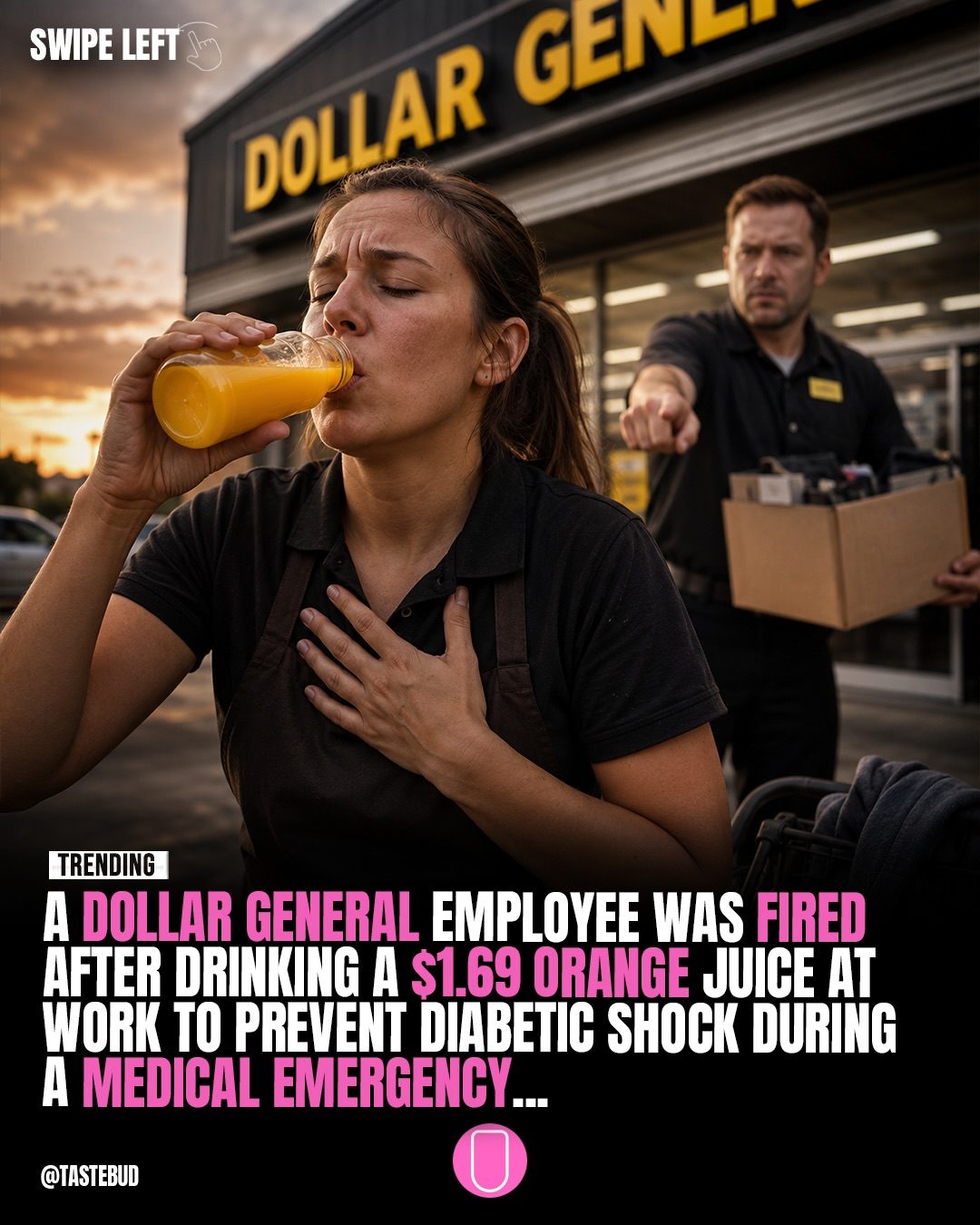
When Dollar General fired an employee for drinking a $1.69 orange juice during a health emergency, it sparked a significant legal battle. The employee, who has diabetes, drank the juice to stabilize her low blood sugar levels. The company, however, deemed this action a violation of its "grazing" policy and terminated her employment. A federal jury eventually sided with the employee, awarding her over $277,000 in damages and back pay.
Context / Why This Matters
This case highlights the intersection of workplace policies, health emergencies, and legal recourse for employees. It raises important questions about the balance between company rules and employee health and safety, particularly for those with medical conditions.
Main Discussion
The Event
The incident unfolded when the employee, experiencing symptoms of low blood sugar, drank a $1.69 orange juice from the store to stabilize her condition. She paid for the juice afterward, but the company’s internal "grazing" policy allegedly prohibited consuming items without proper authorization. This policy typically aims to prevent employees from eating or drinking store merchandise without paying, even if the items are later reimbursed.
Company’s Stance
Dollar General cited the employee’s action as a clear violation of its "grazing" policy. While the company’s goal is to maintain control over inventory and prevent theft, this strict interpretation of the policy led to the employee’s termination.
Employee’s Defense and Legal Outcome
The employee argued that her action was a necessary response to a medical emergency. She claimed that her diabetes required immediate intervention to prevent a more severe health crisis. A federal jury agreed with her stance, awarding her $277,565 in damages and back pay. This decision underscored the importance of considering an employee’s medical needs and the potential consequences of strict policy enforcement.
The Role of Medical Emergencies
This case underscores the delicate balance between corporate policies and the immediate needs of employees, particularly those with chronic conditions. Medical emergencies can arise unexpectedly, and companies must consider the potential for such situations when drafting policies. The outcome suggests that there is a need for flexibility in employee policies to accommodate health-related emergencies.
The "Grazing" Policy
The "grazing" policy at Dollar General aims to prevent employees from consuming store merchandise without proper reimbursement. However, the strict enforcement of this policy in the context of a medical emergency raises questions about its practicality and fairness. Policies should ideally be flexible enough to consider the unique circumstances of each situation, especially when health and safety are at stake.
Practical Tips
Tips for Employees
- Document Everything: Keep a record of any medical episodes or emergencies that occur at work. This can provide a clear timeline and evidence in case of a dispute.
- Understand Your Rights: Employees with medical conditions should be aware of their rights and the protections they are entitled to under the law.
- Seek Legal Advice: If faced with a similar situation, consider seeking legal advice to understand the possible recourse.
Tips for Employers
- Review and Adjust Policies: Regularly review workplace policies to ensure they are fair, flexible, and considerate of various situations, including medical emergencies.
- Train Managers on Sensitivity: Provide training for managers on how to handle situations involving employees with medical conditions. Sensitivity and understanding are key.
- Provide Clear Guidelines: Ensure that all employees are aware of the company’s policies and the appropriate steps to take in an emergency.
Important Takeaways
- Health Comes First: In situations where an employee’s health is at risk, immediate action should be prioritized over strict policy adherence.
- Policy Flexibility: Workplace policies should be flexible and considerate of unique circumstances, especially when it comes to health-related emergencies.
- Legal Implications: Employers must be aware of the potential legal implications of enforcing strict policies in situations where an employee’s health is at risk.
Conclusion
The case involving the Dollar General employee and the orange juice incident serves as a cautionary tale for both employers and employees. It underscores the importance of balancing strict policies with the needs of employees, particularly those with medical conditions. Companies must ensure their policies are fair, flexible, and considerate of health-related emergencies. Employees, on the other hand, should be aware of their rights and seek appropriate recourse if faced with similar situations. Ultimately, this case highlights the need for a more empathetic and understanding approach to workplace policies and medical emergencies.
Watch the Reel
Questions readers ask
What was the specific policy that led to the employee's termination at Dollar General?
The employee was terminated for violating Dollar General's 'grazing' policy. This policy prohibits employees from consuming food or drinks without paying for them, which the company deemed a theft of company property. This particular policy was at the center of the legal battle as it was used to justify the employee's termination.
Why did the employee drink the orange juice during work hours?
The employee, who has diabetes, drank the orange juice to treat a low blood sugar emergency. This was a necessary action to stabilize her blood sugar levels and prevent a potential medical crisis. This fact was a key point in the legal case, highlighting the importance of health emergencies in the workplace.
What was the outcome of the legal case against Dollar General?
A federal jury ruled in favor of the employee, awarding her over $277,000 in damages and back pay. This verdict underscored the jury's belief that Dollar General's actions were not justified and that the employee's health emergency should have been accommodated.
What does this case imply about employer responsibilities during employee health emergencies?
This case suggests that employers should prioritize employee health and safety, especially during medical emergencies. Companies should have clear policies and training in place to accommodate such emergencies, potentially avoiding legal disputes and ensuring the well-being of their employees.
How can employers better accommodate employees with medical conditions like diabetes?
Employers can take several steps to better accommodate employees with medical conditions. This includes providing clear guidelines for handling emergencies, allowing for necessary breaks and medical care, and fostering a supportive work environment. Implementing such measures can help prevent similar incidents and support the overall health and productivity of the workforce.
What is the significance of the Dollar General lawsuit in the context of employee rights?
The Dollar General lawsuit serves as a significant reminder of the importance of workplace accommodations and the legal protections available to employees. It emphasizes the need for employers to balance their policies with the health and safety of their employees, particularly those with medical conditions.
Related deep dives
Similar reads based on topic and creator.


Recent articles
Fresh deep dives from the latest Reels we unpacked.




Comments
Be the first to comment.