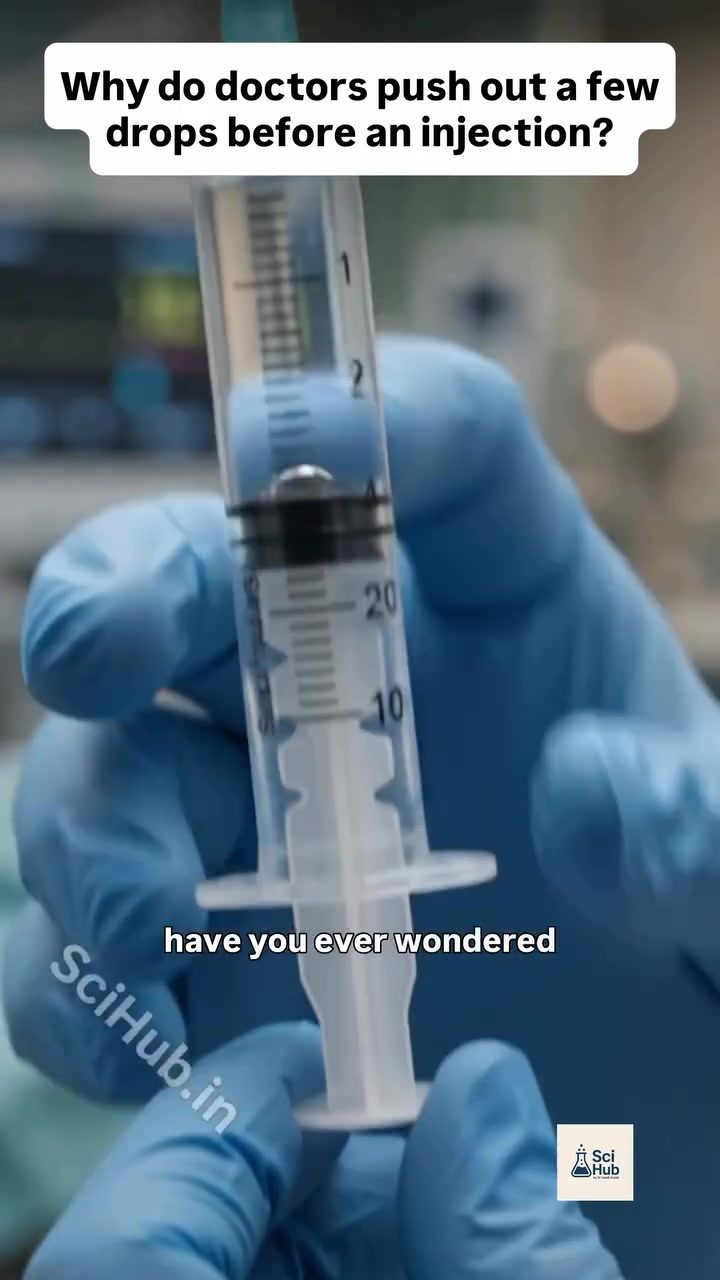
The Science Behind Releasing Drops from a Syringe
The practice of expelling a few drops from a syringe before giving an injection is a common sight in medical settings. This simple action, often misunderstood as wasting medicine, is actually a crucial step in ensuring the safety and accuracy of the injection process.
Why This Matters
Understanding why medical professionals perform this action is essential for appreciating the meticulous care that goes into administering injections. This procedure helps prime the syringe, ensures the medication reaches the needle tip, and removes small air bubbles, which can be dangerous if injected into the body.
The Importance of Priming the Syringe
Removing Air Bubbles
One of the primary reasons for releasing a few drops from a syringe is to remove air bubbles. Air bubbles can form in the syringe during the filling process, and if injected into the body, they can cause complications. To address this, doctors gently tap the syringe. This action helps any tiny air bubbles collect near the needle, making them easier to remove. The plunger is then pressed gently, allowing the trapped air to escape first. This step confirms that only medicine remains inside the needle and syringe, ensuring a safe injection.
Ensuring Accurate Delivery
By removing air from the syringe, medical professionals can deliver the medicine more accurately. Air in the syringe can affect the dosage, leading to potential underdosing or overdosing. Priming the syringe ensures that the exact amount of medication is administered, which is crucial for effective treatment.
Preventing Needle Blockage
Another benefit of expelling a few drops is preventing needle blockage. Sometimes, the medication can solidify or settle around the needle tip, preventing the flow of medicine. By priming the syringe, doctors ensure that the medication reaches the needle tip, preventing blockages and ensuring smooth delivery.
Different Types of Injections and Preparation
The exact procedure for preparing a syringe can vary depending on the type of injection, the syringe used, the medication, and established clinical guidelines. For instance, some medications may require more rigorous priming to ensure they reach the needle tip effectively. Understanding these guidelines is essential for medical professionals to administer injections safely and accurately.
Practical Tips for Medical Professionals
Using the Right Technique
When expelling drops from a syringe, it's important to use the correct technique. Gently tapping the syringe and pressing the plunger slowly can help remove air bubbles effectively. Rushing this process can lead to incomplete removal of air, compromising the injection's safety and accuracy.
Checking the Syringe
After expelling a few drops, it's crucial to check the syringe for any remaining air bubbles. If bubbles are still present, repeat the process until the syringe is clear. This step ensures that only the medication is injected into the body.
Following Clinical Guidelines
Always follow established clinical guidelines when preparing and administering injections. These guidelines are designed to ensure the safety and accuracy of the injection process, minimizing the risk of complications.
Cleaning the Needle
After expelling a few drops, it's also a good practice to clean the needle. This step ensures that any remaining medication or air bubbles are removed, further enhancing the injection's safety and accuracy. Clean, sterilized needles are crucial for preventing infections and ensuring effective treatment.
Important Takeaways
Ensuring Safety
The practice of releasing a few drops from a syringe is a critical step in ensuring the safety of the injection process. By removing air bubbles and ensuring the medication reaches the needle tip, medical professionals can deliver the medicine accurately and effectively.
Following Best Practices
Following established clinical guidelines and using the correct technique when preparing a syringe is essential. This practice ensures that the injection is safe and effective, minimizing the risk of complications.
Appreciating Medical Care
Understanding the science behind everyday medical practices helps us appreciate the care and precision that go into healthcare. This knowledge can also help patients feel more at ease during medical procedures, knowing that every step is taken to ensure their safety and well-being.
Conclusion
Releasing a few drops from a syringe before giving an injection is a simple yet crucial step in the injection process. This action ensures the removal of air bubbles, accurate delivery of medication, and prevention of needle blockage. By understanding the science behind this practice, we can better appreciate the care and precision that go into healthcare, ensuring safe and effective treatment for all.
Watch the Reel
Questions readers ask
Why do doctors expel drops from a syringe before giving an injection?
Doctors expel drops to prime the syringe, ensuring the medication reaches the needle tip and removing any air bubbles that could pose health risks. This process makes the injection safer and more effective.
What are the risks of air bubbles in a syringe?
Air bubbles in a syringe can cause embolisms if injected into the body, leading to serious health complications. Priming the syringe helps remove these bubbles, preventing potential harm to the patient.
How does expelling drops from a syringe prevent needle blockages?
By priming the syringe and expelling a few drops, any air or impurities that could block the needle are removed. This ensures a smooth flow of medication during the injection.
Is it just wasting medicine when doctors expel drops from a syringe?
No, expelling drops from a syringe is not a waste of medicine. It's a necessary step to ensure the accuracy of the dose and the safety of the injection process. It helps push the medication through the syringe and needle.
What does it mean to 'prime' a syringe?
Priming a syringe involves expelling a few drops of medication to ensure the needle is filled with the correct dose and to remove any air bubbles. It's an essential step in preparing a syringe for injection, where the medication is pushed to the tip of the needle.
Why is syringe preparation before injection important?
Proper syringe preparation, including expelling a few drops, helps ensure that the medication is accurately dosed and that no air bubbles are present. This makes the injection process safer and more reliable, reducing the risk of complications.
Recent articles
Fresh deep dives from the latest Reels we unpacked.




Comments
Be the first to comment.