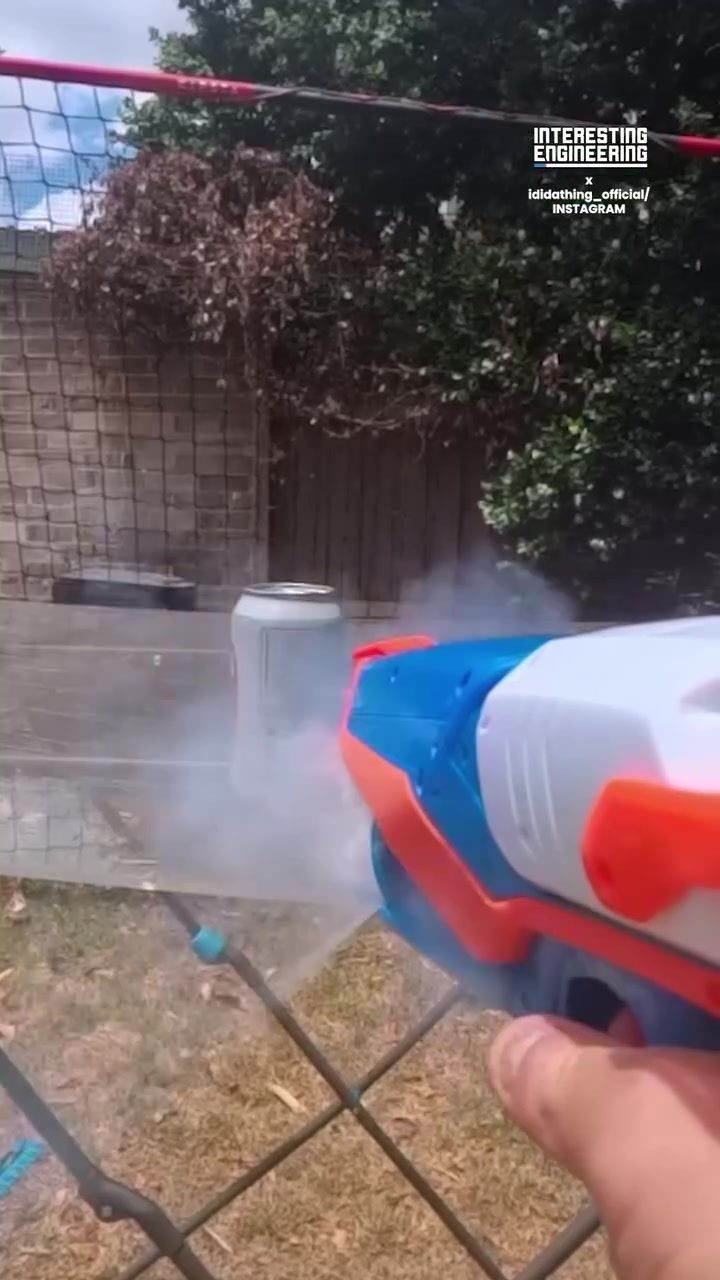
Water Gun Modification
Water guns are popular for their fun and entertainment, but have you ever wondered how to enhance their performance? By modifying a water gun to use compressed air cartridges, you can significantly increase its range and power. This DIY project involves converting a typical water gun into an air cannon, leveraging the principles of compressed gas to create a powerful blast.
Context / Why this matters
Understanding how to modify water guns isn't just about having more fun; it's about exploring the principles of engineering and physics. By venting compressed CO2, you create a high-pressure air blast that can generate enough force to knock over or rupture lightweight targets. This modification can be a fascinating way to experiment with engineering and see firsthand how pressurized systems work. Whether you're a hobbyist or a professional, this kind of project can offer valuable insights into how mechanical systems function.
Main discussion
The Basics of Water Gun Modification
Modifying a water gun to use compressed air involves several steps. The process starts with disassembling the water gun and inserting compressed air cartridges. This transformation turns a simple toy into a more powerful tool. The key to this modification is the use of compressed CO2, which, when released, forms a sudden high-pressure air blast. This blast is powerful enough to create a white vapor cloud, a clear indication of the rapid gas expansion and the force generated.
Engineering Principles in Action
The modification of a water gun to vent compressed CO2 involves several key engineering principles. The most notable is the principle of gas expansion. When compressed CO2 is released, it expands rapidly, creating a high-pressure air blast. This expansion is what generates the force needed to knock over or rupture lightweight targets. Understanding this principle can be beneficial for various fields, from mechanical engineering to physics.
Practical Applications
While this modification is primarily for fun, it has practical applications as well. For example, the principles used in this project can be applied to other engineering projects that require high-pressure systems. Additionally, this type of modification can be used in educational settings to demonstrate the principles of engineering and physics in a hands-on way. By experimenting with different cartridges and pressures, you can learn more about how these systems work and how to optimize them for different applications.
Practical tips
Choosing the Right Cartridges
To achieve the best results, it's essential to choose the right cartridges. Compressed CO2 cartridges are typically the best choice for this type of modification. They are readily available and provide the necessary pressure to create a powerful blast. Ensure that the cartridges are compatible with your water gun and that you have the necessary tools to insert them safely.
Safety Precautions
When working with compressed air, safety is paramount. Always wear protective gear, including safety glasses and gloves, to protect yourself from potential hazards. Additionally, make sure to vent the air in a safe and controlled environment, preferably outdoors, to avoid any accidents.
Testing and Adjustments
After modifying your water gun, it's crucial to test it thoroughly. Start with lower pressures to ensure that the system is working correctly. Gradually increase the pressure to see how it affects the blast. Keep in mind that too much pressure can damage the gun or cause accidents, so always proceed with caution.
Maintenance and Care
Maintaining your modified water gun is essential for its longevity. Regularly inspect the system for any signs of wear or damage. Clean the gun after each use to prevent the buildup of debris, which can affect its performance. Additionally, store the gun and cartridges properly to ensure they remain in good condition.
Important takeaways
Understanding Pressure and Force
One of the key takeaways from this project is understanding the relationship between pressure and force. By modifying a water gun to vent compressed CO2, you can see firsthand how high pressure generates a powerful blast. This principle is applicable in various engineering and physics contexts, making it a valuable lesson for anyone interested in these fields.
The Importance of Experimentation
Experimenting with different pressures and cartridges is an excellent way to learn more about how these systems work. By testing and adjusting, you can find the optimal settings for your water gun and gain a deeper understanding of the underlying principles.
Practical Applications
The principles used in this project have practical applications beyond modifying water guns. They can be applied to various engineering projects, from designing high-pressure systems to improving the performance of other mechanical devices.
Conclusion
Modifying a water gun to use compressed air cartridges is a fun and educational project that offers valuable insights into the principles of engineering and physics. By venting compressed CO2, you can create a powerful air blast that generates enough force to knock over or rupture lightweight targets. Whether you're a hobbyist or a professional, this project can be a rewarding way to explore the fascinating world of engineering and physics. So, grab your tools, choose the right cartridges, and start experimenting to see the incredible results for yourself.
Watch the Reel
Questions readers ask
What type of water gun is best for this compressed air modification?
Most standard water guns can be modified, but those with a removable nozzle or a wide barrel tend to work best. Ensure the water gun is in good working condition before starting the modification, as the compressed air will put additional stress on the components.
What kind of compressed air cartridges should I use for my DIY air cannon?
CO2 cartridges are commonly used for this modification due to their high pressure and compatibility with many water gun designs. Ensure you use the correct type of cartridge for your specific water gun model and follow safety guidelines when handling compressed air.
How does using compressed air increase the range and power of a water gun?
Compressed air increases the range and power of a water gun by creating a high-pressure blast that propels the water out of the gun at a much faster velocity. This is due to the rapid expansion of the compressed gas, which generates a significant force behind the water.
What safety precautions should I take when building a DIY air cannon?
Always wear safety glasses to protect your eyes from potential debris. Handle compressed air cartridges with care, as they can cause injury if mishandled. Ensure you conduct your experiments in a safe and controlled environment, away from people and fragile items.
Can I use this DIY air cannon to rupture or damage objects?
While the DIY air cannon can generate enough force to knock over or rupture lightweight targets, it is important to use it responsibly. Avoid targeting people, animals, or fragile items. Always prioritize safety and respect for your surroundings when operating your homemade air cannon.
What are some additional modifications I can make to enhance my air cannon's performance?
To further enhance performance, consider upgrading to a stronger barrel material, such as metal. You can also experiment with different nozzle designs to optimize the airflow and water dispersion. Additionally, ensuring a proper seal between the cartridge and the water gun is crucial for maintaining pressure.
Recent articles
Fresh deep dives from the latest Reels we unpacked.




Comments
Be the first to comment.