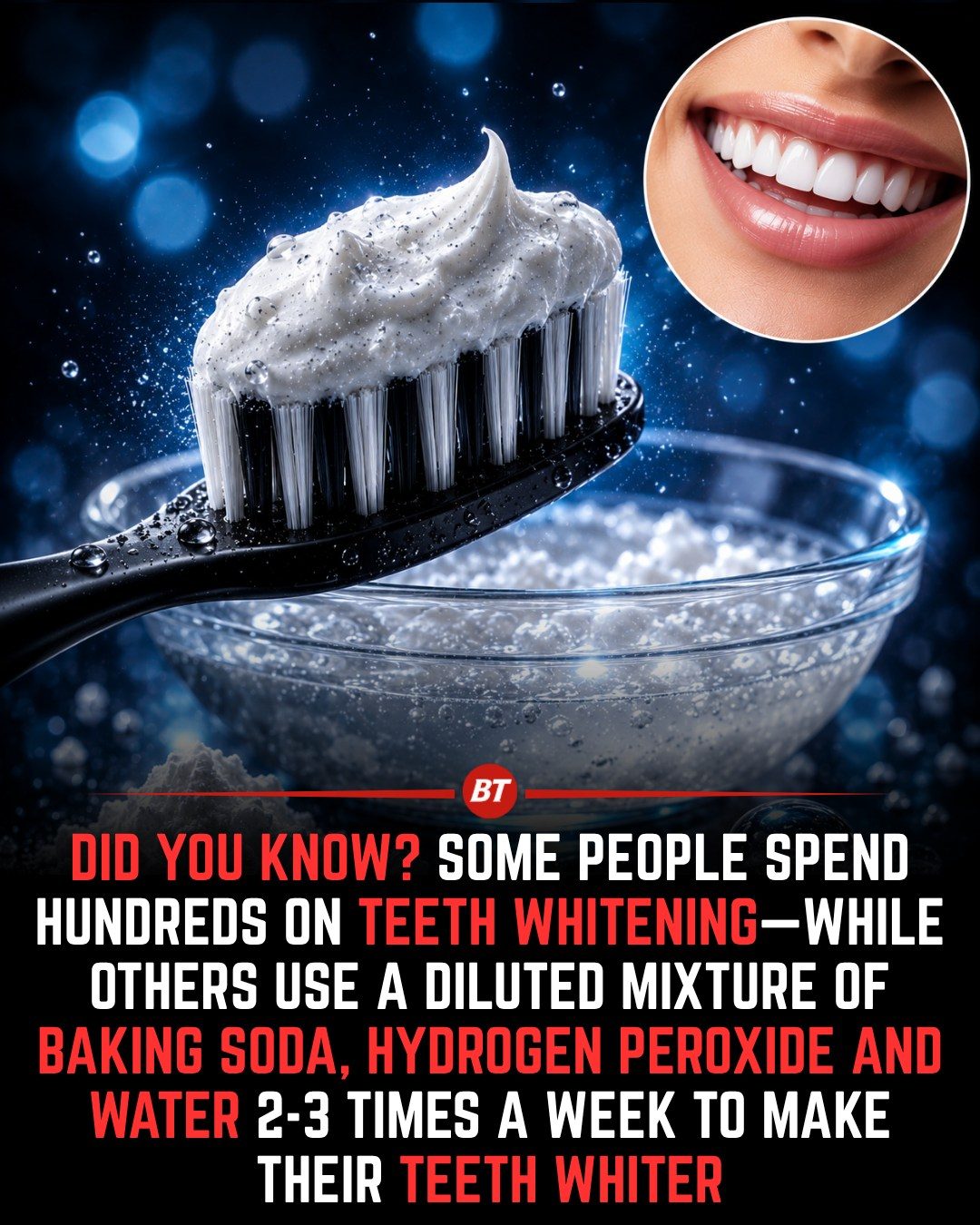
Teeth Whitening: Professional Treatments and DIY Options
Teeth whitening is a popular way to enhance your smile, and there are various methods to achieve brighter teeth. Some people opt for professional treatments, while others prefer a more cost-effective approach using natural ingredients at home.
Why This Matters
Whitening teeth can significantly improve your confidence and appearance. Professional treatments can be effective, but they often come at a high cost. On the other hand, do-it-yourself (DIY) methods using common household ingredients can be a more affordable alternative. Understanding the benefits and risks of each method can help you make an informed decision about which approach to take.
Main Discussion
Understanding Professional Teeth Whitening
Professional teeth whitening treatments are typically performed by dental professionals. These treatments often use high-concentration bleaching agents, such as hydrogen peroxide, to achieve dramatic results. The cost of professional teeth whitening can range from hundreds to thousands of dollars, depending on the type of treatment and the dental clinic.
Professional treatments often involve the use of custom-fitted trays or in-office procedures that apply a concentrated bleaching gel directly to the teeth. These methods can provide quick and noticeable results, but they may also come with side effects such as tooth sensitivity and gum irritation.
DIY Teeth Whitening: Baking Soda and Hydrogen Peroxide
A popular and cost-effective DIY method for teeth whitening involves using a mixture of baking soda, hydrogen peroxide, and water. This method has been used for decades and is known for its gentle yet effective results.
Baking Soda: Baking soda is a mild abrasive that helps to polish away surface stains caused by coffee, tea, red wine, and tobacco. Its fine particles gently scrub the teeth without damaging the enamel. This is why baking soda is a common ingredient in many whitening toothpastes.
Hydrogen Peroxide: Unlike baking soda, hydrogen peroxide acts as a bleaching agent. It breaks down stain molecules that have settled into the outer layers of the enamel, effectively lightening discoloration. When combined with baking soda, the two ingredients work synergistically—baking soda helps lift surface stains, while hydrogen peroxide penetrates deeper to remove stubborn discoloration.
How to Use the DIY Method
To use this DIY method, mix a small amount of baking soda with a few drops of hydrogen peroxide and a bit of water. Apply the mixture to your teeth using a toothbrush and let it sit for a few minutes before rinsing thoroughly. This process can be repeated 2-3 times a week for best results. It's important to remember that consistency and moderation are key. Overuse can lead to tooth sensitivity and enamel erosion.
Practical Tips
- Test a Small Area: Before applying the mixture to all your teeth, test it on a small area to ensure you don't have an adverse reaction.
- Use a Soft-Bristled Toothbrush: This helps prevent damaging your enamel while brushing.
- Avoid Strong Concentrations: Overuse or too high concentration of hydrogen peroxide can cause sensitivity and gum irritation. Always start with a diluted mixture.
- Follow Up with Regular Dental Care: Regular dental check-ups and cleanings are essential for maintaining oral health, even if you use a DIY whitening method.
- Monitor for Sensitivity: If you experience increased tooth sensitivity, reduce the frequency of application or consult a dentist.
Important Takeaways
- Cost and Effectiveness: Professional teeth whitening can be expensive but offers quick results. DIY methods are more affordable and can be just as effective with consistent use.
- Ingredients Matter: Baking soda and hydrogen peroxide work in different ways to remove stains and lighten teeth. Used together, they can effectively brighten your smile.
- Moderation is Key: Overuse of any whitening method can lead to sensitivity and enamel damage. Stick to a balanced routine.
Conclusion
Teeth whitening is a popular way to enhance your smile, and there are multiple methods to achieve brighter, whiter teeth. Professional treatments offer quick results but come at a higher cost. DIY methods using household ingredients like baking soda and hydrogen peroxide provide a more affordable alternative and can be just as effective with consistent use.
Whichever method you choose, it's important to prioritize oral health and consult with a dentist if you experience any adverse effects. With the right approach, you can achieve a brighter smile that boosts your confidence and overall well-being.
Watch the Reel
Questions readers ask
Is it safe to use baking soda and hydrogen peroxide for teeth whitening at home?
Yes, using baking soda and hydrogen peroxide for teeth whitening at home is generally safe when done correctly. However, it's important to use the right proportions and limit the frequency of application to avoid damaging the enamel. Always consult with a dental professional if you have any concerns.
How often can I use a DIY teeth whitening solution with baking soda and hydrogen peroxide?
It is recommended to use a DIY teeth whitening solution with baking soda and hydrogen peroxide no more than once or twice a week. Overuse can lead to enamel erosion and increased tooth sensitivity. Always follow the specific instructions for the method you choose and pay attention to your teeth's reaction.
What are the benefits of using baking soda and hydrogen peroxide for teeth whitening?
Using baking soda and hydrogen peroxide for teeth whitening can effectively brighten your teeth with household ingredients. Baking soda gently polishes teeth, removing surface stains, while hydrogen peroxide acts as a mild bleaching agent. This combination provides a cost-effective way to enhance your smile naturally.
What are the risks associated with DIY teeth whitening using baking soda and hydrogen peroxide?
While DIY teeth whitening with baking soda and hydrogen peroxide can be beneficial, there are some risks. These include enamel erosion, increased tooth sensitivity, and irritation of the gums if not used properly. It's crucial to follow the correct procedure and avoid overuse.
How can I make a DIY teeth whitening solution with baking soda and hydrogen peroxide?
To make a DIY teeth whitening solution, mix one tablespoon of baking soda with two tablespoons of hydrogen peroxide (3% concentration) to create a paste. Apply the paste to your teeth using a soft-bristled toothbrush, let it sit for about 1-2 minutes, then rinse thoroughly. Be cautious not to swallow the mixture.
Can I use a DIY teeth whitening kit instead of making my own solution?
Yes, you can use a DIY teeth whitening kit as an alternative to making your own solution. These kits often contain pre-measured ingredients and are designed for safe, convenient use at home. However, always check the instructions and ingredients to ensure they are suitable for your needs and avoid any potential risks.
What should I do if I experience discomfort or irritation from a DIY teeth whitening treatment?
If you experience discomfort, irritation, or increased tooth sensitivity after a DIY teeth whitening treatment, discontinue use and consult a dental professional. Symptoms may indicate that the treatment is too harsh for your teeth. It's always a good idea to seek advice if you are unsure or have specific concerns about your oral health.
Related deep dives
Similar reads based on topic and creator.




Recent articles
Fresh deep dives from the latest Reels we unpacked.




Comments
Be the first to comment.