A Comprehensive Guide to DIY Projects and Repairs
DIY projects offer a rewarding way to enhance your living space or tackle home repairs without the need for professional help. Whether it's creating a captivating water feature with a garden hose or mastering the art of woodworking, DIY endeavors provide endless opportunities to express creativity and save money. In this guide, we'll explore various DIY projects, focusing on woodworking, painting, and other home improvement tasks.
Why DIY Projects and Repairs Matter
Engaging in DIY projects and repairs has numerous benefits:
- Cost Savings: By doing the work yourself, you can avoid the high costs associated with hiring professionals.
- Customization: DIY allows you to tailor projects to your specific needs and preferences, ensuring a personalized touch.
- Skill Development: Learning new skills through DIY projects can boost your confidence and open up new opportunities for future projects.
- Satisfaction: Completing a DIY project provides a sense of accomplishment and pride in your work.
Diving into Different DIY Projects
Garden Hose Water Feature
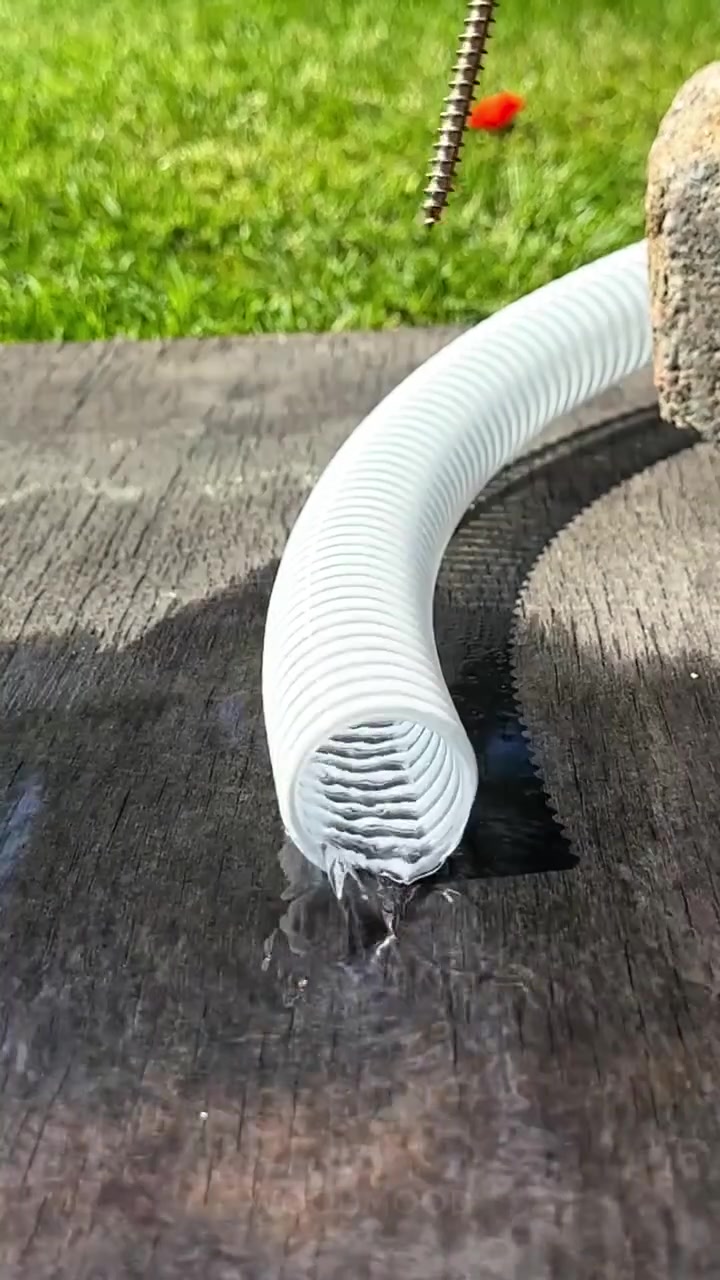
One of the simplest yet most impactful DIY projects involves creating a water feature using a garden hose. This project not only enhances the aesthetic appeal of your outdoor space but also provides a soothing environment.
What You Need:
- A garden hose
- A source of red liquid (e.g., food coloring mixed with water)
- A volcanic or sculptural base (optional)
Steps:
- Choose Your Location: Select a spot in your garden or outdoor area where you want to create the water feature.
- Prepare the Hose: Attach the garden hose to a water source and ensure it is securely placed.
- Add the Coloring: Mix red coloring with water and pour it into a container or directly into the hose. This will create a striking visual effect.
- Create the Effect: Position the hose to pour out the red liquid, creating a cascading effect. You can use a sculptural base or a natural formation to enhance the volcanic effect.
- Enjoy: Once everything is set up, turn on the water and watch as the red liquid flows, creating a beautiful and unique water feature.
Woodworking Projects
Woodworking projects range from simple repairs to intricate designs. They involve the use of various tools and techniques to create functional and decorative items. Woodworking is a versatile skill that can be applied to a wide range of projects, from furniture making to home repairs.
What You Need:
- Woodworking tools (e.g., saws, drills, sanders, and screwdrivers)
- Wooden materials (e.g., plywood, hardwood, or softwood)
- Safety gear (gloves, goggles, and ear protection)
- Measuring tools (tape measure, level, and square)
- Wood glue, screws, and other fasteners
Steps:
- Plan Your Project: Determine the type of woodworking project you want to undertake, whether it's a simple repair or a complex piece of furniture. Sketch out your design and gather the necessary tools and materials.
- Preparation: Measure and cut the wood according to your design. Ensure all pieces are cut accurately and safely.
- Assembly: Use wood glue, clamps, and fasteners to assemble the pieces. Follow your design plan carefully to ensure a precise fit.
- Finishing Touches: Sand the finished product to smooth out any rough edges. Apply a finish, such as paint, stain, or varnish, to protect and enhance the appearance of your project.
- Final Check: Inspect your work for any flaws or areas that need improvement. Make necessary adjustments and enjoy your completed woodworking project.
Painting Techniques
Painting is a fundamental DIY skill that can transform the look and feel of any space. From painting walls to creating intricate designs, mastering various painting techniques can significantly enhance your home improvement projects.
What You Need:
- Paint (e.g., latex or oil-based)
- Paint rollers, brushes
- Drop cloths
- Painter's tape
- Sandpaper
- Primer
- Paint tray
Steps:
- Preparation: Choose the paint and color that best suits your project. Prepare the surface by cleaning and sanding it to remove any imperfections. Apply painter's tape to protect areas you don't want to paint.
- Priming: Apply a primer to the surface to ensure better adhesion and durability of the paint. This step is crucial for achieving a professional finish.
- Painting: Use a paint roller or brush to apply the paint evenly across the surface. Work in small sections to maintain a consistent finish. Allow the first coat to dry completely before applying a second coat if necessary.
- Detailed Work: For more intricate designs, such as painting a triangle shape on a wall, use a small brush and painter's tape to create clean lines and precise edges.
- Final Touches: Remove the painter's tape and inspect the finished surface. Touch up any areas that need additional attention and allow the paint to dry completely.
Practical Tips for Successful DIY Projects
- Plan Ahead: Before starting any DIY project, plan the entire process. Gather all necessary tools and materials and create a detailed plan.
- Measure Twice, Cut Once: Accuracy is key in DIY projects. Double-check your measurements to avoid costly mistakes.
- Safety First: Always wear appropriate safety gear, such as gloves, goggles, and ear protection, when using power tools or handling hazardous materials.
- Take Your Time: Rushing through a DIY project can lead to mistakes. Take your time and focus on each step to ensure a high-quality finish.
- Practice: Don't be afraid to practice new techniques or skills. The more you practice, the better you'll get.
Important Takeaways
DIY projects offer a rewarding way to enhance your living space, save money, and develop valuable skills. Whether you're creating a garden hose water feature, working on a woodworking project, or painting a wall, the key to success lies in careful planning, accurate measurements, and attention to detail. Embrace the challenges and enjoy the satisfaction of completing a DIY project.
Conclusion
DIY projects and repairs are not only practical but also offer a creative outlet for self-expression. By mastering essential DIY skills, you can transform your home, save money, and gain a sense of accomplishment. Whether you're a beginner or an experienced DIY enthusiast, there are always new projects and techniques to explore. Embrace the DIY spirit and start transforming your living space today.
Watch the Reel
Questions readers ask
What are some beginner-friendly DIY woodworking projects for home improvement?
Beginner-friendly woodworking projects include building simple furniture like a wooden stool or a basic bookshelf. Other ideas are creating decorative items such as wooden picture frames or a rustic wall clock. These projects help you develop essential woodworking skills and enhance your home decor.
What basic painting tools do I need for DIY painting projects?
For DIY painting projects, you'll need essential tools such as paintbrushes, rollers, trays, and drop cloths. Additionally, consider using painter's tape for clean lines and a paint sprayer for larger surfaces or textured finishes. High-quality tools can make your painting experience more efficient and enjoyable.
How can I save money through DIY home improvement projects?
DIY home improvement projects save money by eliminating labor costs associated with hiring professionals. By doing the work yourself, you can also choose more affordable materials and repurpose existing items. Plus, learning new skills through DIY projects can lead to long-term savings on future home maintenance and repairs.
What are some creative DIY wall painting ideas to enhance my home decor?
Creative DIY wall painting ideas include creating an accent wall with a bold color or pattern, using stencils to add intricate designs, or experimenting with techniques like ombre or color washing. You can also consider painting murals or creating a gallery wall with painted canvas pieces to add a personal touch to your living space.
What are the benefits of learning DIY painting techniques?
Learning DIY painting techniques allows you to customize your home decor, save money on professional services, and develop a valuable skill. By mastering different painting techniques, you can achieve unique finishes and effects, making your DIY projects truly one-of-a-kind. Additionally, painting is a great way to express your creativity and improve your hand-eye coordination.
What are the best woodworking tools for beginners to start with?
The best woodworking tools for beginners include a basic toolkit with a hammer, screwdriver set, tape measure, and safety gear. As you progress, consider investing in power tools like a jigsaw, drill, and random orbit sander. These tools will help you tackle a variety of woodworking projects and build your skills over time.
Related deep dives
Similar reads based on topic and creator.

Recent articles
Fresh deep dives from the latest Reels we unpacked.




Comments
Be the first to comment.