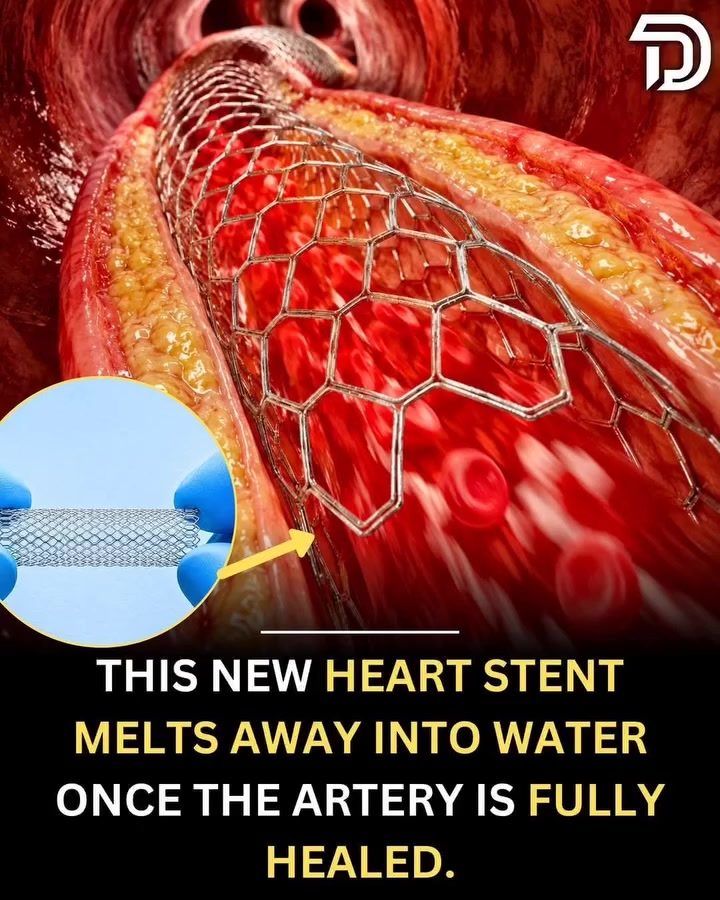
Dissolvable Heart Stents: Revolutionizing Heart Care
Heart stents are pivotal in treating coronary artery disease, but traditional metal stents present long-term challenges. Dissolvable heart stents, also known as bioresorbable vascular scaffolds, are transforming heart care by offering a temporary solution that dissolves once the artery is fully healed.
Why This Matters
Dissolvable heart stents represent a significant advancement in medical technology. Unlike traditional metal stents, which remain in the body permanently, these innovative devices support the artery for a limited period before naturally dissolving. This breakthrough addresses several long-term complications associated with metal stents, improving patient outcomes and quality of life.
Main Discussion
The Science Behind Dissolvable Stents
Dissolvable stents are crafted from biocompatible materials such as magnesium or polylactide. These materials are designed to break down into harmless substances like carbon dioxide and water over time. The body naturally eliminates these elements within two to three years, leaving no foreign material behind. This process allows the healed artery to regain its natural flexibility and function, which is often restricted by rigid metal stents.
The Healing Process
Traditional metal stents can impede the natural expansion and contraction of arteries, leading to long-term issues like blood clots and inflammation. In contrast, dissolvable stents support the artery for six to twelve months, giving it time to heal properly. Once dissolved, the artery can function normally, reducing the risk of complications and enhancing the patient's quality of life.
Benefits of Dissolvable Stents
The primary advantage of dissolvable stents is their ability to leave nothing behind in the body. This significantly lowers the risk of long-term complications such as blood clots and ongoing swelling. By allowing the artery to heal naturally and reducing scar tissue, these stents offer several benefits:
- Improved Quality of Life: Patients experience better long-term outcomes and reduced need for repeat procedures.
- Future Medical Treatments: The absence of a permanent stent makes future medical interventions simpler and more effective.
- Reduced Risk of Complications: The natural dissolution of the stent minimizes the risk of long-term issues associated with metal stents.
Current Improvements and Future Directions
While early designs of dissolvable stents faced challenges, particularly in smaller blood vessels, recent advancements have addressed these issues. Research and development are focused on enhancing the long-term health benefits and effectiveness of these stents, making them a viable option for a broader range of patients.
Practical Tips
If you or a loved one is considering heart stent options, here are some practical tips to keep in mind:
- Consult a Cardiologist: Discuss the benefits and potential risks of dissolvable stents with a healthcare provider to determine if they are the right choice for your specific condition.
- Stay Informed: Keep up-to-date with the latest research and advancements in dissolvable stent technology. Knowledge is power when it comes to making informed medical decisions.
- Follow Post-Procedure Care: Adhere to the recommended post-procedure care plan, which may include lifestyle changes and regular check-ups to ensure optimal healing and long-term health.
Important Takeaways
- Dissolvable heart stents offer a temporary solution that dissolves once the artery is healed, leaving no foreign material behind.
- These stents are made from biocompatible materials that break down into harmless substances, reducing the risk of long-term complications.
- The natural dissolution process allows the artery to regain its flexibility and function, improving patient outcomes and quality of life.
- Recent advancements have addressed early challenges, making dissolvable stents a viable option for a broader range of patients.
Conclusion
Dissolvable heart stents are at the forefront of medical innovation, offering a temporary yet effective solution for treating blocked arteries. By dissolving naturally over time, these stents provide numerous benefits, including reduced risk of complications and improved long-term health. As research continues to enhance their effectiveness, dissolvable stents are poised to become a standard in heart care, transforming the lives of patients worldwide.
Watch the Reel
Questions readers ask
How do dissolvable heart stents differ from traditional metal stents?
Dissolvable heart stents, or bioresorbable vascular scaffolds, are designed to provide temporary support to the artery during healing. Unlike metal stents, dissolvable stents gradually dissolve over time, leaving no permanent implant in the body.
What are the benefits of using dissolvable heart stents for coronary artery disease treatment?
Dissolvable heart stents reduce the risk of long-term complications associated with permanent metal implants, such as restenosis and thrombosis. They also allow the artery to regain its natural functionality and flexibility once healed, potentially improving overall cardiovascular health.
How long does it take for a dissolvable heart stent to dissolve completely?
The dissolution process varies depending on the specific type of dissolvable stent. Typically, it takes about 2-3 years for a dissolvable stent to completely dissolve and be absorbed by the body, though the stent loses its structural integrity and dissolves much more quickly after the artery has healed.
What are the main advantages of temporary stents over permanent ones?
Temporary stents provide support during the critical healing phase and then dissolve, reducing the risk of long-term complications. They also allow the artery to regain its natural pulsatility and flexibility, which can improve overall heart function.
Are there any specific complications associated with dissolvable heart stents?
Like any medical device, dissolvable stents can have complications, such as scaffold thrombosis and restenosis. However, these risks are generally lower than those associated with traditional metal stents, and the benefits of natural dissolution often outweigh these risks.
How do dissolvable stents support the artery during the healing process?
Dissolvable stents act as a scaffold, providing structural support to the artery wall. As time passes, the stent gradually dissolves, allowing the artery to regain its natural function while reducing the risk of complications that can arise from permanent implants.
Related deep dives
Similar reads based on topic and creator.

Recent articles
Fresh deep dives from the latest Reels we unpacked.




Comments
Be the first to comment.