Beauty Product Shifts: Navigating the Industry for Healthier Choices
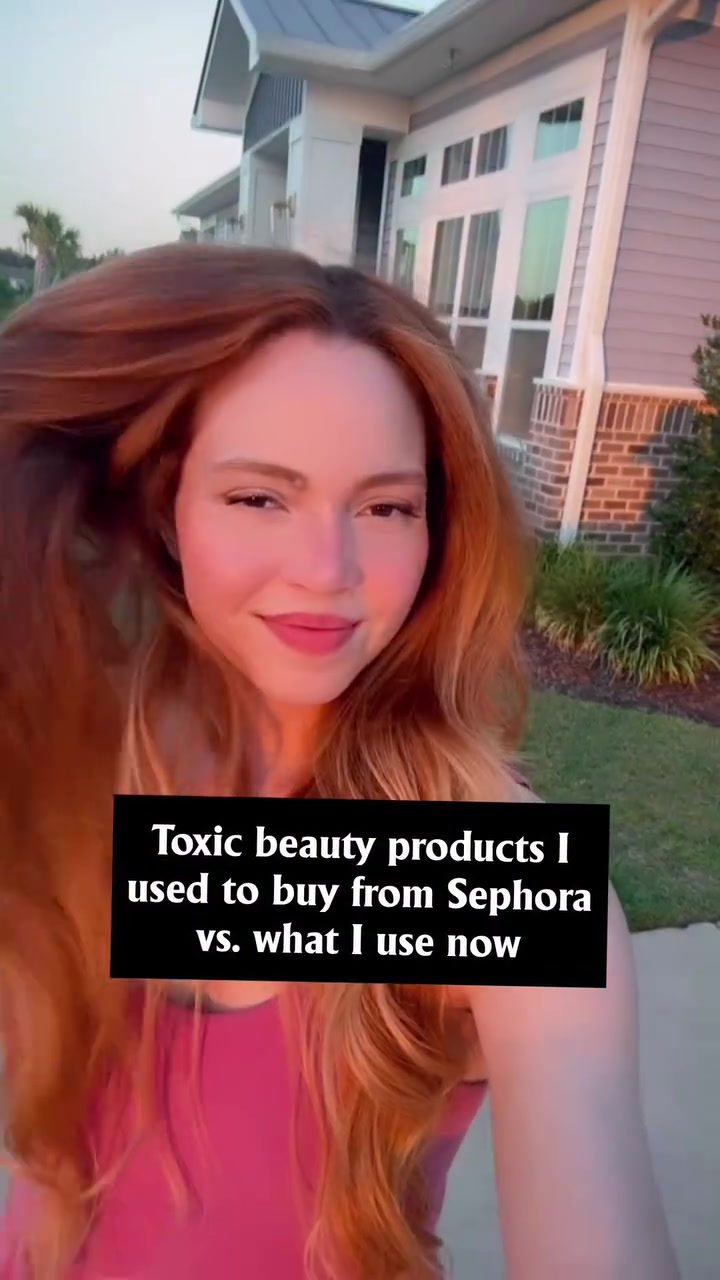
The beauty industry offers endless choices, but not all products are created equal. If you are looking for hair products that promote healthier hair, consider the ingredients in your favorite products, not just the price tag. It might surprise you to learn that many beauty products, regardless of their cost, contain ingredients that disrupt hormonal balance. This revelation has led many consumers to re-evaluate their beauty routines, seeking out products that support their overall health as well as their aesthetic goals.
Why This Matters
The beauty industry has long been a source of both excitement and confusion for consumers. The allure of high-quality, effective products often comes with a steep price, both in cost and potential health implications. The industry is built around ingredients that can disrupt your hormones, leading to a range of potential health issues. This is more concerning than a simple bad acne breakout.
By choosing hair products that are formulated with safer, more natural ingredients, you can support both your hair and your overall health. It's important to note that this shift doesn't mean sacrificing quality or effectiveness. In fact, many natural and non-toxic products deliver excellent results without the hormonal compromise.
Understanding the Beauty Industry's Ingredient Challenge
The Hormonal Disruption Concerns
Many beauty products, especially those found in high-end stores like Sephora, contain ingredients that can disrupt the body's hormonal balance. These include:
- Parabens: Commonly used as preservatives, parabens can mimic estrogen in the body, leading to potential hormonal imbalances.
- Phthalates: Often found in fragrances, phthalates can interfere with the body's endocrine system, affecting reproductive health and development.
- Sulfates: While effective at cleansing, sulfates can strip the skin and hair of natural oils, leading to dryness and irritation.
- Formaldehyde: This preservative is known to cause allergic reactions and is classified as a carcinogen by some health organizations.
Navigating Ingredient Labels
One of the most effective ways to avoid these ingredients is to become a savvy label reader. Look for products that clearly list their ingredients and avoid those with long, unpronounceable chemical names. Opt for products that prioritize natural, plant-based ingredients. Some key ingredients to look for include:
- Aloe Vera: Known for its soothing and moisturizing properties, aloe vera can help hydrate and calm the scalp.
- Coconut Oil: This natural oil is rich in fatty acids that nourish and strengthen hair.
- Shea Butter: A potent moisturizer, shea butter can help maintain hair's natural oils and elasticity.
The Rise of Clean Beauty
The clean beauty movement has gained significant traction in recent years, driven by consumers' growing awareness of the potential health risks associated with traditional beauty products. Clean beauty focuses on using natural, non-toxic ingredients that are gentle on the skin and hair. This movement has led to the creation of brands like Veil Hair Care, which prioritize formulation and ingredient safety.
Practical Tips for Transitioning to Healthier Hair Products
Start with Research
Before making a purchase, take the time to research the brand and its ingredients. Look for brands that are transparent about their formulation processes and prioritize natural, non-toxic ingredients.
Read Labels Carefully
Pay close attention to the ingredient list on product labels. Avoid products with long lists of chemical names and prioritize those with natural, recognizable ingredients.
Seek Recommendations
Engage with online communities and forums dedicated to clean beauty. These platforms can provide valuable insights and recommendations from fellow consumers who have successfully transitioned to healthier products.
Experiment with Small Changes
Transitioning to healthier hair products doesn't have to happen overnight. Start by replacing one or two products at a time and gradually incorporate more natural options into your routine.
Important Takeaways
- Understanding the potential health risks associated with common beauty product ingredients is crucial for making informed purchasing decisions.
- Prioritizing natural, non-toxic ingredients can support both hair health and overall well-being.
- Transitioning to healthier hair products involves careful research, label reading, and gradual changes to your beauty routine.
Conclusion
Choosing healthier hair products is more than just a trend; it's a step towards a more conscious and intentional lifestyle. By being mindful of the ingredients in your beauty products, you can support your hair's health while avoiding potential hormonal disruptions. Whether you're using products from a high-end store or a natural brand, always prioritize your well-being and opt for products that align with your values and health goals.
Watch the Reel
Questions readers ask
What are some toxic ingredients commonly found in hair products?
Some common toxic ingredients in hair products include parabens, sulfates, silicone, phthalates, and synthetic fragrances. These ingredients can disrupt hormonal balance, cause irritation, and have other adverse effects on overall health.
Why are non-toxic hair products a better choice for hair health?
Non-toxic hair products are a better choice because they are formulated without harsh chemicals that can damage hair and scalp. By using non-toxic products, you can promote healthier, stronger hair and reduce the risk of irritation or other adverse reactions.
How do I identify non-toxic hair products?
When shopping for non-toxic hair products, look for products that are clearly labeled as free from harmful chemicals. Certifications from organizations like the Environmental Working Group (EWG) or the Leaping Bunny program can also help identify safer products. Additionally, you can use apps like the EWG's Healthy Living app to scan product barcodes and check for potential toxins.
What are some benefits of switching to non-toxic beauty products?
Switching to non-toxic beauty products can improve hair health, reduce irritation, and support overall well-being. Many users also report that their hair feels and looks better after making the switch, with increased shine, manageability, and overall health.
Can non-toxic hair products be as effective as conventional ones?
Yes, many non-toxic hair products can be just as effective, if not more so, than conventional products. Non-toxic products often rely on natural, nourishing ingredients that can enhance hair health over time. It might take some trial and error to find the right non-toxic products for your hair type, but the benefits are well worth the effort.
What are some DIY non-toxic hair care options?
DIY non-toxic hair care options include using natural ingredients like coconut oil for deep conditioning, apple cider vinegar for a clarifying rinse, and aloe vera for a soothing scalp treatment. These natural remedies can be gentle on the hair and scalp while providing nourishing benefits.
What is the importance of reading hair product labels?
Reading hair product labels is crucial because it helps you understand what ingredients are in the products you are using. By learning to identify harmful chemicals, you can make informed decisions about your hair care routine and choose products that support your overall health and well-being. Look not only at the ingredients themselves, but the order in which they appear, as ingredients are listed from most to least prevalent in the product.
Related deep dives
Similar reads based on topic and creator.

Recent articles
Fresh deep dives from the latest Reels we unpacked.




Comments
Be the first to comment.