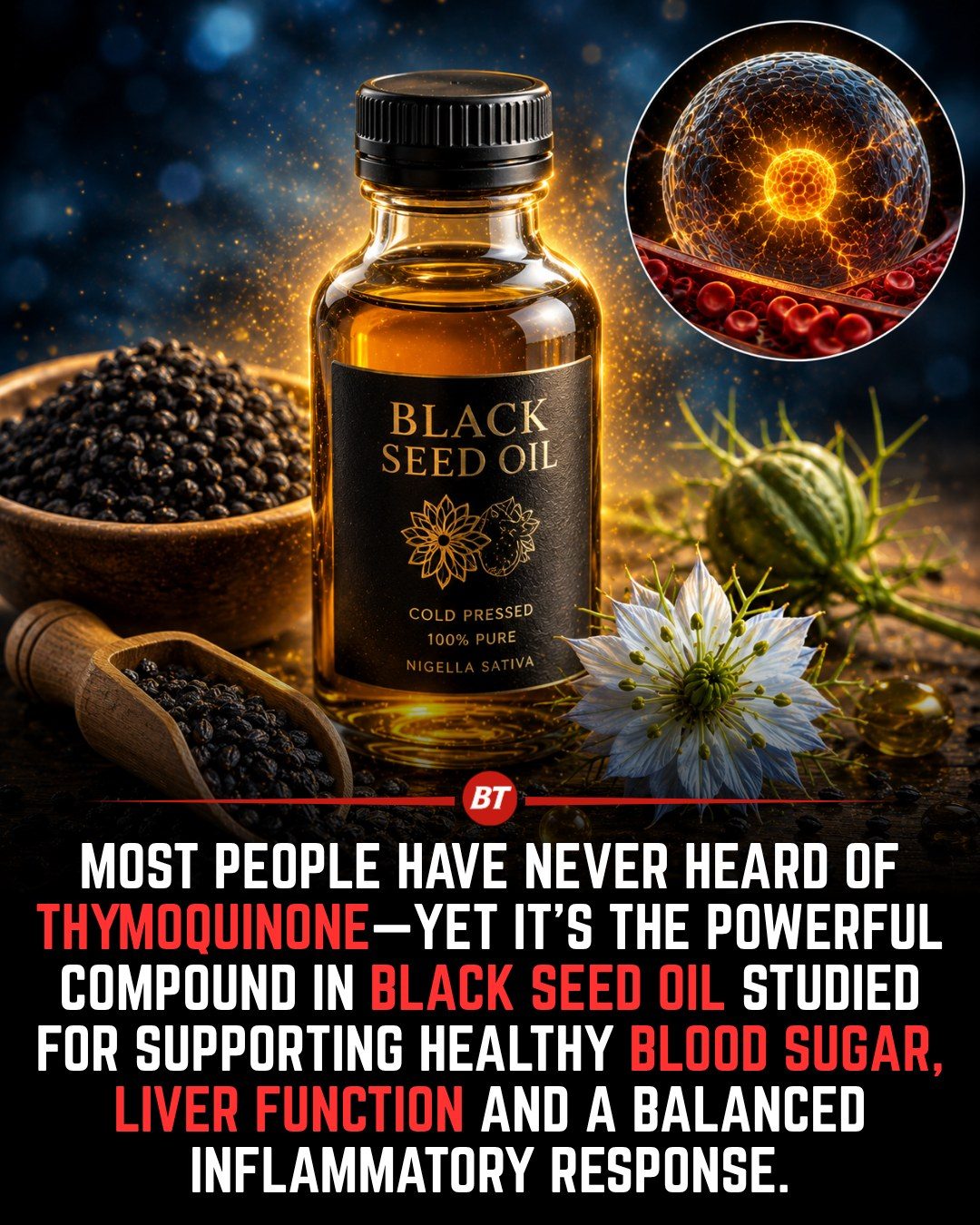
Black Seed Oil: A Potent Herbal Remedy for Metabolic Health
Black seed oil, derived from the seeds of the Nigella sativa plant, has gained significant attention for its potential health benefits, particularly in supporting metabolic health. This oil contains a powerful compound called thymoquinone, which is believed to be responsible for many of its health-promoting properties.
Why This Matters
Metabolic health is crucial for overall well-being, and black seed oil has emerged as a promising supplement in this area. Understanding its benefits can help individuals make informed decisions about incorporating it into their health regimen. Research has shown that black seed oil may support healthy blood sugar levels, liver function, and a balanced inflammatory response. These findings make it a topic of interest for those looking to enhance their metabolic health naturally.
Thymoquinone: The Powerful Compound in Black Seed Oil
A potent antioxidant, thymoquinone is the primary bioactive compound found in black seed oil. This compound has been extensively studied for its ability to support healthy blood sugar levels, liver function, and a balanced inflammatory response. Researchers believe that thymoquinone works by reducing oxidative stress and enhancing the body's antioxidant defense systems. It appears to influence multiple biological processes, including metabolism, inflammation, and cellular protection.
Supporting Healthy Blood Sugar
Clinical research has shown that black seed oil, rich in thymoquinone, can improve several markers of blood sugar control. A 2022 systematic review and meta-analysis found that black seed supplementation improved fasting blood glucose and HbA1c levels, particularly in individuals with type 2 diabetes. These findings suggest that black seed oil may play a role in managing blood sugar levels, although more studies are needed to confirm its long-term effects.
Liver Function Support
Black seed oil has also been studied for its potential to support liver health. Clinical studies have reported improvements in liver enzyme markers, indicating that black seed oil may help maintain normal liver function. This is particularly relevant for those with metabolic disorders, as liver function is closely linked to overall metabolic health. While the long-term effects are still being investigated, the preliminary findings are encouraging.
Balancing Inflammatory Response
Chronic inflammation is a common factor in many metabolic disorders, and black seed oil may help balance the body's inflammatory response. Thymoquinone's antioxidant properties help reduce oxidative stress, which is a key contributor to inflammation. By supporting the body's antioxidant defense systems, black seed oil may help mitigate the inflammatory processes that can lead to metabolic imbalances.
Practical Tips for Incorporating Black Seed Oil
-
Choose Cold-Pressed Varieties: When selecting black seed oil, opt for a cold-pressed variety to ensure that it retains its beneficial compounds. Cold-pressing helps preserve the oil's natural properties, making it more effective for health purposes.
-
Integrate into a Balanced Lifestyle: Black seed oil is not a replacement for a healthy diet or regular exercise. Incorporate it into a balanced lifestyle that includes nutritious eating and physical activity. Healthy habits combined with black seed oil can have a synergistic effect on metabolic health.
-
Consult Healthcare Professionals: Always consult with a healthcare provider before adding any new supplement to your regimen, especially if you have pre-existing health conditions or are taking other medications. Your healthcare provider can offer personalized advice and monitor your progress.
-
Dose Appropriately: Follow the recommended dosage guidelines provided by the manufacturer or your healthcare provider. Typically, a few drops of black seed oil can be added to food, drinks, or taken directly, but it's essential to use it in the correct amount to achieve the desired benefits.
Important Takeaways
Black seed oil, with its high thymoquinone content, offers several potential benefits for metabolic health. It has been shown to support healthy blood sugar levels, liver function, and a balanced inflammatory response. When incorporated into a balanced lifestyle, black seed oil can be a valuable addition to a health regimen focused on metabolic well-being.
Conclusion
Black seed oil's potential to support metabolic health makes it a supplement worth considering for those looking to enhance their overall well-being. Its rich thymoquinone content, along with its antioxidant properties, contributes to its health-promoting effects. By choosing a high-quality, cold-pressed variety and integrating it into a balanced lifestyle, you can harness the benefits of black seed oil for improved metabolic health. However, it's essential to consult with a healthcare provider before starting any new supplement regimen.
Watch the Reel
Questions readers ask
What is thymoquinone and why is it important in black seed oil?
Thymoquinone is a potent compound found in black seed oil, extracted from the Nigella sativa plant. It is crucial because it is believed to be the primary source of the oil's health benefits, including supporting metabolic health, reducing oxidative stress, and promoting overall well-being.
How does black seed oil support liver function?
Black seed oil, particularly the thymoquinone it contains, supports liver function by reducing oxidative stress and inflammation. This can help protect liver cells from damage and promote better overall liver health.
Can black seed oil help with blood sugar balance?
Yes, black seed oil has been shown to support healthy blood sugar levels. The thymoquinone in the oil can help regulate blood sugar and improve insulin sensitivity, making it a useful supplement for those looking to manage their blood sugar levels.
What are the antioxidant benefits of thymoquinone?
Thymoquinone is a powerful antioxidant that can help reduce oxidative stress in the body. By neutralizing harmful free radicals, it supports overall health and enhances the body's metabolic processes.
How can I incorporate black seed oil into my daily routine?
Black seed oil can be taken orally as a dietary supplement. Typical dosages range from 1 to 2 teaspoons per day. It is important to consult with a healthcare provider before starting any new supplement regimen. You can also use it in cooking or add it to smoothies for a nutritional boost.
Are there any other compounds in black seed oil besides thymoquinone?
Yes, while thymoquinone is one of the most studied and beneficial compounds in black seed oil, the oil also contains other beneficial compounds. These include thymohydroquinone, thymol, and carotene. Together, these compounds contribute to the overall health benefits of black seed oil.
What are the general benefits of black seed oil for metabolic health?
Black seed oil has been shown to improve metabolic health in various ways, including promoting healthy blood sugar levels, supporting liver function, and encouraging a balanced inflammatory response. These benefits make black seed oil a valuable addition to a health regimen focused on metabolic wellness.
Related deep dives
Similar reads based on topic and creator.




Recent articles
Fresh deep dives from the latest Reels we unpacked.




Comments
Be the first to comment.