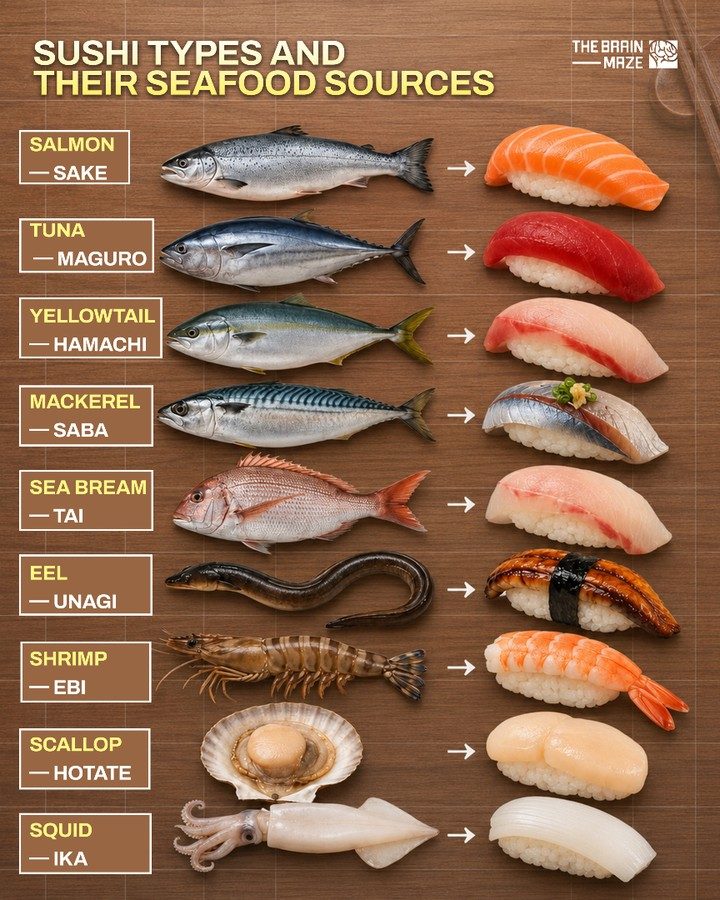
Sushi is a popular culinary delight known for its variety and the distinct flavors and textures of the seafood it features. Each type of sushi offers a unique taste experience, making it a favorite among seafood enthusiasts. Let's delve into the different types of sushi and the seafood sources that give them their distinctive characteristics.
Context / Why this matters
Understanding the varieties of sushi and the seafood used in their preparation can enhance your appreciation for this culinary art. Whether you're a sushi novice or a connoisseur, knowing the nuances of each type can elevate your dining experience. From the rich and buttery flavors of salmon to the tender and lean taste of tuna, each seafood brings something special to the table.
Additionally, being aware of the different seafood sources can help you make more informed choices when ordering or preparing sushi. For instance, knowing that eel is often cooked and glazed can prepare you for its unique texture and flavor. Similarly, recognizing the delicate nature of sea bream can help you appreciate its subtlety.
Main discussion
Salmon Sushi
Salmon sushi is a beloved choice for many, thanks to its rich and buttery flavor. The fish used for salmon sushi is commonly known as Sake. Salmon sushi can be enjoyed in various forms, including nigiri, maki, and sashimi. Its versatility makes it a staple in many sushi menus.
Tuna Sushi
Tuna sushi is prized for its lean and tender texture. The fish used in this type of sushi is called Maguro. Tuna sushi is often served as sashimi or nigiri, allowing the natural flavors of the fish to shine. Its mild taste makes it a great option for those who prefer a less pronounced seafood flavor.
Yellowtail Sushi
Yellowtail sushi is known for its smooth and delicate texture. The fish used is Hamachi. This type of sushi is often prepared as sashimi or in rolls, where its subtle flavor can be appreciated without overpowering other ingredients.
Mackerel Sushi
Mackerel sushi offers a stronger, more robust flavor compared to other types. The fish used is Saba. Mackerel sushi can be enjoyed as sashimi, nigiri, or in rolls. Its distinct taste makes it a favorite for those who enjoy a bolder seafood experience.
Sea Bream Sushi
Sea bream sushi is characterized by its delicate and mild flavor. The fish used is Tai. This type of sushi is often prepared as sashimi or nigiri, allowing the natural sweetness of the fish to be the star. Its subtle taste makes it a great option for those who prefer a lighter seafood flavor.
Practical tips
When ordering or preparing sushi, consider the following tips to enhance your experience:
- Taste Test: Try different types of sushi to discover your preferences. Each type offers a unique flavor and texture profile.
- Seasonal Varieties: Some types of sushi are more common during certain seasons. For example, mackerel is often more available in the spring and summer.
- Ask Questions: Don't hesitate to ask your sushi chef about the different types of seafood used in their dishes. They can provide valuable insights and recommendations based on your tastes.
Accompanyment: Pair your sushi with traditional accompaniments like soy sauce, wasabi, and pickled ginger to enhance the flavors. The combination of these condiments can truly elevate your sushi experience.
Presentation: Pay attention to the presentation of the sushi. The way it is sliced, rolled, or arranged can impact your overall enjoyment.
Important takeaways
- Each type of sushi features seafood with a distinct flavor and texture.
- Salmon sushi is rich and buttery, tuna is lean and tender, and yellowtail is smooth.
- Mackerel has a stronger taste, while sea bream is delicate.
- Eel is often cooked and glazed, adding a unique flavor and texture.
- Shrimp, scallop, and squid bring sweet, firm, or pleasantly chewy textures.
Conclusion
Exploring the world of sushi and its various seafood sources is a journey of flavors and textures. Whether you prefer the rich and buttery taste of salmon or the tender and lean texture of tuna, there is a type of sushi for every palate. By understanding the different types of sushi and the seafood used in their preparation, you can enhance your culinary experience and appreciate the artistry of this Japanese delicacy.
Watch the Reel
Questions readers ask
What are the most common types of sushi that feature seafood?
The most common types of sushi that feature seafood include nigiri, maki, and sashimi. Nigiri consists of a slice of raw fish on a bed of vinegared rice, while maki is rolled sushi with various fillings, including seafood. Sashimi is thinly sliced raw fish, often served without rice.
What kind of seafood is typically used in salmon sushi?
Salmon sushi typically uses fatty tuna or salmon, which has a rich, buttery, and slightly sweet flavor. It is usually sourced from the Pacific Ocean and is known for its vibrant orange color.
Which sushi types are made with tuna?
Tuna is a popular choice for various sushi types, including nigiri, maki, and sashimi. It is often served as Akami (lean tuna) or Toro (fatty tuna), each offering a different texture and flavor, from lean and firm to rich and buttery.
What are the unique characteristics of yellowtail sushi?
Yellowtail sushi, often referred to as Hamachi, is prized for its delicate, lean, and slightly sweet flavor. It is typically sourced from the Pacific Ocean and is known for its tender texture, making it a favorite among sushi enthusiasts.
Can you highlight some lesser-known seafood used in sushi?
Less common seafood used in sushi include mackerel, bream, and squid. Mackerel sushi offers a robust, oily flavor, while bream sushi has a mild, sweet taste. Squid sushi, known as Ika, provides a firm texture with a mild, slightly sweet flavor, often enhanced with ginger and soy sauce.
What makes shrimp sushi unique?
Shrimp sushi, often made with cooked shrimp, offers a distinct texture and a mild, slightly sweet flavor. It is a popular choice for those who prefer a non-fish seafood option and is commonly found in California rolls and other maki varieties.
Is eel sushi made from raw eel?
Eel sushi, or Unagi, is not made from raw eel. The eel is typically grilled and then seasoned with a sweet-soy sauce, giving it a rich, smoky flavor and tender texture. This preparation method makes it a popular choice for those who enjoy cooked seafood in their sushi.
Related deep dives
Similar reads based on topic and creator.




Recent articles
Fresh deep dives from the latest Reels we unpacked.




Comments
Be the first to comment.