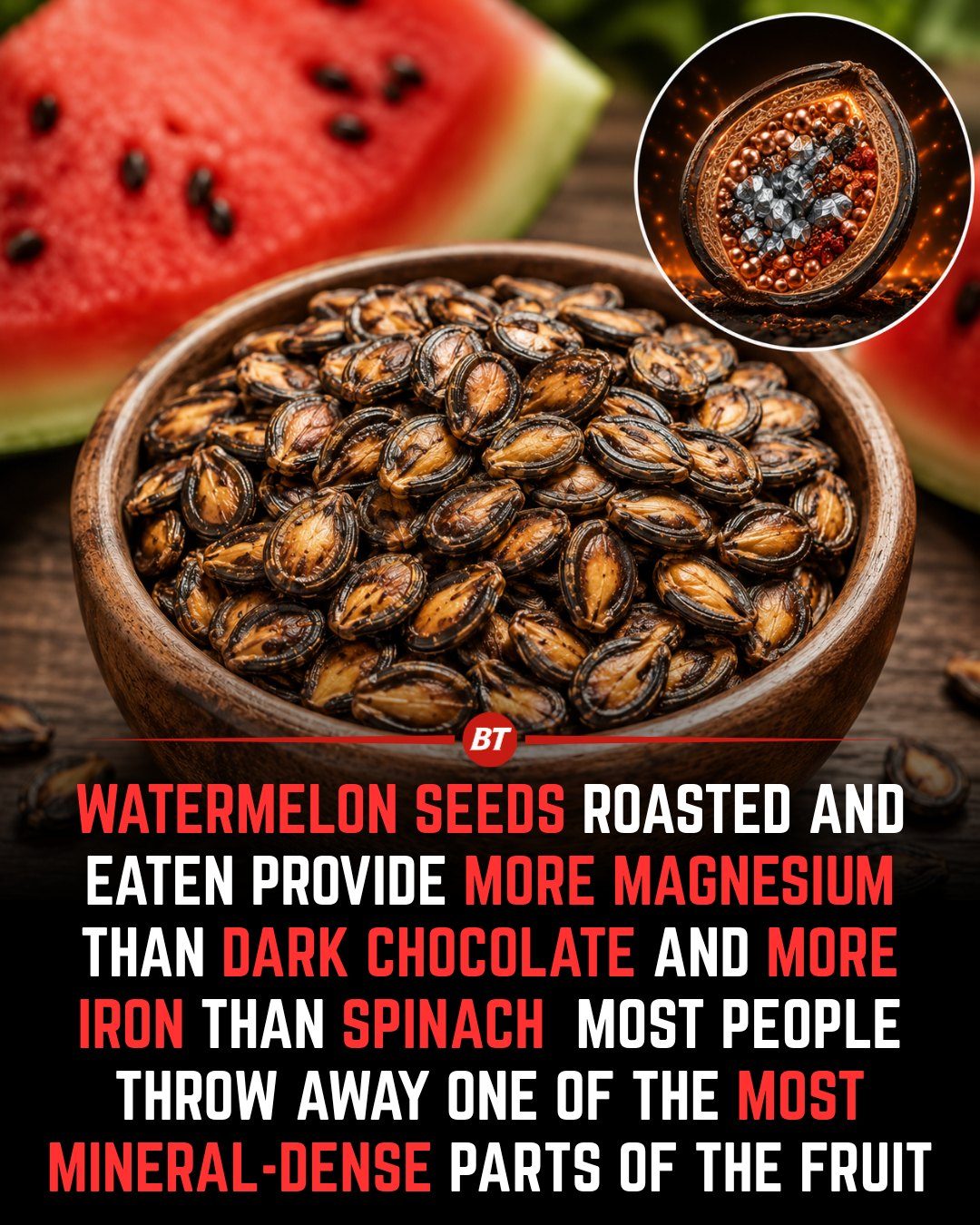
Watermelon Seeds: A Hidden Treasure Trove of Nutrients
While the juicy, red flesh of watermelons is a summer favorite, the seeds often go unnoticed and are typically discarded. However, these tiny seeds are a powerhouse of essential minerals and nutrients. Roasted watermelon seeds, in particular, offer a rich concentration of magnesium, iron, zinc, copper, and plant protein. Here’s a deep dive into the nutritional benefits and practical uses of these often-overlooked seeds.
Context: Why This Matters
Most people think of watermelons as a refreshing fruit, perfect for hydration and a sweet treat on a hot day. But the seeds, which are usually spit out or discarded, are a nutrient-dense part of the fruit that many people overlook. Roasting these seeds unlocks their nutritional potential, making them a surprisingly nutritious snack.
Nutritional Benefits of Roasted Watermelon Seeds
Magnesium: The Master Mineral
Magnesium is a crucial mineral involved in over 300 biochemical reactions in the body. It plays a vital role in regulating muscle contractions, nerve signaling, blood pressure, and sleep quality. Watermelon seeds are an excellent source of magnesium, providing more of this mineral than dark chocolate. This makes them a valuable addition to any diet, especially for those who may be deficient in magnesium.
Iron: Essential for Oxygen Transport
Iron is another key mineral found in watermelon seeds. It is essential for the production of hemoglobin, the protein that carries oxygen throughout the body. This makes iron crucial for maintaining energy levels, supporting the immune system, and ensuring healthy blood cell formation. Watermelon seeds contain more iron than spinach, making them a highly nutritious option for those looking to boost their iron intake.
Zinc and Copper: Vital for Immunity and Metabolism
Zinc and copper are minerals that support various bodily functions, including immunity and metabolism. Roasted watermelon seeds are a good source of both, providing necessary nutrients for overall health and well-being.
Plant Protein: A Sustainable Option
Watermelon seeds are also a source of plant protein, making them a great addition to vegetarian and vegan diets. Protein is essential for muscle function, tissue repair, and overall energy production. Including roasted watermelon seeds in your diet can help meet your daily protein requirements in a sustainable and nutritious way.
How to Roast Watermelon Seeds
-
Rinse and Dry: Rinse the seeds thoroughly to remove any pulp or residue, then pat them dry with a paper towel. This ensures they roast evenly and don't become soggy.
-
Season (Optional): You can season the seeds with a bit of salt, pepper, or your favorite spices for added flavor. This step is optional but can enhance the taste.
-
Roast in the Oven: Preheat your oven to 300°F (150°C). Spread the seeds evenly on a baking sheet and roast them for about 10-15 minutes, or until they turn golden brown and become crispy. Be sure to keep an eye on them to prevent burning.
-
Enjoy: Once roasted, let the seeds cool before eating. You can enjoy them as a snack or sprinkle them over salads, yogurt, or oatmeal for an extra boost of nutrients.
Practical Tips for Incorporating Roasted Watermelon Seeds into Your Diet
1. Snack Time
Roasted watermelon seeds make for a satisfying and nutritious snack. They are easy to carry and can be enjoyed anytime, anywhere. Whether you're at home, at work, or on the go, these seeds provide a quick energy boost and a dose of essential minerals.
2. Add to Meals
You can also incorporate these seeds into your everyday meals. Sprinkle them over salads, yogurt, or oatmeal for added texture and nutrition. They make a great topping for smoothie bowls, soups, and stir-fries, adding a nutty flavor and crunch.
3. Baking and Cooking
Consider using roasted watermelon seeds in your baking and cooking. They can be ground into a flour-like consistency and added to muffins, bread, or cookies. You can also use them as a topping for savory dishes, such as roasted vegetables or rice dishes.
4. Smoothies and Juices
For a liquid boost of nutrients, blend roasted watermelon seeds into your smoothies or juice. This can be a convenient way to incorporate the seeds into your diet, making it easier to get your daily dose of magnesium, iron, zinc, and copper.
Important Takeaways
- Nutrient-Dense: Watermelon seeds are packed with essential minerals and nutrients, making them a highly nutritious snack.
- Versatile: They can be enjoyed in various ways, from snacking to adding to meals, smoothies, and baked goods.
- Easy to Prepare: Roasting watermelon seeds is a simple process that enhances their flavor and nutritional profile.
- Environmentally Friendly: By using the seeds, you reduce waste and make the most of the entire fruit.
Conclusion
Watermelon seeds are more than just a discarded part of the fruit; they are a treasure trove of essential nutrients. Roasting these seeds unlocks their full potential, making them a delicious and nutritious addition to any diet. Whether you enjoy them as a snack, add them to your meals, or incorporate them into your cooking, roasted watermelon seeds offer a wealth of health benefits. Next time you cut open a watermelon, consider saving the seeds and giving them a roast. Your body will thank you!
Watch the Reel
Questions readers ask
Are watermelon seeds safe to eat?
Yes, watermelon seeds are safe to eat. In fact, they are a nutritious addition to your diet. Roasted watermelon seeds are a great snack option, and you can also incorporate them into salads, trail mixes, or baked goods.
What are the key minerals found in watermelon seeds?
Watermelon seeds are packed with essential minerals. Roasted seeds are particularly rich in magnesium, iron, zinc, and copper. These minerals support various bodily functions, including muscle health, immune function, and oxygen transport.
How do the protein benefits of watermelon seeds help the body?
Watermelon seeds contain plant protein, which is beneficial for muscle growth and repair. In addition, the magnesium in these seeds helps support muscle function. Combined, these nutrients make watermelon seeds a valuable addition to a balanced diet, especially for those involved in regular physical activity.
Why are roasted watermelon seeds often recommended over raw ones?
Roasting watermelon seeds enhances their nutritional benefits by increasing the concentration of essential minerals. Additionally, roasting improves the flavor and texture, making them a more appealing snack option. It also helps to kill any potential bacteria, ensuring they are safe to eat.
How do watermelon seeds compare to other seeds like pumpkin or chia seeds in terms of nutrients?
Watermelon seeds offer a unique nutrient profile compared to other seeds. While they share some nutrients with pumpkin and chia seeds, such as magnesium and zinc, watermelon seeds are higher in copper and provide a good amount of iron, which other seeds may lack. The exact composition of nutrients can vary, so both can be beneficial to include.
What are some culinary uses for watermelon seeds?
Roasted watermelon seeds can be a versatile ingredient in your cooking. You can sprinkle them on salads for added crunch, blend them into smoothies for extra nutrients, or use them as a topping for yogurt or oatmeal. They can also be incorporated into homemade energy bars or granola mixes.
Can eating watermelon seeds help with muscle recovery?
Yes, the combination of plant protein and magnesium in watermelon seeds can support muscle recovery. Magnesium helps to relax muscles and reduce cramps, while protein aids in the repair and growth of muscle tissue. This makes watermelon seeds a beneficial snack for those looking to support their muscle health.
Related deep dives
Similar reads based on topic and creator.




Recent articles
Fresh deep dives from the latest Reels we unpacked.




Comments
Be the first to comment.