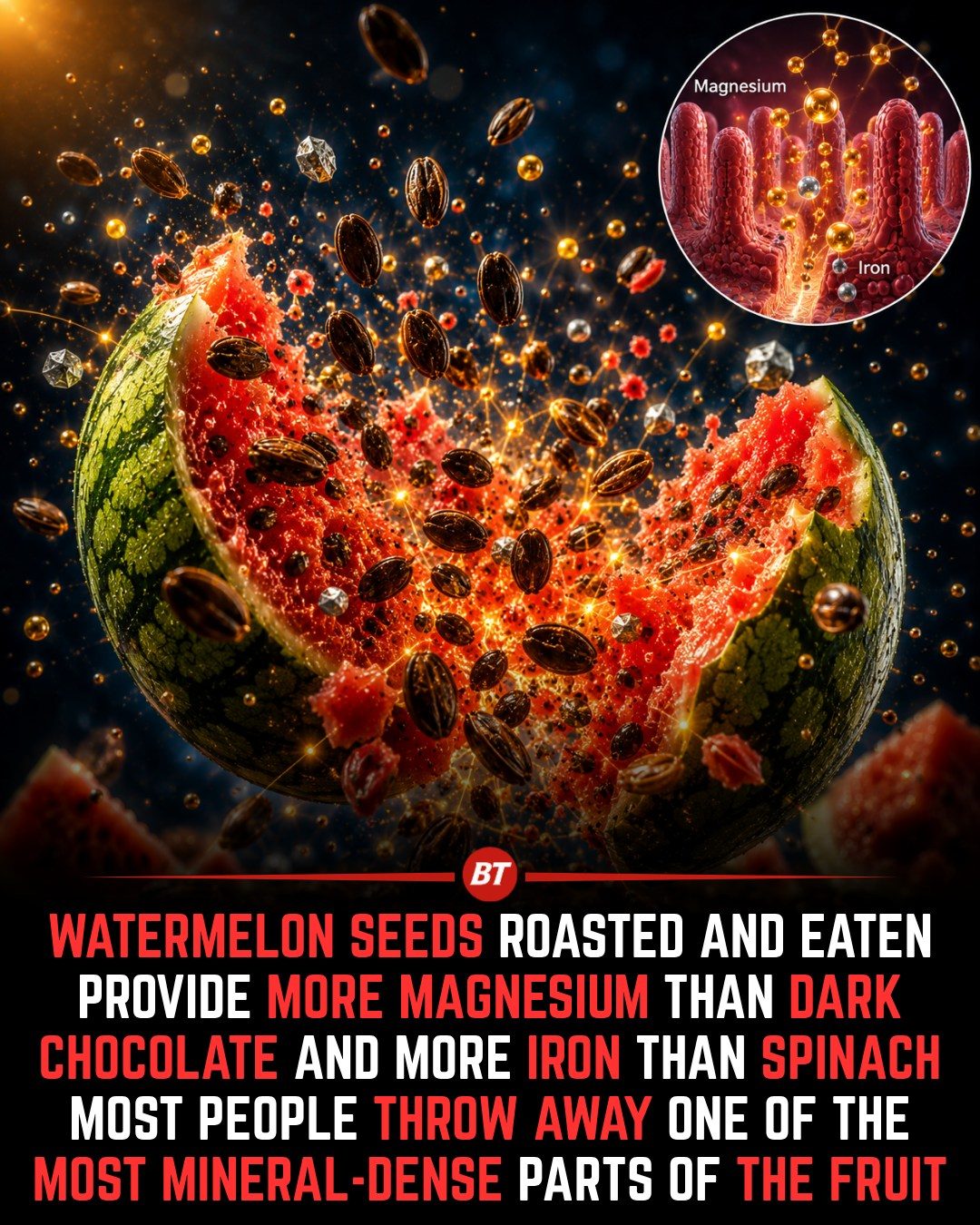
Watermelon Seeds: A Nutritional Powerhouse Often Overlooked
Watermelon is a quintessential summer fruit, beloved for its juicy, refreshing flesh. However, many people overlook the tiny black seeds nestled within the fruit. These seeds, often discarded, are surprisingly rich in essential minerals and nutrients that can significantly benefit your health.
The Nutritional Value of Watermelon Seeds
Watermelon seeds are a nutritious powerhouse, packed with minerals and nutrients that your body needs every day. When roasted and eaten, these seeds become a crunchy snack rich in:
- Magnesium: Watermelon seeds are among the richest natural sources of magnesium, a mineral involved in more than 300 biochemical reactions, including muscle function, nerve signaling, energy production, and maintaining healthy blood pressure.
- Iron: On a gram-for-gram basis, roasted watermelon seeds provide more iron than spinach.
- Zinc: This essential mineral supports immune function, wound healing, and DNA synthesis.
- Plant Protein: Watermelon seeds contain plant-based protein, making them a valuable addition to vegetarian and vegan diets.
- Healthy Unsaturated Fats: These seeds are rich in healthy fats that contribute to overall heart health.
The Hidden Trade-Off of Seedless Watermelons
Modern convenience has led to the widespread availability of seedless watermelons. While this makes the fruit easier to eat, it also means that many people never experience the nutritional benefits of watermelon seeds. Because seedless watermelons dominate grocery stores, fewer people consume these nutrient-dense seeds, which previous generations commonly enjoyed.
The preference for seedless watermelons has led to a hidden trade-off: we've made the fruit easier to eat, but in doing so, we've also made it easier to forget that some of the most valuable nutrients can be found in the parts we usually discard.
Why We Should Embrace Watermelon Seeds
Research published in reputable journals, including Nutrients, the Journal of Food Composition and Analysis, and the USDA FoodData Central, has shown that watermelon seeds are one of the most mineral-dense edible seeds. These studies highlight the importance of incorporating nutrient-dense foods into our diets, as many adults do not consume enough essential minerals.
Practical Tips for Incorporating Watermelon Seeds into Your Diet
If you find a seeded watermelon, don't discard the seeds. Here are some simple steps to enjoy their nutritional benefits:
- Rinse and Dry: Rinse the seeds to remove any pulp or residue, then let them dry thoroughly.
- Roast: Toss the seeds with a little olive oil, sea salt, or your favorite seasoning, and roast them in the oven at 350°F (175°C) for about 10-15 minutes, or until golden brown. You can also roast them on a stovetop skillet over medium heat.
- Store: Once cooled, store the roasted seeds in an airtight container for a convenient, on-the-go snack.
Important Takeaways
Watermelon seeds are a nutrient-dense food that many people overlook. Roasting and eating these seeds can provide a significant boost in essential minerals like magnesium and iron, as well as other valuable nutrients. By incorporating watermelon seeds into your diet, you can enjoy a crunchy, tasty snack while reaping the benefits of their impressive nutritional profile.
Conclusion
Whether you're a fan of watermelon or simply looking for a new way to boost your nutrient intake, don't overlook the power of watermelon seeds. These tiny, often discarded parts of the fruit are packed with essential minerals and nutrients that can contribute to a healthier, more balanced diet. The next time you slice into a watermelon, consider saving the seeds—and your body will thank you for it.
Watch the Reel
Questions readers ask
What are the key nutrients found in watermelon seeds?
Watermelon seeds are rich in various nutrients, including minerals like magnesium, iron, and zinc. They also contain protein and healthy fats, making them a beneficial addition to a balanced diet.
How can I incorporate watermelon seeds into my diet?
You can enjoy watermelon seeds by roasting them for a crunchy snack. Simply rinse, dry, and roast the seeds in the oven with a bit of oil and your choice of seasoning. Alternatively, you can add them to salads, yogurt, or baked goods for extra nutrients.
What are the health benefits of magnesium in watermelon seeds?
Magnesium in watermelon seeds supports over 300 biochemical reactions in the body. It is essential for muscle function, nerve signaling, and energy production. Adequate magnesium intake can also help maintain healthy blood pressure and support bone health.
Are all types of watermelon seeds edible?
Yes, all types of watermelon seeds are edible, including the black seeds found in standard watermelon varieties and the white seeds found in seedless watermelon varieties. However, seedless watermelons may have a mix of edible and inedible seeds due to cross-pollination.
Can eating watermelon seeds help with immune health?
Watermelon seeds are rich in zinc and iron, minerals that play a crucial role in immune function. Including these seeds in your daily diet can help to enhance your immune system and support overall health.
What are the benefits of eating watermelon seeds daily?
Eating watermelon seeds daily can contribute to a healthier diet. The combination of protein, healthy fats, and essential minerals in these seeds can support muscle function, immune health, and energy production, making them a valuable addition to your daily meals.
How can I store watermelon seeds for later use?
To store watermelon seeds, first rinse and dry them thoroughly. Spread them on a baking sheet and allow them to dry completely. Store the dried seeds in an airtight container in a cool, dry place. For longer storage, you can refrigerate or freeze the seeds to maintain their freshness.
Related deep dives
Similar reads based on topic and creator.




Recent articles
Fresh deep dives from the latest Reels we unpacked.




Comments
Be the first to comment.