Beet Juice Benefits
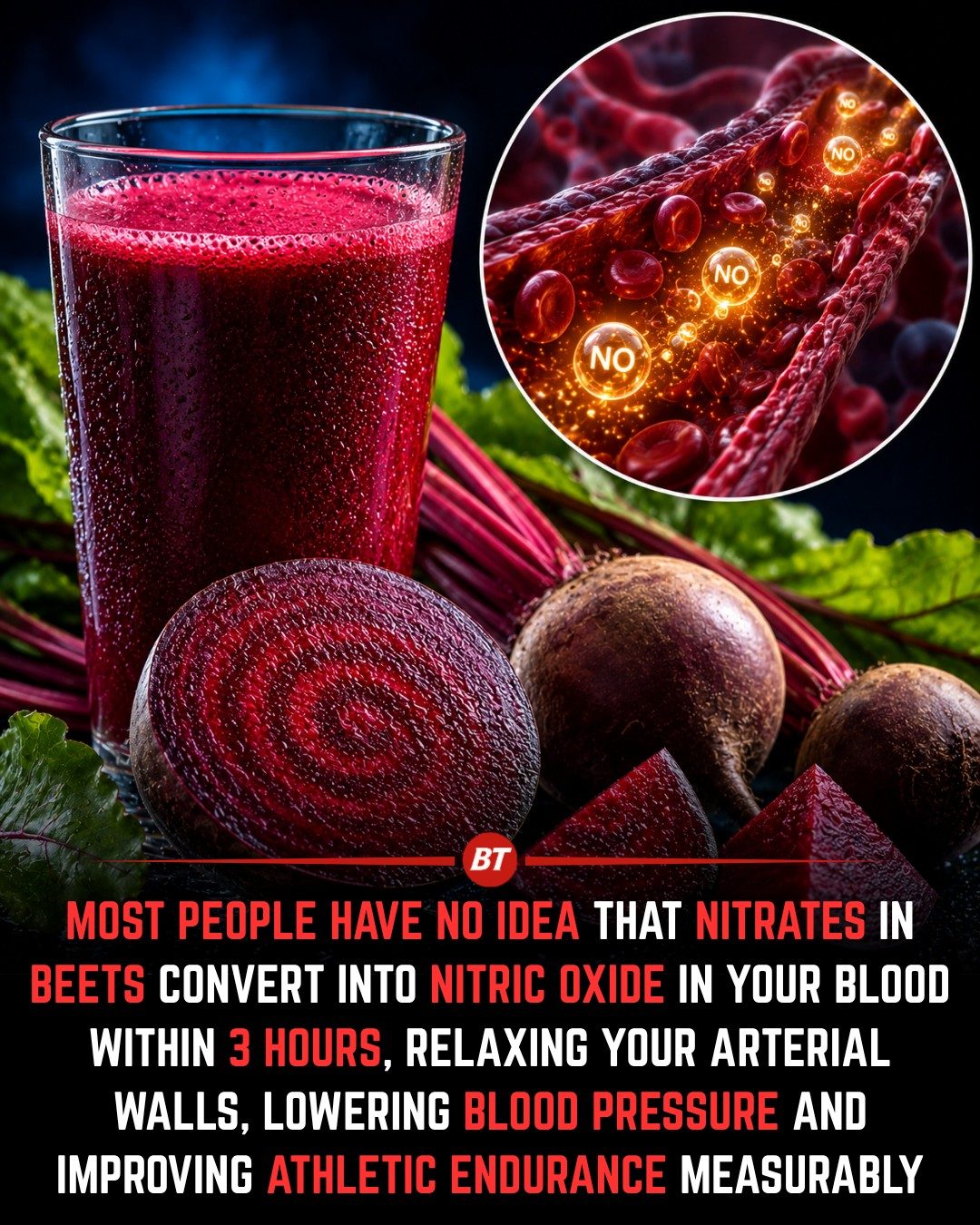
Beets are a vibrant, nutritious vegetable that offers a range of health benefits, particularly when consumed as juice. This root vegetable is rich in dietary nitrates, which convert into nitric oxide in the body, offering substantial advantages for cardiovascular health and athletic performance.
Context / Why this matters
Beets have long been appreciated for their delicious taste and vibrant color, but their health benefits are often overlooked. Understanding the science behind beet juice can help you appreciate why it is a valuable addition to your diet. This knowledge can enhance your health and athletic performance, offering tangible improvements in your overall well-being.
Main discussion
The Science Behind Beet Juice
Beets are one of the richest natural sources of dietary nitrates. When consumed, these nitrates undergo a fascinating chain reaction in the body. The process begins in the mouth, where bacteria convert nitrates into nitrites. These nitrites are then transformed into nitric oxide in the bloodstream. Nitric oxide is a powerful signaling molecule that helps the muscles in your blood vessel walls relax. As a result, blood vessels widen, improving circulation and allowing the heart to pump blood more efficiently throughout the body.
Improving Cardiovascular Health
One of the most notable benefits of beet juice is its potential to support healthy blood pressure. Researchers have found that beet-derived nitrates can help maintain optimal blood pressure levels. This effect is due to the relaxation of arterial walls, which reduces resistance to blood flow. Improved blood flow means better oxygen delivery to tissues and organs, enhancing overall cardiovascular health.
Enhancing Athletic Performance
Beet juice has become a favorite among athletes due to its ability to improve endurance and reduce the oxygen cost of exercise. The increased production of nitric oxide in the body helps muscles function more efficiently, which can lead to better performance during physical activities. Many athletes consume beet juice 2–3 hours before training to take advantage of peak nitric oxide production, which can improve endurance measurably.
Boosting Overall Health
Beyond their cardiovascular and athletic benefits, beets are also a nutritional powerhouse. They provide a range of essential nutrients, including betalain antioxidants, potassium, folate, and fiber. These nutrients contribute to both cardiovascular and overall health, making beets a valuable addition to any diet.
How to Incorporate Beets into Your Diet
Enjoying the benefits of beets is easy. You can incorporate them into your diet in various ways, including:
- Roasted Beets: Roasting brings out the natural sweetness of beets, making them a delicious side dish.
- Fresh Beet Juice: Juicing beets allows you to consume a concentrated dose of their health benefits.
- Smoothies: Blending beets into smoothies is a great way to incorporate their nutritional value into your daily routine.
For those interested in enhancing exercise performance, consuming beet juice 2–3 hours before activity can help take full advantage of the peak nitric oxide production, leading to improved endurance during workouts.
Practical tips
Optimal Timing for Consumption
For athletic performance, timing is crucial. Consuming beet juice 2–3 hours before exercise can help you experience the peak benefits of nitric oxide production. This timing allows the body to fully convert the nitrates into nitric oxide, ensuring optimal performance during your workout.
Balanced Diet
While beet juice offers numerous benefits, it's important to consume it as part of a balanced diet. Incorporate a variety of nutrient-rich foods to ensure you're getting a wide range of vitamins and minerals. Beet juice can complement other healthy foods and beverages, contributing to a well-rounded diet.
Hydration
Staying hydrated is key when incorporating beet juice into your diet. Beet juice is concentrated and can be dehydrating if not balanced with adequate water intake. Make sure to drink plenty of water throughout the day to stay hydrated and maximize the benefits of beet juice.
Experiment with Recipes
Don't be afraid to experiment with different recipes that include beets. Roasted beets, beet salads, and beet smoothies are just a few ways to enjoy this versatile vegetable. By trying different preparations, you can find the method that works best for you and keeps your diet interesting.
Important takeaways
- Healthy Blood Pressure: Beet juice can help support healthy blood pressure by relaxing arterial walls and improving circulation.
- Enhanced Exercise Performance: The increased production of nitric oxide in the body can improve endurance and reduce the oxygen cost of exercise, making beet juice a popular choice among athletes.
- Nutritional Powerhouse: Beets provide a range of essential nutrients, including betalain antioxidants, potassium, folate, and fiber, contributing to overall health.
- Versatile Consumption: Beet juice can be enjoyed in various forms, including roasted beets, fresh beet juice, and smoothies, making it easy to incorporate into your diet.
Conclusion
Beets are more than just a root vegetable—they trigger a fascinating chain reaction in the body that can significantly improve blood flow and overall health. By understanding the science behind beet juice, you can appreciate its numerous benefits and incorporate it into your diet to support cardiovascular health, enhance athletic performance, and boost overall well-being. Whether you enjoy roasted beets, fresh beet juice, or smoothies, there are plenty of ways to reap the benefits of this nutritional powerhouse.
Watch the Reel
Questions readers ask
How does beet juice enhance athletic performance?
Beet juice improves athletic performance by increasing the body's production of nitric oxide, which enhances blood flow and reduces the oxygen cost of exercise. This means your muscles receive more oxygen and nutrients, allowing you to perform at a higher level for longer periods. This can be particularly beneficial for endurance activities.
Can beet juice help lower blood pressure?
Yes, beet juice can help lower blood pressure. The nitrates in beet juice convert into nitric oxide, which helps relax and widen blood vessels, promoting better blood flow and reducing overall blood pressure. Regular consumption of beet juice may contribute to improved cardiovascular health.
What are the key nutrients in beet juice that benefit health?
The primary beneficial component in beet juice is dietary nitrates. These nitrates convert into nitric oxide in the body, which supports cardiovascular health and enhances exercise performance. Beet juice also contains vitamins, minerals, and antioxidants that contribute to overall health.
How does beet juice improve cardiovascular health?
Beet juice supports cardiovascular health by increasing nitric oxide levels, which helps widen blood vessels and improve blood flow. This can reduce the risk of hypertension and other cardiovascular issues, promoting better heart health and overall well-being. Regular consumption can be a natural way to support your cardiovascular system.
Is beet juice beneficial for endurance athletes?
Absolutely, beet juice is highly beneficial for endurance athletes. The nitric oxide produced from the nitrates in beet juice enhances blood flow and oxygen delivery to muscles, reducing the perceived exertion during exercise. This can lead to improved endurance and performance in activities like running, cycling, and swimming.
How soon before exercise should I drink beet juice for optimal benefits?
To experience the benefits of beet juice for exercise, it's recommended to consume it about 2-3 hours before your workout. This allows enough time for the nitrates to convert into nitric oxide and provide the performance-enhancing effects. Timing your intake properly can maximize the impact on your athletic performance.
Are there any side effects to consuming beet juice?
Most people can enjoy beet juice without any issues, but some may experience temporary changes in stool color, which is harmless. Additionally, a small portion of the population might experience digestive discomfort. If you're on blood pressure medication, consult a healthcare provider before incorporating beet juice into your routine, as it may interact with your medication.
Related deep dives
Similar reads based on topic and creator.




Recent articles
Fresh deep dives from the latest Reels we unpacked.




Comments
Be the first to comment.