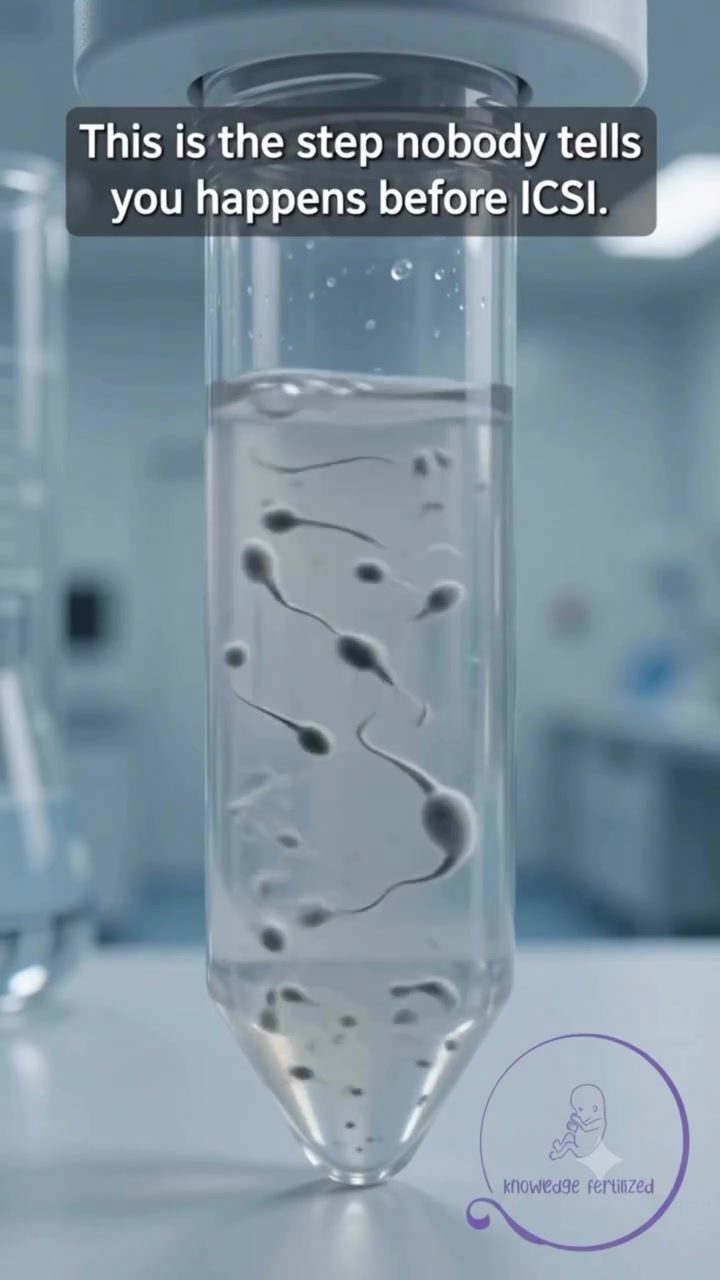
The Sperm Washing Process: A Crucial Step Before ICSI
Before fertilization, sperm samples undergo a critical yet often overlooked process known as sperm washing. This laboratory procedure separates the strongest, most motile sperm from weaker cells and debris, enhancing the chances of successful fertilization. The process is particularly important before Intracytoplasmic Sperm Injection (ICSI), a method used in assisted reproductive technology.
Context: The Importance of Sperm Washing
The sperm washing process is a pivotal step in the journey towards successful fertilization. It ensures that only the most viable sperm are used, thereby increasing the likelihood of fertilization and healthy embryo development. This procedure is commonly employed in various fertility treatments, including In Vitro Fertilization (IVF) and Intrauterine Insemination (IUI).
The Sperm Washing Process
What is Sperm Washing?
Before diving into the steps, it's essential to understand what sperm washing entails. The process involves centrifuging sperm samples to remove seminal fluid, debris, and non-motile or immotile sperm. The result is a concentrated sample of highly motile sperm, which are then ready for use in fertility treatments.
Steps Involved in Sperm Washing
The procedure typically involves several key steps:
- Preparation: The sperm sample is collected and allowed to liquefy.
- Centrifugation: The sample is then centrifuged to separate the sperm from seminal fluid and debris. This step uses a centrifuge, a device that spins the sample at high speeds to separate its components based on density.
- Washing: The centrifuged sample is washed with a buffer solution to remove any remaining seminal fluid and debris. This step helps to isolate the sperm and improve their motility.
- Concentration: The washed sample is then concentrated to increase the number of sperm per unit volume. This step ensures that a sufficient number of sperm are available for fertilization.
Why is Sperm Washing Important Before ICSI?
ICSI is a technique where a single sperm is injected directly into an egg to achieve fertilization. The sperm washing process ensures that only the most motile and morphologically normal sperm are selected for this delicate procedure. This increases the chances of successful fertilization and the development of a healthy embryo.
The Role of Laboratory Equipment
Laboratory equipment plays a crucial role in the sperm washing process. Centrifuges, micropipettes, and other specialized tools are used to handle and manipulate the sperm samples with precision. These tools help to ensure that the process is carried out efficiently and effectively, maximizing the chances of successful fertilization.
Practical Tips for Laboratory Technicians
Ensuring Sample Integrity
Maintaining the integrity of the sperm sample is vital. This involves:
- Rapid Handling: Ensuring that the sample is processed as quickly as possible to minimize exposure to environmental factors that could affect sperm motility.
- Proper Centrifugation: Using the correct settings on the centrifuge to ensure that the sperm are separated effectively without damage.
- Aseptic Techniques: Employing sterile techniques to prevent contamination, which could compromise the sample.
Optimizing Washing Steps
- Use of Buffer Solutions: Choosing the right buffer solution is essential. It should be isotonic to maintain the osmolarity of the sperm environment and help preserve sperm motility.
- Adequate Washing: Ensuring that the washing step is thorough but not overdone. Excessive washing can remove essential nutrients and proteins that support sperm motility.
Important Takeaways
- Critical Procedure: Sperm washing is a crucial step before ICSI, ensuring that only the strongest sperm are used for fertilization.
- Precision Matters: The use of specialized laboratory equipment and precise techniques is essential for successful sperm washing.
- Enhanced Fertilization: The process significantly enhances the chances of successful fertilization and the development of healthy embryos.
- Professional Guidance: Proper handling and washing techniques are essential for maintaining the integrity and motility of the sperm sample.
Conclusion
The sperm washing process is a critical yet often overlooked step in the journey towards successful fertilization. By separating the strongest, most motile sperm from weaker cells and debris, this procedure significantly enhances the chances of fertilization and the development of healthy embryos. Understanding the steps involved and the importance of precise laboratory techniques is essential for those involved in fertility treatments.
Watch the Reel
Questions readers ask
What is the primary goal of the sperm washing process?
The primary goal of the sperm washing process is to isolate the most robust and motile sperm from weaker cells and debris. This ensures that only the healthiest sperm are used for fertilization, thereby increasing the chances of a successful ICSI procedure and healthy embryo development.
How does the sperm washing process enhance ICSI success rates?
Sperm washing enhances ICSI success rates by selecting only the most viable sperm. This process removes dead cells, debris, and other impurities which can negatively impact fertility. By using the strongest sperm, it improves the likelihood of successful fertilization and subsequent embryo development.
What are the key steps involved in the sperm washing process?
The sperm washing process typically involves several key steps: semen sample collection, centrifugation to separate sperm from seminal fluid, removal of the seminal plasma and other debris, and resuspension of the sperm in a suitable medium. This is often followed by further purification steps to select the best sperm.
Why is sperm washing particularly important for ICSI?
Sperm washing is particularly important for ICSI because it ensures that only the most motile and healthy sperm are selected for the injection process. This increases the chances of successful fertilization and embryo development, as ICSI involves injecting a single sperm directly into an egg.
Can sperm washing be used for other fertility treatments besides ICSI?
Yes, the sperm washing process can be used in various fertility treatments beyond ICSI. It's commonly employed in procedures such as intrauterine insemination (IUI) and in vitro fertilization (IVF). The process helps ensure that the best-quality sperm are used, thereby improving the overall success rates of these treatments.
What are the benefits of sperm washing for fertility treatments?
Sperm washing offers several benefits for fertility treatments. It increases the chances of successful fertilization by selecting the most motile and healthy sperm. It also helps in removing potential contaminants and debris, which can interfere with fertilization and embryo development, ultimately enhancing the overall success of the treatment.
What techniques are used for sperm selection during the sperm washing process?
During the sperm washing process, several techniques are used for sperm selection. These include centrifugation to separate sperm from seminal fluid, density gradient centrifugation to isolate the most motile sperm, and sometimes the use of specialized media or devices to further purify the sperm sample.
Recent articles
Fresh deep dives from the latest Reels we unpacked.




Comments
Be the first to comment.