Solar Panel Cleaning Robots: Revolutionizing Solar Farm Maintenance
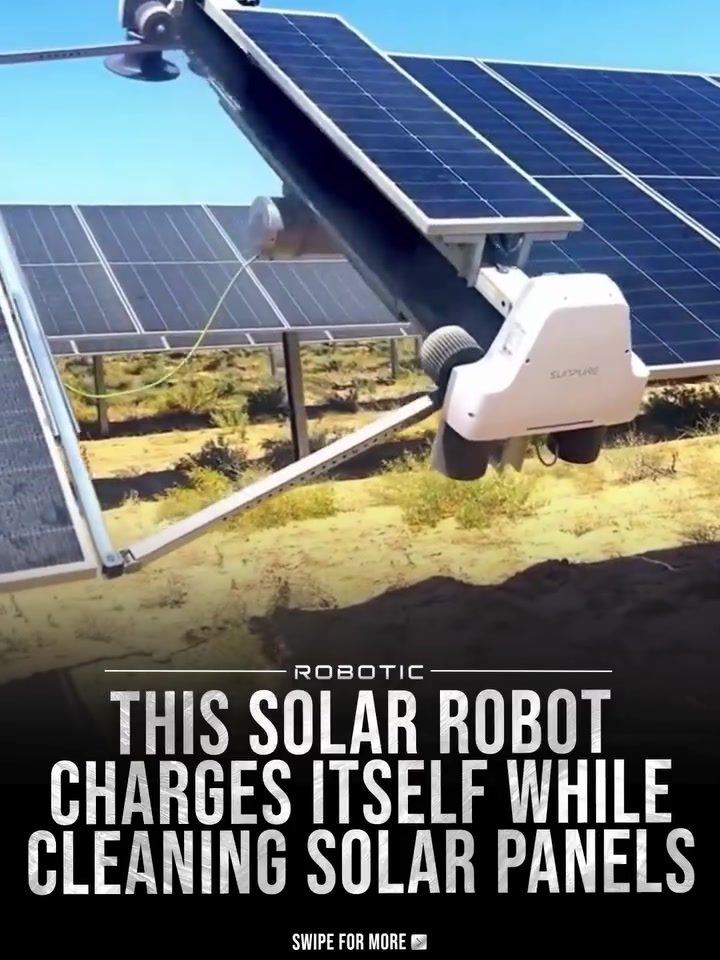
Solar panel cleaning robots are transforming solar farm operations. These autonomous machines clean solar panels while powering themselves with sunlight, significantly enhancing the efficiency of solar energy production. As solar farms continue to expand worldwide, these robots are becoming integral to renewable energy infrastructure, helping maximize electricity generation while minimizing maintenance costs.
The Growing Need for Solar Panel Cleaning
Solar farms require regular maintenance to maintain optimal performance. Dust, sand, and debris can accumulate on solar panels, reducing their energy output by up to 25% in some cases. Traditional cleaning methods involve manual labor and significant water usage, both of which are costly and environmentally taxing.
Autonomous solar panel cleaning robots, like those designed by Suvius, address these challenges by automating the cleaning process. These robots not only reduce the need for human intervention but also decrease water consumption, making solar energy production more sustainable and cost-effective.
What Makes Solar Panel Cleaning Robots Effective?
Several key features make solar panel cleaning robots highly effective:
- Autonomous Operation: These robots navigate solar panel arrays independently, using advanced sensors and algorithms to detect and remove dirt and debris efficiently.
- Self-Powering: Equipped with onboard solar panels, these robots can recharge while in operation, ensuring they have a continuous power source without relying on external energy inputs.
- Efficient Cleaning: They use various methods, such as brushes, sprays, or microfiber cloths, to clean solar panels without scratching or damaging them.
Onboard Solar Panels
One of the standout features of Suvius robots is their onboard solar panels. These panels allow the robot to recharge while it is cleaning, ensuring that it has a continuous power supply without the need for external charging or the use of additional energy resources. This capability is crucial for maintaining the robot's operational efficiency, especially in remote or expansive solar farms.
Minimal Human Intervention
By automating the cleaning process, solar panel cleaning robots reduce the need for human labor. This not only lowers operational costs but also minimizes the risk of injuries associated with manual cleaning tasks. With these robots in place, solar farm operators can focus on other critical aspects of their operations, such as maintenance, monitoring, and optimizing energy production.
Types of Solar Panel Cleaning Robots
Several types of solar panel cleaning robots are available, each designed to meet specific needs and environments. Here are a few common types:
- Tracked Robots: These robots move along tracks installed on the solar panel arrays. They are stable and can handle various terrains, making them suitable for large-scale solar farms.
- Wheeled Robots: These robots move on wheels and are more maneuverable than tracked robots. They are ideal for navigating complex layouts and uneven surfaces.
- Droned Robots: These robots fly over the solar panels and use specialized cleaning tools to remove debris. They are best for accessing hard-to-reach areas and high-altitude installations.
Suvius Robots
Suvius has developed a range of solar panel cleaning robots known for their reliability and efficiency. These robots are particularly effective in large-scale solar farms, where maintaining peak performance is crucial. Suvius robots are designed to operate autonomously, reducing the need for human intervention and minimizing operational costs.
Practical Tips for Implementing Solar Panel Cleaning Robots
Implementing solar panel cleaning robots can significantly enhance the efficiency of your solar farm. Here are some practical tips to get you started:
- Assess Your Needs: Determine the specific requirements of your solar farm, including the size, layout, and environmental conditions. This will help you choose the right type of cleaning robot for your needs.
- Choose the Right Robot: Select a robot that is compatible with your solar panel arrays and can handle the specific challenges of your environment. Consider factors such as terrain, climate, and the types of debris you need to remove.
- Installation and Maintenance: Ensure that the robots are installed correctly and that you have a maintenance plan in place to keep them running smoothly. Regular maintenance can help extend the lifespan of your robots and ensure they continue to operate efficiently.
- Monitor and Optimize: Use monitoring tools to track the performance of your cleaning robots and optimize their operation. This can help you identify any issues early and make adjustments as needed.
Important Takeaways
The integration of solar panel cleaning robots in solar farms offers numerous advantages, including:
- Improved Efficiency: Automated cleaning helps maintain peak energy output by removing debris that can reduce solar panel performance.
- Cost Savings: By reducing the need for human labor and water, these robots lower operational costs.
- Sustainability: The use of onboard solar panels and minimal water consumption makes these robots an eco-friendly solution for solar farm maintenance.
- Reliability: Autonomous operation and continuous power supply ensure that the robots can perform their tasks consistently and reliably.
Conclusion
Solar panel cleaning robots, particularly those developed by brands like Suvius, are revolutionizing the way solar farms are maintained. By automating the cleaning process, these robots enhance energy production efficiency, reduce operational costs, and promote sustainability. As the demand for renewable energy continues to grow, the adoption of solar panel cleaning robots will likely become more widespread, further driving advancements in this field. Embracing this technology can help solar farm operators maximize their energy output while minimizing their environmental impact and operational expenses.
Watch the Reel
Questions readers ask
How often should solar panels be cleaned for optimal performance?
The frequency of solar panel cleaning depends on the environment, but generally, panels should be cleaned every 6 to 12 months to maintain peak efficiency. In areas with high dust or pollen, more frequent cleaning may be necessary.
What are the benefits of using solar panel cleaning robots over manual cleaning?
Solar panel cleaning robots conserve resources by using less water and labor while maintaining high efficiency. Additionally, they reduce the risk of human error and can reach difficult angles and heights more safely than manual labor.
How do solar panel cleaning robots operate autonomously?
These robots use advanced sensors, AI and GPS to navigate solar farms and clean panels systematically. They are equipped with brushes or waterless cleaning systems that remove dirt and debris without causing damage to the solar panels.
Can solar panel cleaning robots operate in all weather conditions?
Solar panel cleaning robots are designed to operate in various weather conditions, but extreme weather like heavy rain, snow, or high winds can limit their functionality. They typically have built-in sensors to detect unsafe conditions and automatically return to their docking stations.
What types of debris can solar panel cleaning robots effectively remove?
Solar panel cleaning robots are designed to remove a variety of debris, including dust, dirt, sand, pollen, and bird droppings. Advanced models can also handle more stubborn debris, thanks to their robust cleaning mechanisms and precise navigation systems.
How do autonomous solar panel cleaning robots impact energy conservation?
Autonomous robots enhance energy conservation by ensuring solar panels operate at peak performance, maximizing energy output. Additionally, they contribute to energy conservation by eliminating the need for frequent manual inspections and reducing the labor and resources for maintenance.
Recent articles
Fresh deep dives from the latest Reels we unpacked.




Comments
Be the first to comment.