Pumpkin Seeds and Their Potential Benefits for Gut Health
Pumpkin seeds are more than just a seasonal treat; they contain cucurbitacins, natural plant compounds that have garnered scientific interest for their potential to combat certain intestinal parasites. For centuries, these seeds have been used in traditional medicine as a natural remedy for intestinal worms. The primary active compounds in pumpkin seeds are cucurbitacins, which are bitter compounds that may interfere with the movement of some parasites, potentially making them easier for the body to eliminate.
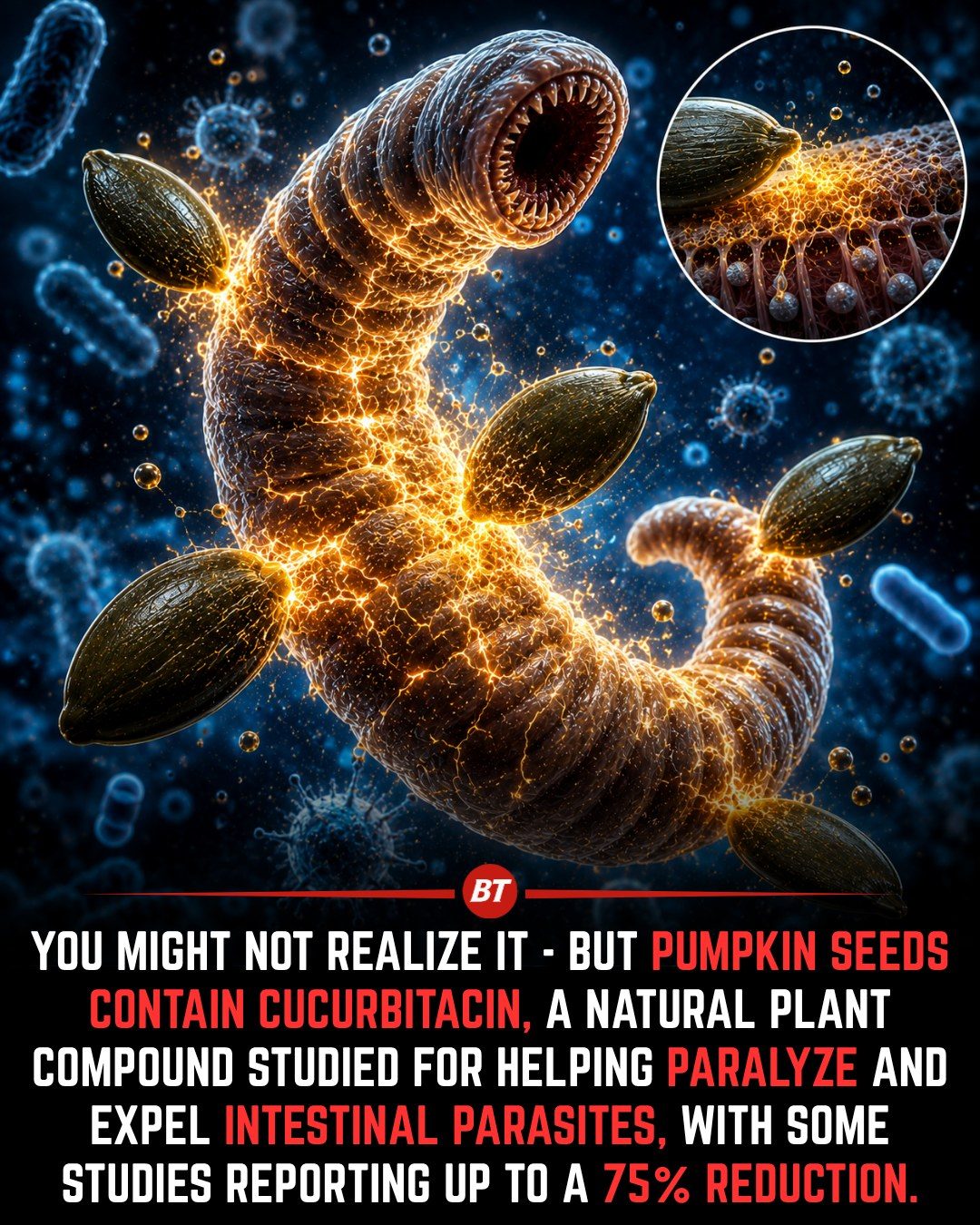
Cucurbitacin is a natural plant compound found in pumpkin seeds. It is studied for its potential to paralyze and expel intestinal parasites. Some studies have reported up to a 75% reduction in parasite counts when pumpkin seeds were part of the treatment regimen. However, it's important to note that these studies were generally small, used different treatment methods, and focused on specific parasite species. More high-quality clinical research is needed to fully understand the potential of cucurbitacins in treating intestinal parasites.
Why This Matters
Intestinal parasites are a significant global health concern, affecting millions of people worldwide. While conventional medications are effective, there is growing interest in natural remedies that can complement or augment these treatments. Pumpkin seeds offer a promising avenue due to their bioactive compounds and nutritional benefits. Moreover, their use in traditional medicine highlights the potential for natural remedies to play a role in modern healthcare.
Cucurbitacins and Parasite Control
Cucurbitacins are a group of bitter-tasting compounds found in various plants, including pumpkins. These compounds have been studied for their potential to disrupt the life cycle of intestinal parasites. Laboratory and animal studies suggest that cucurbitacins may interfere with the movement and reproduction of certain parasites, making them easier for the body to expel.
Several small human studies have explored the use of pumpkin seeds as part of natural antiparasitic treatments. These studies have shown promising results, with some reporting substantial reductions in certain intestinal parasites. In some trials, particularly when pumpkin seed preparations were combined with other ingredients or conventional therapies, researchers reported significant parasite reductions, with some studies finding reductions of up to 75% depending on the parasite being treated.
Nutritional Benefits of Pumpkin Seeds
Beyond their potential antiparasitic properties, pumpkin seeds are also rich in essential nutrients. They are an excellent source of:
- Zinc: Crucial for immune function and repair of body tissues.
- Magnesium: Important for muscle and nerve function, blood sugar control, and blood pressure regulation.
- Healthy Fats: Contain monounsaturated and polyunsaturated fats that support heart health.
- Plant Protein: Provides a good amount of protein, making them a valuable addition to a vegetarian or vegan diet.
- Fiber: Supports digestive health and helps maintain healthy blood sugar levels.
Practical Tips for Incorporating Pumpkin Seeds into Your Diet
Pumpkin seeds are versatile and can be easily incorporated into your daily diet. Here are some practical tips:
- Snacking: Enjoy a small handful of roasted, unsalted pumpkin seeds as a daily snack. They are a convenient and nutritious option for on-the-go snacking.
- Salads: Sprinkle pumpkin seeds over your favorite salads for a crunchy texture and added nutrition.
- Yogurt: Add a spoonful of pumpkin seeds to your morning yogurt for a nutty flavor and extra protein.
- Oatmeal: Stir pumpkin seeds into your oatmeal for a hearty and satisfying breakfast.
- Baking: Use pumpkin seed flour or ground seeds in baking recipes for a nutty flavor and added nutrients.
Important Considerations
While pumpkin seeds offer potential benefits, it is important to remember that they should not replace medically approved antiparasitic medications when a parasitic infection has been diagnosed. Instead, pumpkin seeds can be viewed as a nutritious whole food that contains bioactive compounds worthy of continued scientific investigation.
Important Takeaways
Pumpkin seeds contain cucurbitacins, which may help combat certain intestinal parasites. They also offer a range of nutritional benefits, making them a valuable addition to a healthy diet. While more research is needed, incorporating pumpkin seeds into your diet can be a tasty and nutritious way to support overall health.
Conclusion
Pumpkin seeds are a nutritious and versatile food with potential benefits for gut health. Their rich content of cucurbitacins and essential nutrients makes them a valuable addition to any diet. Whether you enjoy them as a snack or incorporate them into your meals, pumpkin seeds offer a natural and delicious way to support your health.
Watch the Reel
Questions readers ask
What are cucurbitacins and how do they work against parasites?
Cucurbitacins are natural plant compounds found in pumpkin seeds. They are believed to interfere with the movement of intestinal parasites, potentially making them easier for the body to eliminate. This effect may help reduce the number of parasites in the gut.
How have pumpkin seeds been used traditionally?
Pumpkin seeds have been used for centuries in traditional medicine as a natural remedy for intestinal worms. They have been employed in various cultures to support gut health and combat parasitic infections.
What does the current research say about pumpkin seeds and parasites?
Studies have shown promising results, with some reporting up to a 75% reduction in parasite counts when pumpkin seeds are consumed. However, more research is needed to fully understand their effectiveness and optimal usage.
Are there other benefits to consuming pumpkin seeds besides parasite control?
Yes, pumpkin seeds offer a range of benefits beyond parasite control. They are a good source of healthy fats, proteins, and various minerals like magnesium and zinc, making them a nutritious snack for overall health.
Can pumpkin seeds be used as a sole treatment for intestinal parasites?
While pumpkin seeds show potential in combating intestinal parasites, they should not be used as a sole treatment. It is important to consult with a healthcare professional for proper diagnosis and treatment, especially for severe or persistent infections.
How can I incorporate pumpkin seeds into my diet for potential parasite-fighting benefits?
You can easily incorporate pumpkin seeds into your diet by adding them to salads, oatmeal, or yogurt. They can also be eaten as a snack on their own. To maximize potential benefits, consider consuming them regularly as part of a balanced diet.
Related deep dives
Similar reads based on topic and creator.




Recent articles
Fresh deep dives from the latest Reels we unpacked.




Comments
Be the first to comment.