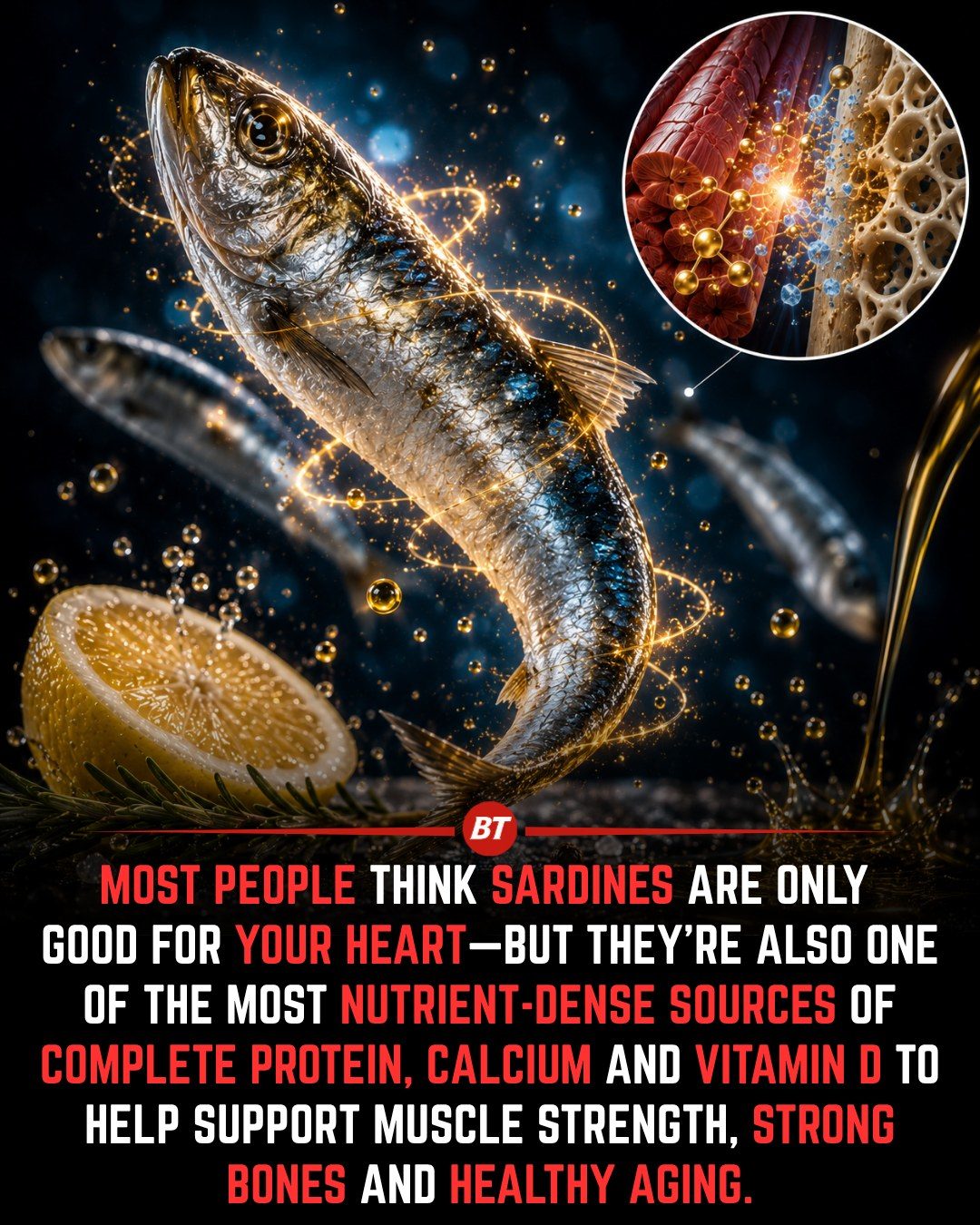
Health Benefits of Sardines
Small but mighty, sardines pack a powerful nutritional punch that goes far beyond their modest size. These tiny fish are often celebrated for their heart-healthy omega-3 fatty acids, but their benefits extend to multiple aspects of overall health, particularly for strong muscles, bone strength, and healthy aging.
Why This Matters
Including sardines in your diet can support various health goals, from maintaining muscle mass to promoting bone health and reducing inflammation. Their nutrient profile makes them a valuable addition to a balanced diet, especially for those looking to optimize their nutritional intake without consuming excessive calories.
Main Discussion
Nutritional Powerhouse
Sardines are one of the most nutrient-dense foods available. They provide a rich source of complete protein, containing all nine essential amino acids your body needs to build and repair muscle. This makes sardines an excellent choice for vegetarians and vegans or anyone looking to increase their protein intake without relying heavily on red meat or dairy.
Bone Health
One of the standout features of sardines is their high calcium content, which is crucial for maintaining bone density and strength. Since sardines are typically consumed with their soft, edible bones, they offer a readily absorbable form of calcium. This, combined with their vitamin D content, helps the body absorb and utilize calcium more effectively, reducing the risk of age-related bone loss and conditions like osteoporosis.
Muscle Strength
The complete protein in sardines supports muscle growth and repair, which is essential for maintaining muscle mass and strength, especially as we age. Regular consumption of sardines can help prevent muscle wasting and support overall physical fitness.
Heart Health and Beyond
Sardines are well-known for their heart-healthy omega-3 fatty acids, which help reduce inflammation and support normal cell function. These fatty acids are also beneficial for brain health and cognitive function. Additionally, sardines are an excellent source of vitamin B12, which is crucial for nerve health, red blood cell production, and energy metabolism.
Healthy Aging
The combination of nutrients in sardines—including protein, calcium, vitamin D, omega-3 fatty acids, and vitamin B12—makes them a superb food for promoting healthy aging. They support muscle and bone health, reduce inflammation, and contribute to overall vitality and well-being.
Practical Tips
Incorporating sardines into your diet is easy and delicious. Here are a few practical tips to help you get started:
Including Sardines in Meals
- Whole-Grain Toast: Spread a can of sardines on a slice of whole-grain toast for a protein-rich breakfast or snack.
- Salads: Mix sardines into your favorite salad for added protein and omega-3s.
- Pasta Dishes: Toss sardines with pasta for a quick and nutritious meal.
- Mashed with Avocado and Lemon: Combine sardines with mashed avocado and a squeeze of lemon for a flavorful and nutrient-dense spread.
Choosing the Right Sardines
When selecting sardines, opt for those packed in water rather than oil to avoid added calories and fat. Look for brands that use sustainable fishing practices to support environmental health.
Important Takeaways
- Sardines are a nutrient-dense food that supports muscle strength, bone health, and healthy aging.
- They provide complete protein, calcium, and vitamin D, essential for overall health.
- Omega-3 fatty acids in sardines support heart health, brain function, and reduce inflammation.
- Vitamin B12 in sardines is crucial for nerve health, red blood cell production, and energy metabolism.
- Incorporating sardines into your diet is easy with various meal ideas from breakfast to dinner.
Conclusion
Sardines are a versatile and nutritious food that offers a wide range of health benefits. From supporting muscle and bone health to promoting heart health and healthy aging, these small fish are a big player in a balanced diet. Whether you enjoy them on toast, in salads, or as part of a pasta dish, sardines are a delicious and nutritious addition to any meal. Embrace the power of sardines and reap the rewards of a nutrient-dense, health-focused diet.
Watch the Reel
Questions readers ask
What makes sardines a great food for maintaining muscle strength?
Sardines are rich in high-quality protein, which is essential for muscle repair, growth, and maintenance. Including sardines in your diet can help preserve muscle mass, especially as you age, supporting overall strength and mobility.
How can sardines contribute to bone health and prevent osteoporosis?
Sardines are an excellent source of calcium, which is crucial for maintaining strong bones. They also contain vitamin D, which aids in calcium absorption. Regular consumption of sardines, particularly those with bones, can help improve bone density and reduce the risk of osteoporosis.
What essential nutrients do sardines provide for healthy aging?
Sardines are packed with essential nutrients, including omega-3 fatty acids, which help reduce inflammation, and proteins, calcium, and vitamin D. These nutrients support muscle and bone health, cardiovascular function, and overall well-being, making them a beneficial part of a healthy aging diet.
Why are sardines considered one of the healthiest foods for overall well-being?
Sardines offer a wide range of health benefits due to their nutrient-dense profile. They are rich in protein, calcium, omega-3 fatty acids, and vitamin D. These nutrients contribute to heart health, muscle strength, bone density, and inflammation reduction, making sardines a valuable addition to a balanced diet.
Can eating sardines help with heart health?
Yes, sardines are known for their heart-healthy omega-3 fatty acids, which can help lower triglycerides, reduce inflammation, and decrease the risk of heart disease. Incorporating sardines into your diet can support cardiovascular health as part of a balanced eating plan.
What are the best ways to include sardines in a diet for essential nutrients?
Sardines can be incorporated into your diet in various ways, such as eating them canned or fresh, adding them to salads, sandwiches, or pasta dishes. To maximize their nutritional benefits, choose sardines with bones to increase calcium intake, and opt for those packed in water or olive oil to avoid added sodium or unhealthy fats.
Related deep dives
Similar reads based on topic and creator.




Recent articles
Fresh deep dives from the latest Reels we unpacked.




Comments
Be the first to comment.