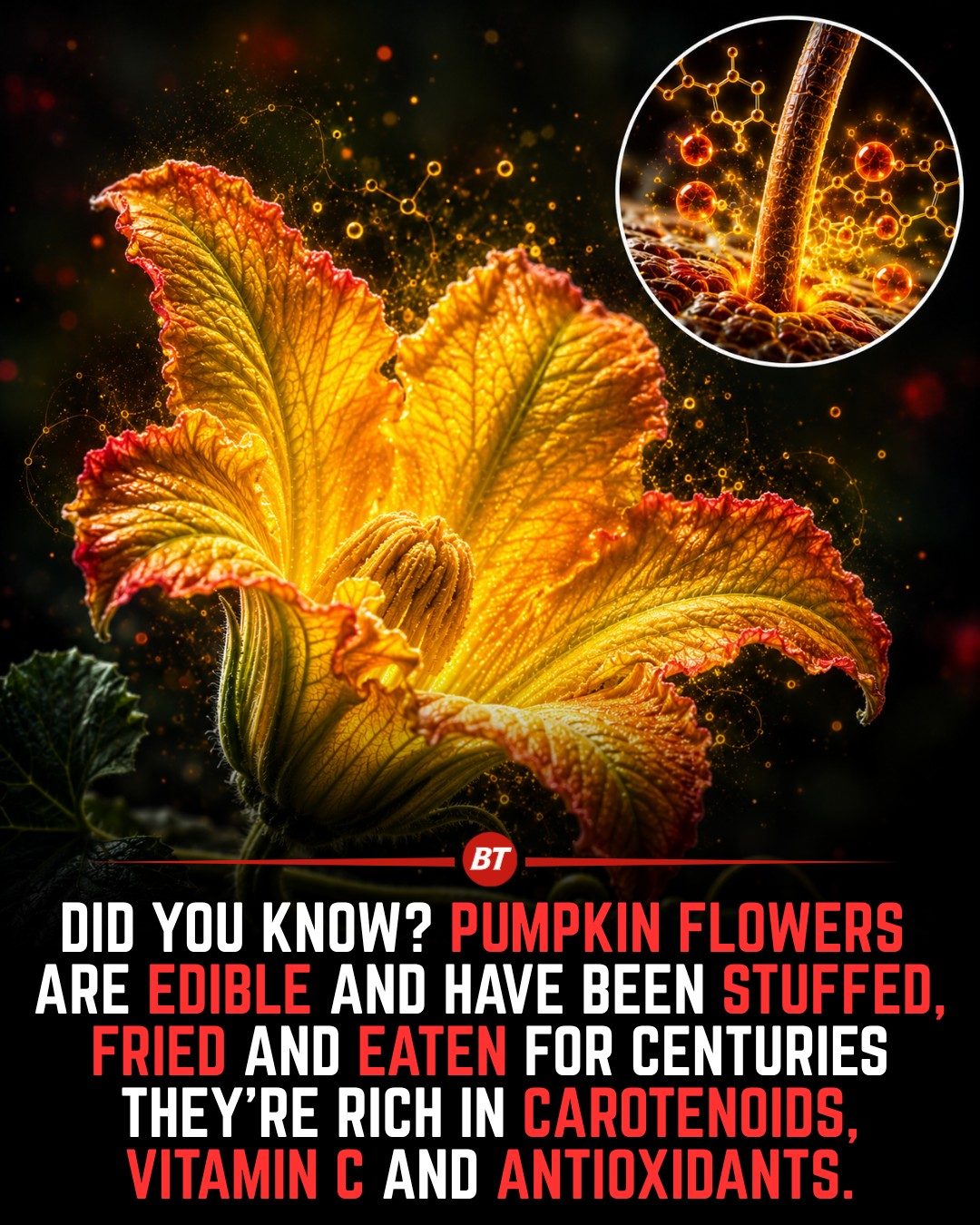
Pumpkin Flowers
Pumpkin flowers, while often overlooked, are a versatile and nutritious addition to various cuisines. These vibrant yellow blossoms have been a staple in Italian, Mexican, and Mediterranean dishes for centuries. Their delicate flavor and tender texture make them a prized ingredient in many culinary traditions.
Why This Matters
Pumpkin flowers are not just a delightful culinary ingredient; they also pack a nutritional punch. Rich in carotenoids, vitamin C, and antioxidants, these flowers offer a range of health benefits. Understanding their nutritional value and culinary uses can enhance both your cooking repertoire and your overall health.
Pumpkin Flowers in Cuisine
Historical and Cultural Significance
For centuries, pumpkin blossoms have been a prized ingredient in various cuisines. In Italian cuisine, they are often stuffed with cheese, herbs, and sometimes vegetables, then lightly fried or baked. Mexican cuisine features them in quesadillas and soups, adding a unique texture and flavor. In Mediterranean dishes, they are used in a variety of ways, from stuffed and baked to sliced and added to omelets, pasta, and salads.
Preparation and Cooking Methods
Pumpkin blossoms are extremely delicate and have a mild, slightly sweet flavor with a tender texture. Because they spoil quickly after harvesting, they are rarely found in supermarkets, making them a treasure in home gardens and farmers' markets. When preparing them, it's important to choose freshly picked flowers, gently rinse them, and remove the inner stamens.
Here are some common cooking methods:
- Stuffed and Fried: The most traditional method involves stuffing the flowers with a mixture of ricotta, herbs, or mozzarella, then lightly frying or baking them.
- Omelets and Soups: The blossoms can be sliced and added to omelets or soups for a colorful boost of nutrients.
- Pastas and Salads: They can also be added to pasta dishes and salads, providing both visual appeal and nutritional value.
Nutritional Benefits
Carotenoids and Vitamin A
Pumpkin flowers are rich in carotenoids, the orange and yellow pigments that your body can convert into vitamin A. Vitamin A is essential for healthy vision, immune function, and skin. This makes pumpkin flowers a valuable addition to a balanced diet.
Vitamin C and Antioxidants
These flowers also provide vitamin C, which supports collagen production and protects cells from oxidative stress. Researchers have identified a variety of flavonoids and phenolic antioxidants in pumpkin blossoms. These plant compounds help neutralize free radicals and are being studied for their potential role in supporting healthy aging and reducing chronic inflammation.
Practical Tips
Selecting and Storing
When selecting pumpkin flowers, look for bright, vibrant blossoms. They should be free of blemishes and have a fresh, slightly sweet aroma. Since they spoil quickly, it's best to use them the same day they are picked. Store them in the refrigerator, wrapped in a damp paper towel, until ready to use.
Cleaning and Prepping
To clean and prep pumpkin flowers:
- Gently rinse the blossoms under cold water.
- Remove the inner stamens and any insects or debris.
- Pat them dry with a paper towel.
Cooking Ideas
- Stuffed and Fried: Mix ricotta, herbs, and mozzarella. Stuff the blossoms, secure with toothpicks, and fry in a light batter.
- Pasta Dishes: Sauté the blossoms in olive oil with garlic and add to your favorite pasta dish.
- Soups and Stews: Add sliced blossoms to soups and stews for added texture and flavor.
Important Takeaways
Pumpkin flowers are a versatile and nutritious ingredient that can enhance a variety of dishes. Here are some key points to remember:
- They have been a prized ingredient in various cuisines for centuries.
- They are rich in carotenoids, vitamin C, and antioxidants.
- They can be prepared in multiple ways, from stuffed and fried to added to soups and salads.
- Choose freshly picked flowers and use them the same day for the best results.
Conclusion
Pumpkin flowers are a culinary delight that offers a range of health benefits. Their versatility in the kitchen, combined with their nutritional value, makes them an excellent addition to any diet. Whether you're stuffing and frying them or adding them to soups and salads, pumpkin blossoms can add a unique flavor and nutritional boost to your meals.
Watch the Reel
Questions readers ask
What are the key nutrients found in pumpkin flowers?
Pumpkin flowers are rich in carotenoids, which support eye health, and vitamin C, which boosts the immune system. They also contain antioxidants that help fight inflammation and oxidative stress.
How can I incorporate pumpkin flowers into my meals?
Pumpkin flowers can be used in a variety of dishes. In Italian cuisine, they are often battered and fried, while in Mexican cuisine, they are used in soups and tacos. You can also sauté them with garlic, add them to salads, or use them as a garnish for pizzas and pasta.
What are the benefits of adding pumpkin flowers to my diet?
Including pumpkin flowers in your diet can provide numerous health benefits. Their antioxidants and vitamin C can support your immune system, and the carotenoids contribute to better eye health.
Are there any cultural or historical significances to pumpkin flowers?
Pumpkin flowers have been a part of various culinary traditions for centuries. They are particularly notable in Italian, Mexican, and Mediterranean cuisines, where they are used in traditional recipes and dishes.
What are some popular recipes using pumpkin flowers?
Some popular recipes include fried pumpkin blossoms, a traditional Italian dish, and sopa de flor de calabaza, a Mexican soup. Other dishes such as pumpkin flower tacos, or squash blossom pancakes, are also popular.
Can pumpkin flowers be eaten raw or do they need to be cooked?
Pumpkin flowers can be eaten raw or cooked. When eaten raw, they can be added to salads for a mild, slightly sweet flavor. However, cooking methods like sautéing, frying, or baking bring out their best texture and flavor.
How do I select and store pumpkin flowers for cooking?
When selecting pumpkin flowers, choose vibrant, fresh-looking blossoms. For storage, keep them in the refrigerator, wrapped in a damp paper towel or cloth, for up to a day or two. If you need to store them longer, it is recommended to dry or freeze them for extended use.
Related deep dives
Similar reads based on topic and creator.




Recent articles
Fresh deep dives from the latest Reels we unpacked.




Comments
Be the first to comment.