CNC Machining: Precision and Power in Metalworking
CNC (Computer Numerical Control) machining revolutionizes how we create precise components, especially when it comes to making threads for screws and bolts. This process involves the use of automated machinery controlled by computers, ensuring unmatched accuracy and efficiency.
Why CNC Machining Matters
CNC machining is critical in various industries, from aerospace to automotive, where precision and consistency are non-negotiable. Whether creating intricate parts for an aircraft or producing high-volume automotive components, CNC machines ensure that each piece meets exact specifications. The ability to make complex shapes and threads with high precision without human intervention makes CNC machining indispensable in modern manufacturing.
The Process of CNC Thread Rolling
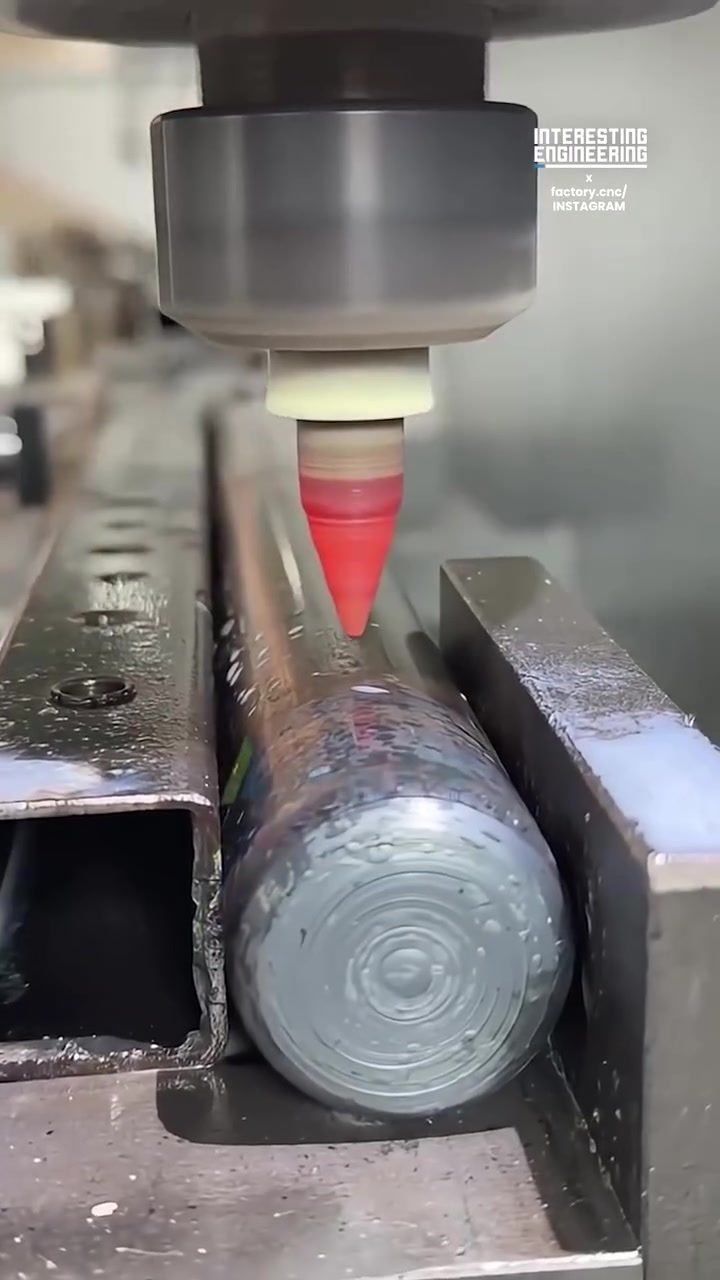
Thread rolling is a key process in CNC machining that transforms metal rods into components with strong, precise threads. The process involves frictionally heating the metal and using high-pressure tooling to plastically deform the surface. This method creates strong, precise threads without the need for cutting.
Frictional Heat and Plastic Deformation
The frictional heat generated during the process softens the metal, making it easier to deform. High-pressure tooling then applies force to the surface of the rod, causing it to flow into the desired shape. This plastic deformation ensures that the threads have superior strength and durability. Unlike traditional cutting methods, thread rolling doesn't remove material; it reshapes it, aligning the material's grain flow for enhanced performance.
Enhanced Strength and Durability
The method ensures that the threads are strong and durable. By avoiding the removal of material, the process maintains the integrity of the metal, resulting in a component that can withstand significant stress and wear. This makes CNC thread rolling ideal for applications where the threads need to endure heavy loads and high stress.
Types of CNC Machining
Beyond thread rolling, CNC machining encompasses various processes, each tailored to specific manufacturing needs:
CNC Milling
CNC milling is one of the most versatile machining processes. It involves using a rotating cutting tool to remove material from a workpiece, creating complex shapes and features. The machine's precision allows for the creation of intricate designs that would be impossible with manual methods. It's perfect for making parts like gears, turbines, and other components that require high precision and surface finish.
CNC Turning
CNC turning, also known as CNC lathing, involves rotating a workpiece while a stationary cutting tool removes material. This process is ideal for creating cylindrical parts with precise diameters and surface finishes. Common applications include shafts, pins, and bushings.
Practical Tips for CNC Machining
Effective CNC machining requires careful planning and execution. Here are some essential tips to ensure optimal results:
Choose the Right Tooling
The choice of cutting tools is crucial in achieving the desired outcome. Consider the material's hardness and the required precision when selecting your tools. Using high-quality, precision-ground tools can significantly improve the finish and accuracy of the machined parts.
Use Coolant Efficiently
Coolant plays a vital role in maintaining tool and workpiece temperatures. Using the right type and quantity of coolant can prevent overheating, extend tool life, and ensure the workpiece remains stable. Apply coolant regularly, especially during high-speed operations, to maintain optimal machining conditions.
Optimize Programming
Efficient programming is essential for maximizing the capabilities of CNC machines. Use CAD/CAM software to design complex parts and generate precise machine code. Ensure that the program accounts for all necessary adjustments, such as tool wear and material variations, to achieve consistent results.
Regular Maintenance
Regular maintenance is crucial for keeping CNC machines in top condition. Clean and lubricate moving parts, check for tool wear, and replace worn components promptly. Regular calibration ensures that the machine operates at peak performance, maintaining the accuracy and precision of your parts.
Maintenance Checklist
- Cleaning: Regularly clean the machine to remove debris and coolant buildup.
- Lubrication: Lubricate moving parts to reduce friction and wear.
- Tool Inspection: Inspect tools for signs of wear and replace them as needed.
- Calibration: Calibrate the machine regularly to ensure it operates within specified tolerances.
Important Takeaways
CNC machining is a cornerstone of modern manufacturing, offering unparalleled precision and consistency. Whether it's creating intricate threads, milling complex shapes, or turning cylindrical parts, CNC technology ensures that each component meets exact specifications. To achieve the best results, focus on selecting the right tooling, using coolant effectively, optimizing programming, and maintaining the machine regularly.
Conclusion
From precise thread rolling to versatile milling and turning, CNC machining is the backbone of many manufacturing processes. By leveraging the power of automation and precision, manufacturers can create high-quality components that meet the demands of various industries. Adopting best practices in tooling, coolant usage, programming, and maintenance will ensure that your CNC machining processes are efficient and reliable, delivering consistent, high-quality results.
Watch the Reel
Questions readers ask
What makes CNC thread rolling different from traditional thread cutting?
CNC thread rolling uses pressure and frictional heat to deform metal, creating threads, while traditional thread cutting removes material. This results in stronger, more durable threads with less waste.
What are the primary benefits of using CNC thread rolling for screws and bolts?
CNC thread rolling offers high precision, efficiency, and consistency. It's particularly useful for industries that demand exact specifications, such as aerospace and automotive, as it ensures each component meets required standards.
How does the use of frictional heat enhance the CNC thread rolling process?
Frictional heat helps to soften the metal, making it more malleable during the rolling process. This allows for better thread formation and increases the overall strength and durability of the threads created.
Can CNC thread rolling be used for materials other than metal?
While CNC thread rolling is primarily used for metalworking, it can be adapted for other ductile materials. However, the process is most effective and commonly used with metals due to their malleability and strength under high pressure.
What types of industries benefit most from CNC thread rolling?
Industries that require high-precision, reliable components benefit most from CNC thread rolling. This includes aerospace, automotive, and manufacturing sectors where exact specifications and durability are crucial.
How does a CNC thread rolling machine ensure accuracy?
A CNC thread rolling machine uses automated, computer-controlled processes to ensure each thread is rolled with consistent pressure and at precise angles, resulting in threads that are uniform and meet exact specifications.
Related deep dives
Similar reads based on topic and creator.

Recent articles
Fresh deep dives from the latest Reels we unpacked.




Comments
Be the first to comment.