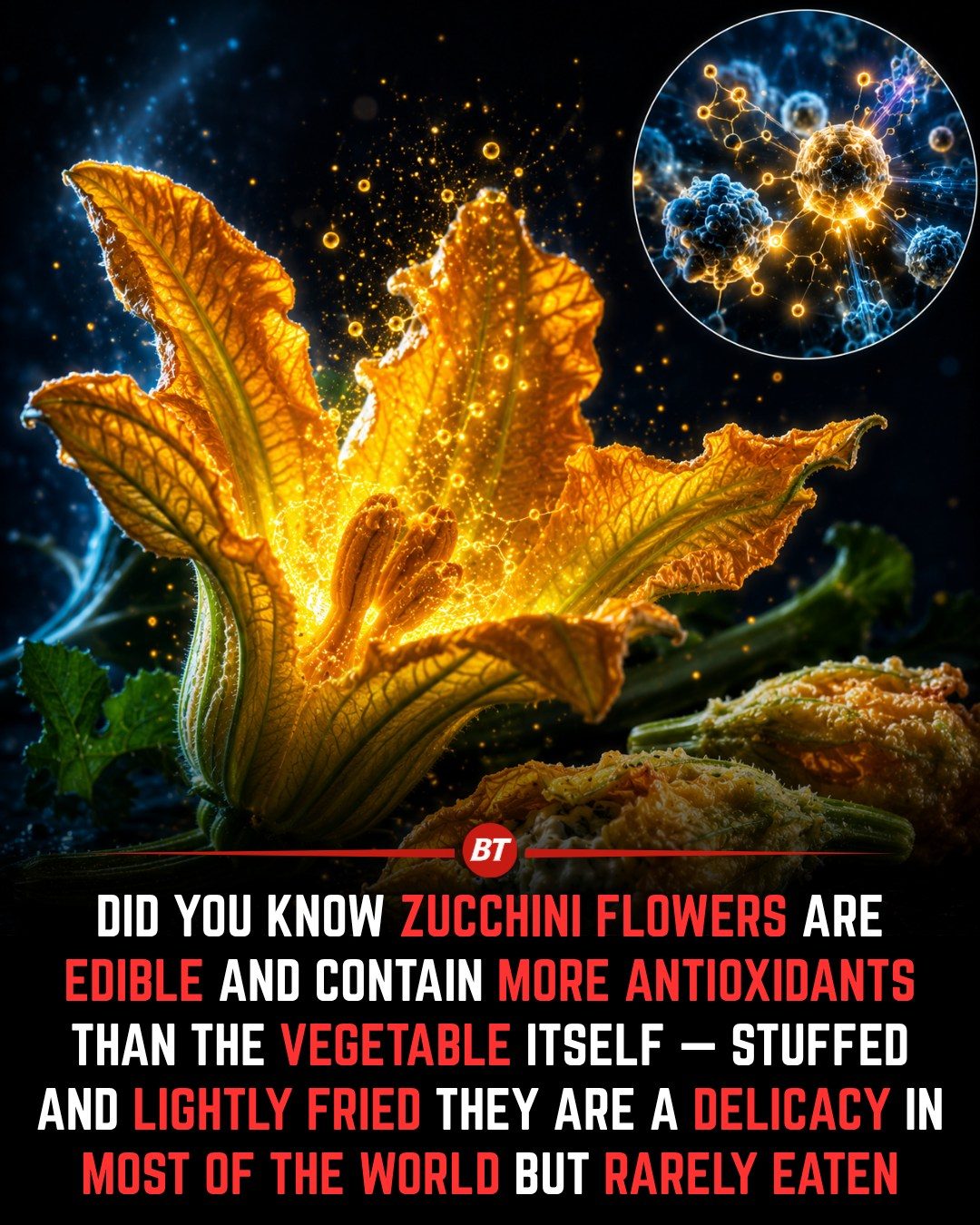
Zucchini Flowers: The Hidden Culinary Treasure
Zucchini flowers are a lesser-known culinary gem, often overshadowed by the vegetable itself. These delicate, vibrant yellow blossoms are not only edible but also packed with nutrients and antioxidants. They have been a staple in various cuisines around the world for centuries, yet many people remain unaware of their culinary and nutritional benefits.
Why Zucchini Flowers Matter
Zucchini flowers are more than just a pretty addition to a garden; they are a nutritional powerhouse. These flowers contain higher concentrations of antioxidants than the zucchini vegetable itself. Specifically, they are rich in carotenoids, flavonoids, and vitamin C, which help protect cells from oxidative stress. Flowers, being responsible for plant reproduction, contain high levels of protective phytochemicals. Additionally, zucchini flowers are low in calories and provide essential pigments like beta-carotene, lutein, and zeaxanthin, which support eye health and defend tissues against free radical damage.
The Culinary Versatility of Zucchini Flowers
Historical and Cultural Significance
Zucchini flowers have been enjoyed in Mediterranean, Latin American, and Asian cuisines for centuries. These blossoms are considered a seasonal delicacy in many parts of the world, often served stuffed with soft cheeses or herbs, dipped in a light batter, and quickly pan-fried or baked. Their mild, slightly sweet flavor makes them a versatile ingredient in various dishes.
Preparation and Cooking Techniques
Preparing zucchini flowers requires a gentle touch. Fresh blossoms that are bright yellow and just opened are the best for cooking. Gently rinse them and remove the inner stamen before stuffing with your choice of filling. Ricotta, goat cheese, or a mix of herbs are popular choices. After stuffing, lightly pan-fry or bake the flowers until they are crispy and golden. This cooking method ensures that the delicate flavor of the blossoms is preserved while adding a satisfying crunch.
Nutritional Benefits
The nutritional profile of zucchini flowers makes them a valuable addition to any diet. They are packed with antioxidants, which are crucial for maintaining overall health. The high concentration of protective phytochemicals in these flowers helps in reducing the risk of various diseases. Additionally, their low-calorie content and rich pigment profile support eye health and provide a range of other health benefits.
Availability and Seasonality
One of the reasons zucchini flowers are not as commonly seen in supermarkets is their short shelf life. These blossoms wilt within a day or two after being picked, making them a rare find. However, they are often available at local farmers' markets and home gardens during the summer growing season. Their seasonal availability adds to their culinary allure, making them a highly sought-after ingredient during their peak season.
Practical Tips for Cooking with Zucchini Flowers
Selecting the Right Blossoms
When choosing zucchini flowers, opt for those that are bright yellow and just opened. Avoid any that are wilted or discolored. Freshness is key, as the flavor and texture of the blossoms degrade quickly.
Cleaning and Preparing
Gently rinse the blossoms under cold water and pat them dry. Remove the inner stamen carefully to avoid tearing the delicate petals. This step is crucial for ensuring a clean and enjoyable eating experience.
Stuffing and Cooking
Stuff the blossoms with your preferred filling, such as a mixture of ricotta and herbs. Dip them in a light batter made from flour, water, and a pinch of salt. Pan-fry or bake until golden and crispy. The key is to cook them quickly to retain their delicate flavor and texture.
Important Takeaways
Zucchini flowers are a hidden gem in the culinary world, offering a range of nutritional and flavor benefits. Their high antioxidant content, low-calorie profile, and rich pigment make them a valuable addition to any diet. Whether you're a seasoned chef or a home cook, incorporating zucchini flowers into your meals can add a unique and delicious twist to your dishes.
Conclusion
Zucchini flowers are more than just a decorative addition to the garden; they are a culinary and nutritional treasure. From their historical significance in various cuisines to their versatile cooking methods, these blossoms offer a world of possibilities. By appreciating and incorporating zucchini flowers into your meals, you can enjoy a delicious and nutritious ingredient that has been cherished for centuries.
Watch the Reel
Questions readers ask
What are the primary nutritional benefits of zucchini flowers?
Zucchini flowers are rich in antioxidants, including carotenoids and flavonoids, as well as vitamin C. These nutrients help protect cells from damage and support overall health. They are also a low-calorie food, making them an excellent addition to a balanced diet.
How can zucchini flowers be prepared and used in cooking?
Zucchini flowers are incredibly versatile in the kitchen. They can be stuffed with various fillings, such as cheese, herbs, or meats, and then baked or fried. Additionally, they can be used in salads, soups, or as a delicate garnish for other dishes. Fried zucchini blossoms are a popular dish in many cultures, offering a crispy, savory treat.
Are there different types of zucchini flowers?
Zucchini flowers can be either male or female, and both are edible. Male flowers grow on a long stem and do not produce zucchinis, while female flowers have a small zucchini at the base. The male flowers are often preferred for cooking due to their longer stems, but both types offer similar nutritional benefits.
Related deep dives
Similar reads based on topic and creator.




Recent articles
Fresh deep dives from the latest Reels we unpacked.




Comments
Be the first to comment.