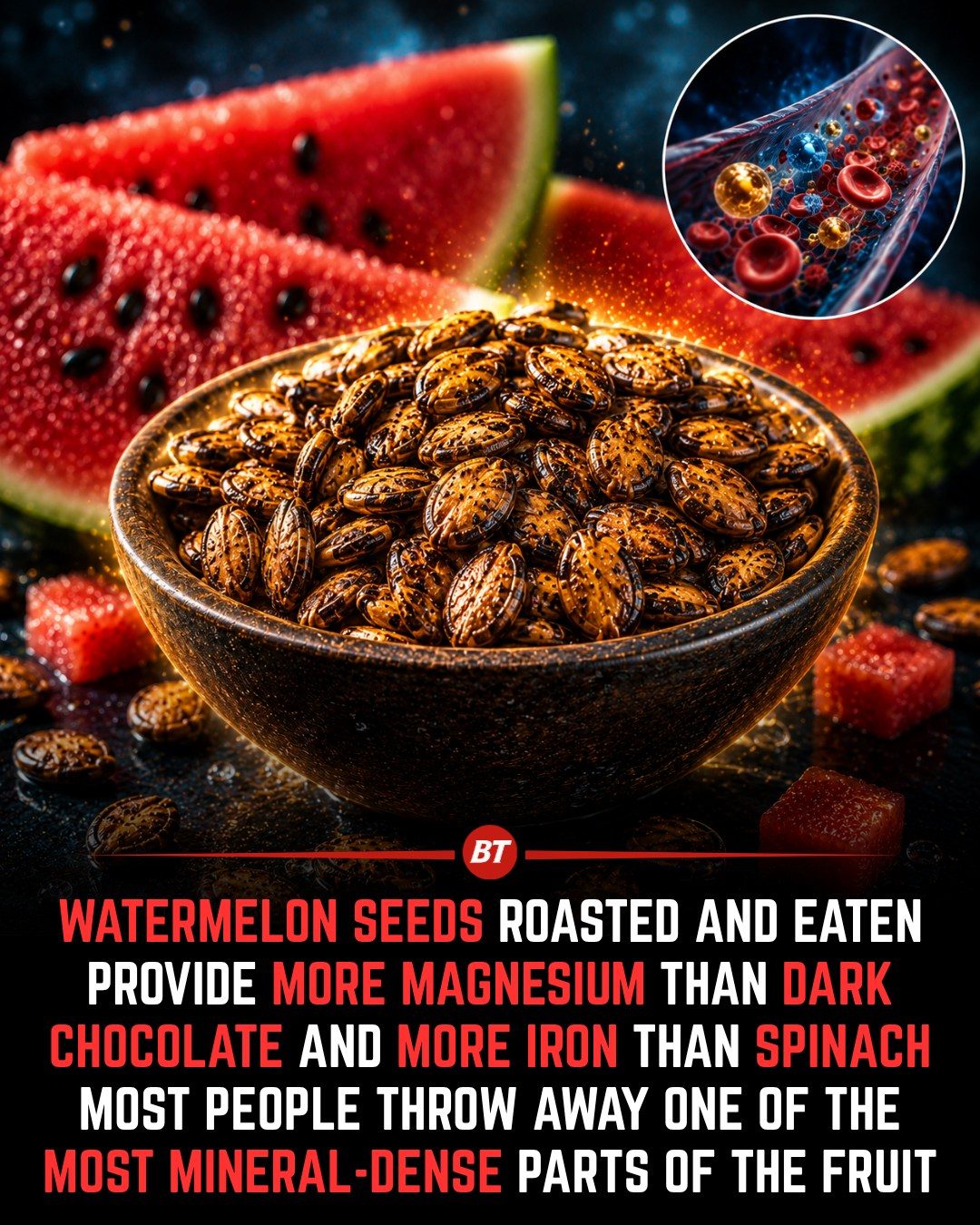
Watermelon Seeds: A Nutrient-Packed Snack
Watermelon seeds, often discarded or spat out, are actually a powerhouse of essential minerals and nutrients. Roasting these seeds transforms them into a crunchy, mineral-rich snack that offers a range of health benefits. Let's delve into the nutritional value and practical uses of this often-overlooked part of the watermelon.
Context
The humble watermelon, a summer staple, is typically enjoyed for its juicy, sweet flesh. However, the seeds, which many people discard, are one of the most nutrient-dense parts of the fruit. Roasting watermelon seeds not only makes them a delicious snack but also enhances their nutritional benefits. Most people are unaware of the nutritional value that these seeds bring to the table. This is why it is important to consider them as a healthy addition to a balanced diet.
Main Discussion
Nutritional Benefits
Watermelon seeds are packed with essential minerals and nutrients. Here’s a closer look at what they offer:
Magnesium
One of the standout nutrients in watermelon seeds is magnesium. Magnesium is crucial for various bodily functions, including muscle and nerve function, maintaining a healthy heartbeat, regulating blood pressure, and supporting energy production. A small handful of roasted watermelon seeds provides a substantial amount of this vital mineral, making it an excellent source to help meet the recommended daily intake.
Iron
Watermelon seeds are also rich in iron, which is essential for producing hemoglobin in red blood cells, responsible for carrying oxygen throughout the body. This makes them a valuable addition to a diet, especially for those who need to boost their iron intake. Compared to leafy greens such as spinach, watermelon seeds offer a higher concentration of iron, making them an efficient source of this mineral.
Plant Protein and Healthy Fats
In addition to minerals, watermelon seeds are a good source of plant protein and healthy fats. These nutrients are essential for muscle repair, healthy skin, and overall bodily functions. They provide a balance of nutrients that contribute to a well-rounded diet, making them a great addition to any diet.
Mineral Content
Watermelon seeds contain a rich profile of essential minerals. Magnesium, iron, zinc, and phosphorus are some of the key components. These minerals play crucial roles in various bodily functions, from muscle and nerve activity to immune function and energy production. This makes them an ideal snack for those looking to boost their mineral intake.
Practical Tips
Roasting Watermelon Seeds
Roasting watermelon seeds is a simple process that enhances their flavor and nutritional value. Here’s how to do it:
- Rinse and Dry: Start by rinsing the seeds to remove any pulp or dirt. Pat them dry with a paper towel to remove excess moisture.
- Preheat the Oven: Preheat your oven to 325°F (160°C).
- Roast: Spread the seeds evenly on a baking sheet lined with parchment paper. Roast them in the oven for 15–20 minutes, or until they are crisp and golden.
- Season: Once cooled, you can season them with a pinch of salt, garlic powder, or any other spices you prefer. Alternatively, enjoy them plain for a simple, mineral-rich snack.
Incorporating into Your Diet
Snacking
Roasted watermelon seeds make an excellent snack. They are crunchy, satisfying, and packed with nutrients. You can enjoy them as a standalone snack or mix them with other nuts and seeds for a trail mix.
Adding to Dishes
For those who like to get creative, watermelon seeds can be incorporated into various dishes. Sprinkle them on salads, soups, or stews for added texture and nutritional value. Additionally, they can be blended into smoothies or used as a topping for yogurt or oatmeal.
Important Takeaways
Watermelon seeds are a nutritional powerhouse that many people overlook. They are rich in magnesium, iron, zinc, and other essential minerals, making them a valuable addition to any diet. Roasting the seeds enhances their flavor and nutrient availability, turning them into a delicious and healthy snack.
Conclusion
Next time you enjoy a watermelon, consider saving the seeds and roasting them for a nutritious snack. Whether enjoyed plain or seasoned, these seeds offer a wealth of health benefits. By incorporating roasted watermelon seeds into your diet, you can boost your intake of essential minerals and enhance your overall nutritional profile.
Watch the Reel
Questions readers ask
What are the primary nutritional benefits of roasted watermelon seeds?
Roasted watermelon seeds are packed with essential minerals like magnesium, which supports muscle and nerve function, and iron, which aids in oxygen transport. They also contain other beneficial nutrients such as vitamin B, protein, and healthy fats, making them a nutritious addition to your diet.
How do roasted watermelon seeds support overall health?
Incorporating roasted watermelon seeds into your diet can support various bodily functions. Magnesium helps regulate blood pressure and blood sugar levels, while iron is crucial for maintaining healthy red blood cells. They also provide a good source of plant-based protein and healthy fats, promoting overall well-being.
What is the best way to incorporate roasted watermelon seeds into my diet?
Roasted watermelon seeds can be enjoyed in various ways. You can snack on them as is, sprinkle them over salads, or add them to oatmeal and baked goods. You can also incorporate them into trail mixes, granola, or use them for a crunchy topping on soups and yogurt.
Are roasted watermelon seeds suitable for those with dietary restrictions?
Roasted watermelon seeds are a good option for those with dietary restrictions. They are naturally gluten-free, making them suitable for individuals with celiac disease or gluten sensitivity. Additionally, they are a good source of plant-based protein, beneficial for vegetarians and vegans.
Can roasted watermelon seeds help with specific health conditions?
The magnesium in roasted watermelon seeds can help manage conditions like hypertension and type 2 diabetes. The iron content can help prevent and treat iron-deficiency anemia. However, it is always best to consult with a healthcare provider for personalized advice.
What are the potential drawbacks of consuming roasted watermelon seeds?
While roasted watermelon seeds are nutritious, consuming them in large quantities can lead to excess calorie intake due to their fat content. Additionally, those with kidney stones or other kidney issues should consume them in moderation, as they are high in oxalates, which can exacerbate kidney problems.
How can I roast watermelon seeds at home for a healthy snack?
To roast watermelon seeds at home, first rinse and dry them. Toss the seeds in a bit of oil and your choice of seasoning, such as salt. Spread them evenly on a baking sheet and roast in the oven at 300°F (150°C) for about 15-20 minutes, or until golden brown. Allow them to cool before enjoying.
Related deep dives
Similar reads based on topic and creator.




Recent articles
Fresh deep dives from the latest Reels we unpacked.




Comments
Be the first to comment.