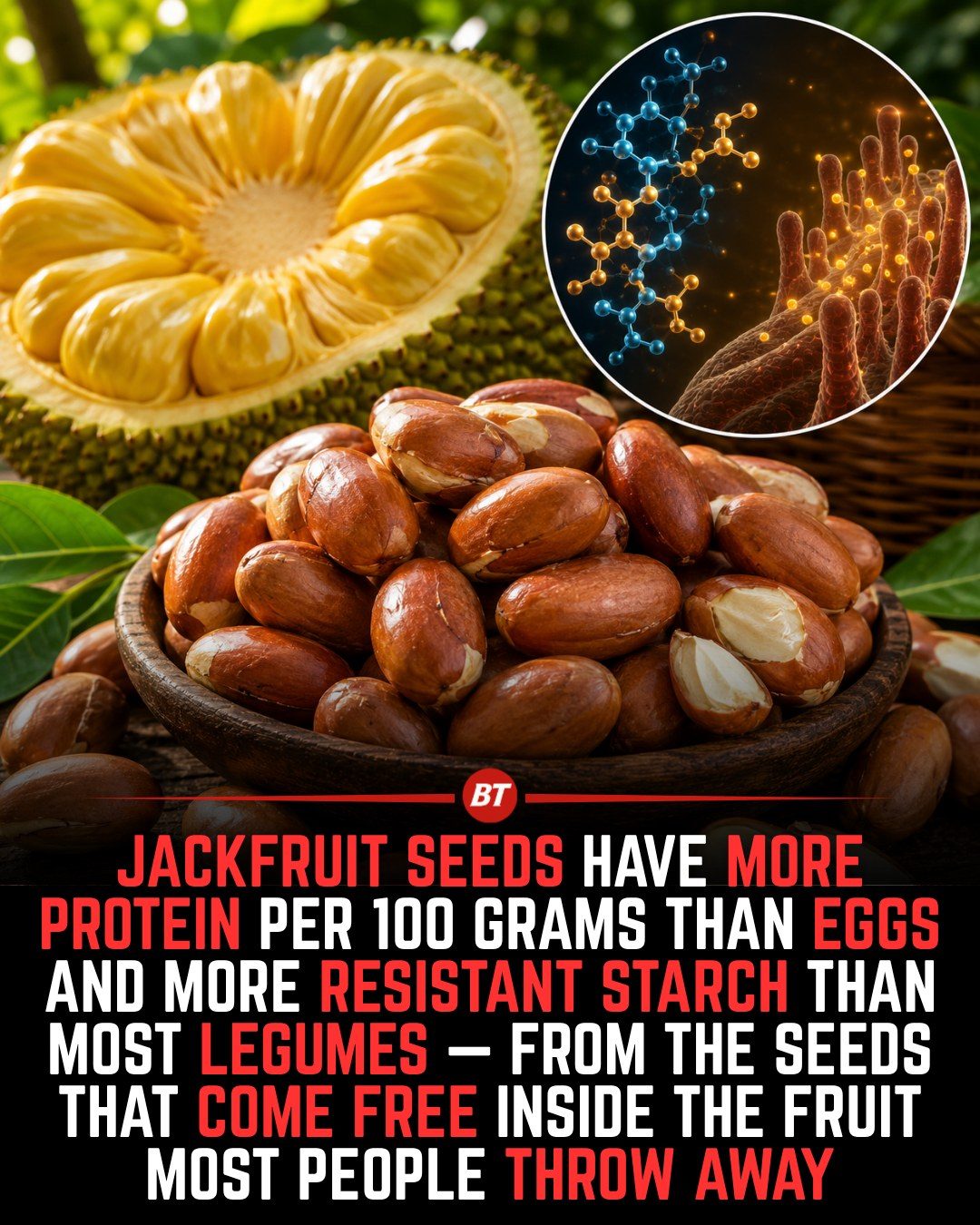
Jackfruit Seeds: The Often Discarded Nutritional Powerhouse
Jackfruit seeds, often overlooked and discarded, are a nutritional treasure trove that many people overlook. While the sweet yellow flesh of the jackfruit is typically the star of the show, the seeds hidden inside are packed with a myriad of nutrients that make them one of the most underrated edible seeds in the tropical world.
Why This Matters
The nutritional benefits of jackfruit seeds are significant. They are an excellent source of plant protein, resistant starch, fiber, potassium, magnesium, and antioxidants. These nutrients make jackfruit seeds a valuable addition to any diet, rather than a waste product.
In many cultures, especially in Asia, Africa, and South America, jackfruit seeds are traditionally boiled, roasted, or ground into flour for use in various dishes. The seeds are not only nutritious but also versatile, adding flavor and texture to a wide range of recipes.
Main Discussion
The Nutritional Profile of Jackfruit Seeds
Jackfruit seeds contain significant amounts of resistant starch, a special type of carbohydrate that resists digestion in the small intestine and instead feeds beneficial gut bacteria in the colon. This process produces compounds that support digestive health, blood sugar regulation, and overall metabolic function.
Researchers have found that jackfruit seeds have more protein per 100 grams than eggs, and more resistant starch than most legumes. This makes them an exceptional source of protein and other essential nutrients.
Resistant Starch: A Key Benefit
Resistant starch is a type of carbohydrate that behaves like dietary fiber in the body. It resists digestion in the small intestine and passes into the colon, where it feeds beneficial gut bacteria. This process produces short-chain fatty acids, which support digestive health, blood sugar regulation, and overall metabolic function.
Jackfruit seeds are a rich source of resistant starch, making them an excellent addition to a balanced diet. Resistant starch can improve insulin sensitivity, reduce the risk of type 2 diabetes, and support weight management.
Protein and Minerals
Jackfruit seeds are an excellent source of plant protein, making them a valuable addition to vegetarian and vegan diets. Protein is essential for building and repairing tissues, producing enzymes and hormones, and supporting immune function.
In addition to protein, jackfruit seeds are rich in minerals such as potassium, magnesium, and manganese. These minerals play a crucial role in various bodily functions, including nerve and muscle function, blood pressure regulation, and bone health.
Versatile Culinary Uses
Jackfruit seeds can be prepared in various ways, making them a versatile ingredient in the kitchen. They can be boiled, roasted, or ground into flour for use in a variety of dishes.
When boiled, jackfruit seeds have a soft, creamy texture that can be added to soups, stews, and curries. Roasted jackfruit seeds have a nutty flavor often compared to chestnuts or potatoes, making them an excellent high-fiber side dish or snack. Ground jackfruit seed flour can be used as a gluten-free alternative in baking and cooking.
Practical Tips
How to Prepare Jackfruit Seeds
- Washing: Start by washing the seeds thoroughly to remove any dirt or residue.
- Boiling: Boil the seeds for 20–30 minutes. This softens the seeds and makes them easier to digest. Boiled seeds can be added to soups, stews, and curries.
- Roasting: For a nutty flavor, roast the seeds in the oven or on the stovetop. Roasted seeds can be enjoyed as a snack or added to salads and side dishes.
- Grinding: For a gluten-free flour alternative, dry the seeds and grind them into a fine powder. Jackfruit seed flour can be used in baking and cooking to add nutrients and a slight nutty flavor.
Storage Tips
Once prepared, jackfruit seeds can be stored in the refrigerator for up to a week or in the freezer for up to three months. This makes them a convenient addition to meals and snacks throughout the week.
Important Takeaways
Jackfruit seeds are a nutritional powerhouse that is often discarded but is packed with essential nutrients. They are an excellent source of plant protein, resistant starch, fiber, and minerals, making them a valuable addition to any diet. Additionally, jackfruit seeds are versatile and can be prepared in various ways, adding flavor and texture to a wide range of dishes.
In many cultures, jackfruit seeds are traditionally used in cooking and baking, highlighting their culinary versatility and nutritional benefits. By incorporating jackfruit seeds into your diet, you can enhance your nutritional intake and enjoy a delicious, healthy addition to your meals.
Conclusion
Jackfruit seeds are a valuable and often discarded part of the jackfruit that deserves more attention. Their high nutritional content and versatility in the kitchen make them an excellent addition to any diet. By boiling, roasting, or grinding jackfruit seeds, you can enjoy a variety of flavors and textures while reaping the nutritional benefits.
Whether you add them to soups, stews, or side dishes, or enjoy them as a snack, jackfruit seeds are a nutritious and delicious way to enhance your meals. So next time you encounter a jackfruit, consider saving the seeds and giving them a try.
Watch the Reel
Questions readers ask
What are the primary nutritional benefits of jackfruit seeds?
Jackfruit seeds are rich in plant protein, making them an excellent choice for vegetarians and vegans. They also contain significant amounts of resistant starch, which aids in digestion, and fiber, which supports gut health. Additionally, jackfruit seeds are a good source of essential minerals like potassium and magnesium, as well as antioxidants that help combat inflammation.
How can I incorporate jackfruit seeds into my meals?
Jackfruit seeds can be prepared in various ways. You can boil them for a simple side dish, or roast them for a crunchy snack. They can also be ground into a flour for baking, or added to stews and curries for extra protein and thickness. The seeds can be used as a meat substitute in vegan and vegetarian dishes.
What are the health benefits of consuming jackfruit seeds?
Consuming jackfruit seeds can support overall health in several ways. Their high protein and fiber content can help maintain a healthy weight and improve digestive health. The antioxidants in jackfruit seeds can reduce inflammation, while the potassium and magnesium content can support heart health and blood pressure regulation.
How do you prepare boiled jackfruit seeds?
To prepare boiled jackfruit seeds, first peel the outer hard shell and the thin inner skin. Rinse the seeds and place them in a pot with enough water to cover them. Boil for 10-15 minutes or until the seeds are tender. You can add seasonings like salt, pepper, or spices during the boiling process for added flavor. Drain the water and serve as a side dish or add to your favorite recipes.
Can jackfruit seeds be roasted for a snack?
Yes, jackfruit seeds can be roasted for a delicious and nutritious snack. First, clean and dry the seeds. You can then roast them in the oven at 375°F (190°C) for 15-20 minutes, turning them occasionally. To enhance the flavor, you can toss the seeds with a bit of oil, salt, and your choice of seasonings before roasting.
Are jackfruit seeds a good source of resistant starch?
Yes, jackfruit seeds are a good source of resistant starch, a type of starch that resists digestion in the small intestine and acts more like fiber. Resistant starch can support digestive health, promote feelings of fullness, and help stabilize blood sugar levels. By incorporating jackfruit seeds into your diet, you can increase your intake of this beneficial carbohydrate.
What are some traditional uses of jackfruit seeds in various cultures?
In many cultures, jackfruit seeds are used in a variety of dishes. In Asia, Africa, and South America, they are often boiled, roasted, or ground into flour. Roasted jackfruit seeds are enjoyed as a snack in some countries, while in others, they are added to stews, curries, and even desserts. Ground jackfruit seed flour can be used to make bread, pancakes, and other baked goods, adding a unique flavor and nutritional boost.
Related deep dives
Similar reads based on topic and creator.




Recent articles
Fresh deep dives from the latest Reels we unpacked.




Comments
Be the first to comment.